
In 2026, Web3 airdrops face a persistent challenge: distinguishing genuine users from bots and Sybil attackers. Traditional methods like wallet snapshots or simple captchas fall short, often leading to unfair distributions and eroded trust. ZK credentials for proof-of-humanity offer a breakthrough, allowing projects to verify unique human participation without exposing personal data. This privacy-first approach, powered by zero-knowledge proofs, ensures proof of humanity web3 airdrops remain equitable and secure, aligning perfectly with the decentralized ethos.

Projects like Humanity Protocol have pioneered this space, launching their mainnet with zkTLS technology. Users can now prove attributes from Web2 sources, such as frequent-flyer accounts, linking them to a portable Human ID. No raw biometrics or images are stored; instead, compact proofs confirm uniqueness. Their $H token debuted via the first Fairdrop, a Sybil-resistant mechanism that rewarded early adopters without compromising anonymity.
Sybil Attacks and Why Privacy Matters in Airdrops
Sybil attacks, where one entity controls multiple identities, have plagued airdrops since the early days of UNI and ENS distributions. In 2026, with Ethereum validators set to verify small ZK proofs on Layer-1 for up to 10,000 TPS, scalability no longer excuses lax verification. Yet privacy remains paramount. Revealing KYC data or biometrics invites surveillance, clashing with Web3's core promise of sovereignty.
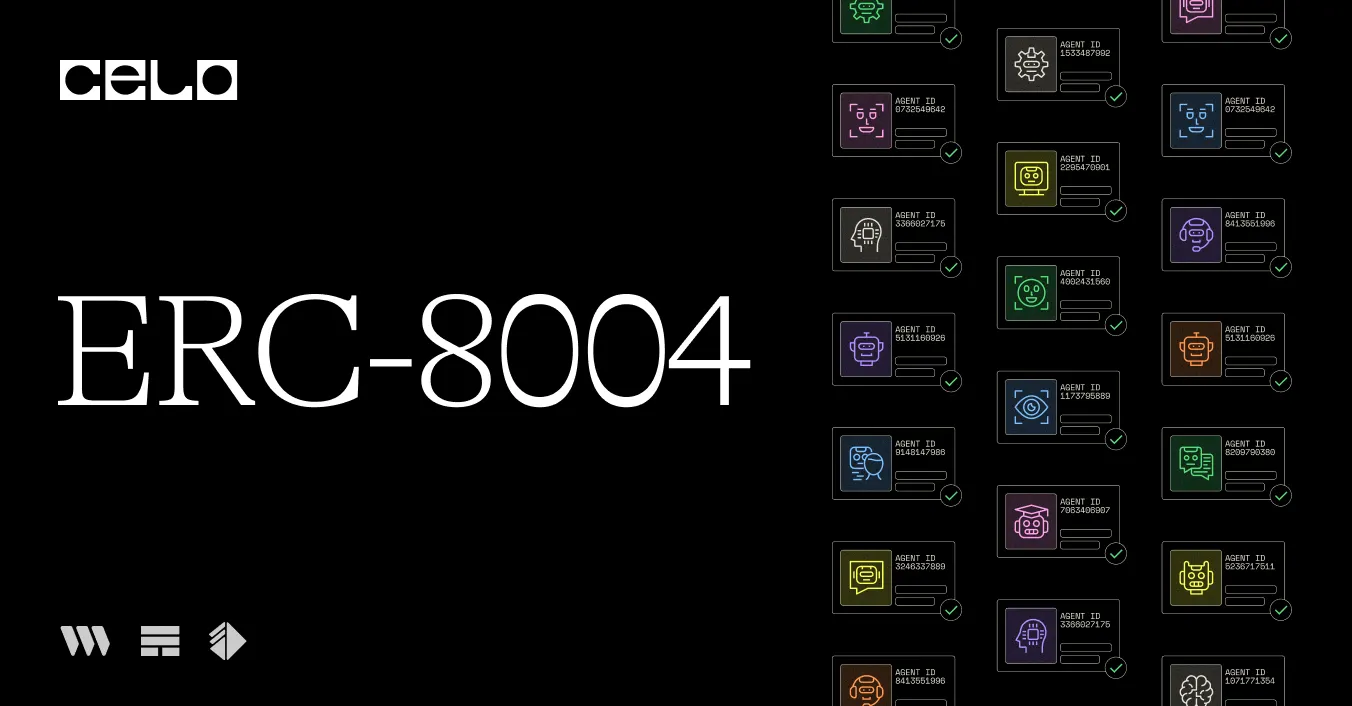
ZK identity web3 solutions flip this script. Protocols like Proof of Humanity and zkMe generate credentials that attest to humanness - via palm scans, government IDs, or social graphs - without disclosure. Self Protocol's ZK proof-of-humanity on Celo Sepolia testnet demonstrates practical integration, while RISC Zero's zk-STARKs platform enables verifiable computations for custom airdrop logic.
Core Mechanics of ZK Credentials for Humanity Proofs
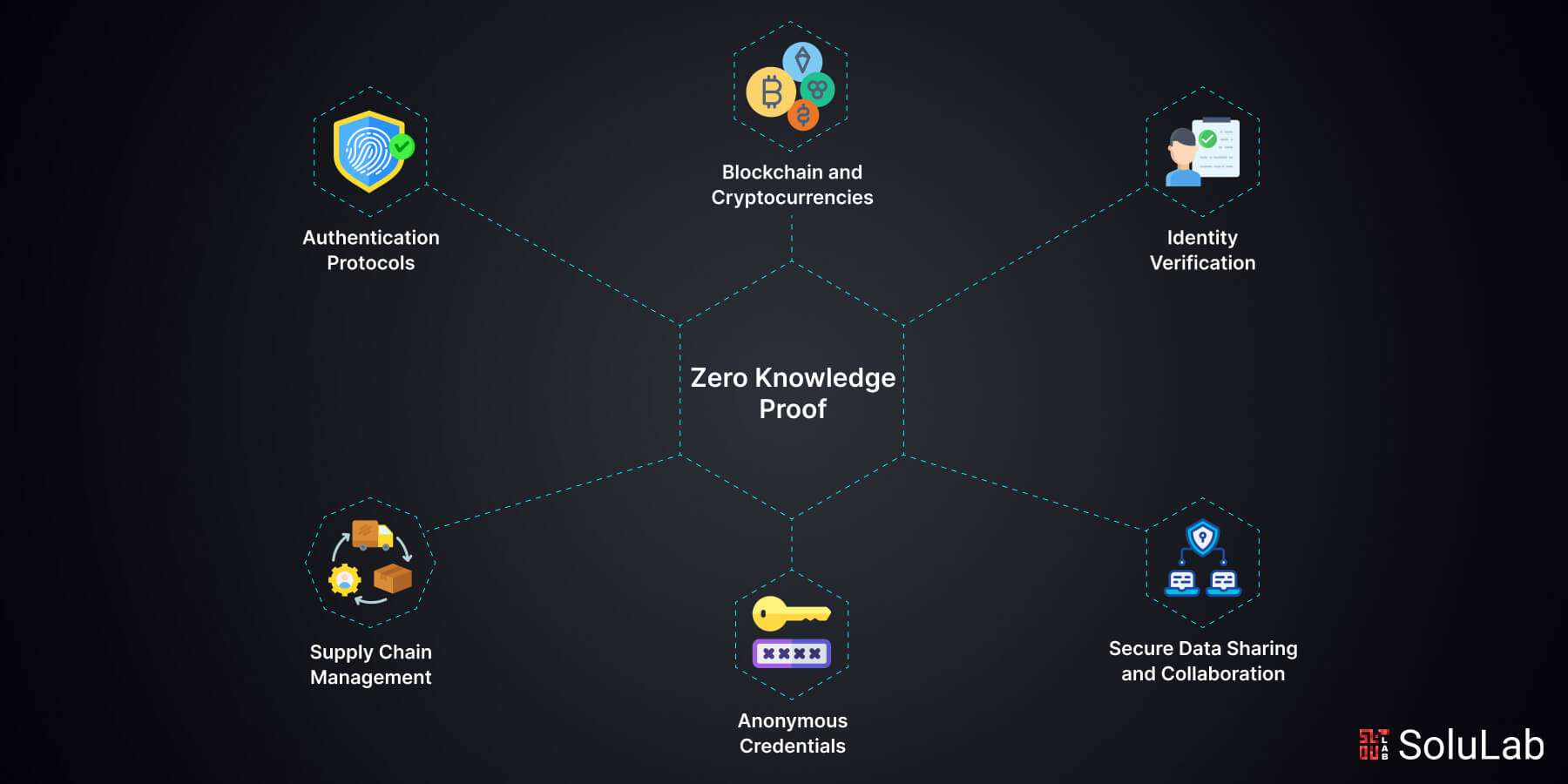
At its heart, a zero-knowledge proof lets you prove a statement's truth without revealing underlying details. For proof of humanity, this means attesting "I am a unique human" via circuits that check biometrics or credentials against a registry, outputting only a yes/no validity signal.
Key ZK Credential Advantages
- Sybil Resistance Without Data Leaks: ZK proofs, as in Humanity Protocol, verify unique humanity (e.g., palm biometrics) without storing raw data, preventing fake accounts in airdrops.
- Portable Across Chains and Apps: zkTLS in Humanity Protocol links Web2 credentials (e.g., frequent-flyer accounts) to Web3 Human IDs for seamless, privacy-preserving use anywhere.
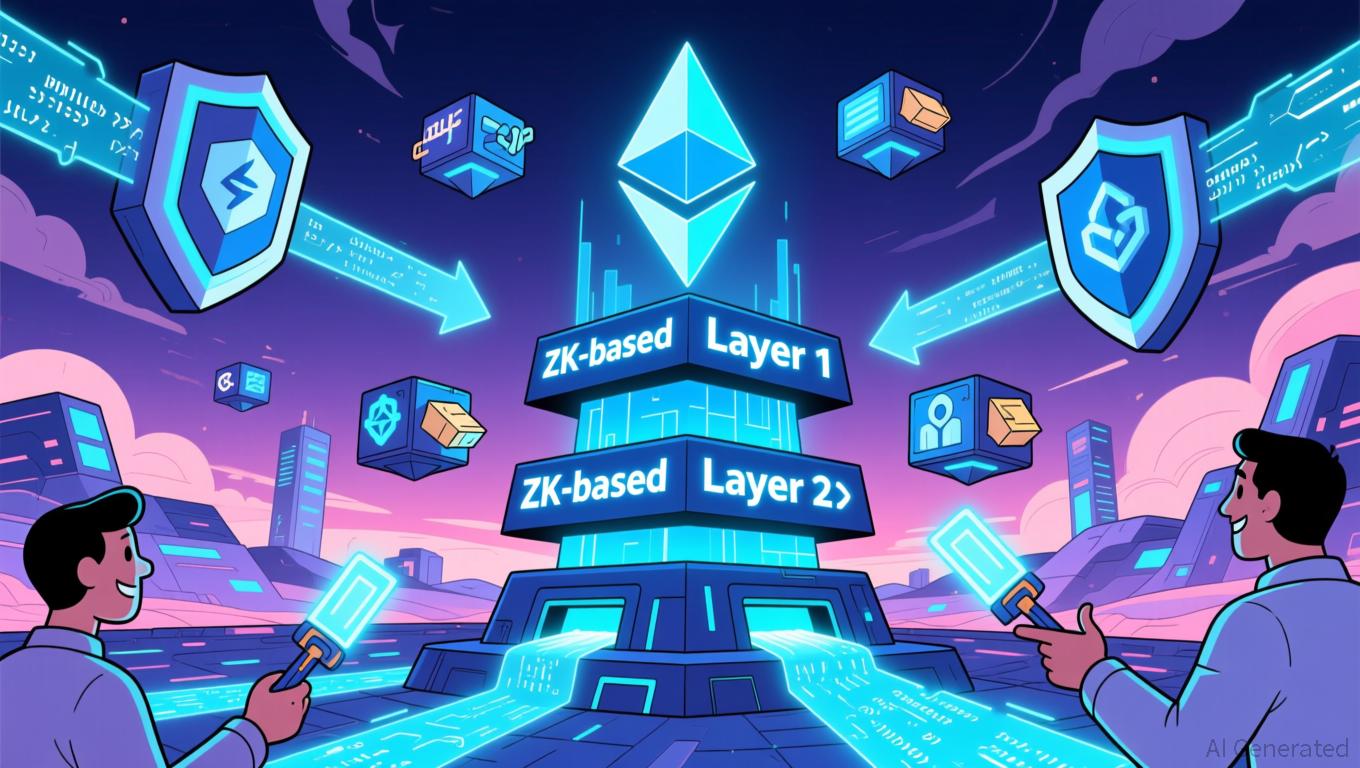
- Scalable with Ethereum 2026 ZK Upgrades: Validators will verify small ZK proofs on Layer-1, targeting ~10,000 TPS for efficient proof-of-humanity in airdrops.
- Fair Token Distribution via Fairdrops: Sybil-resistant mechanisms like Humanity Protocol's $H token Fairdrop ensure equitable, privacy-focused airdrops.

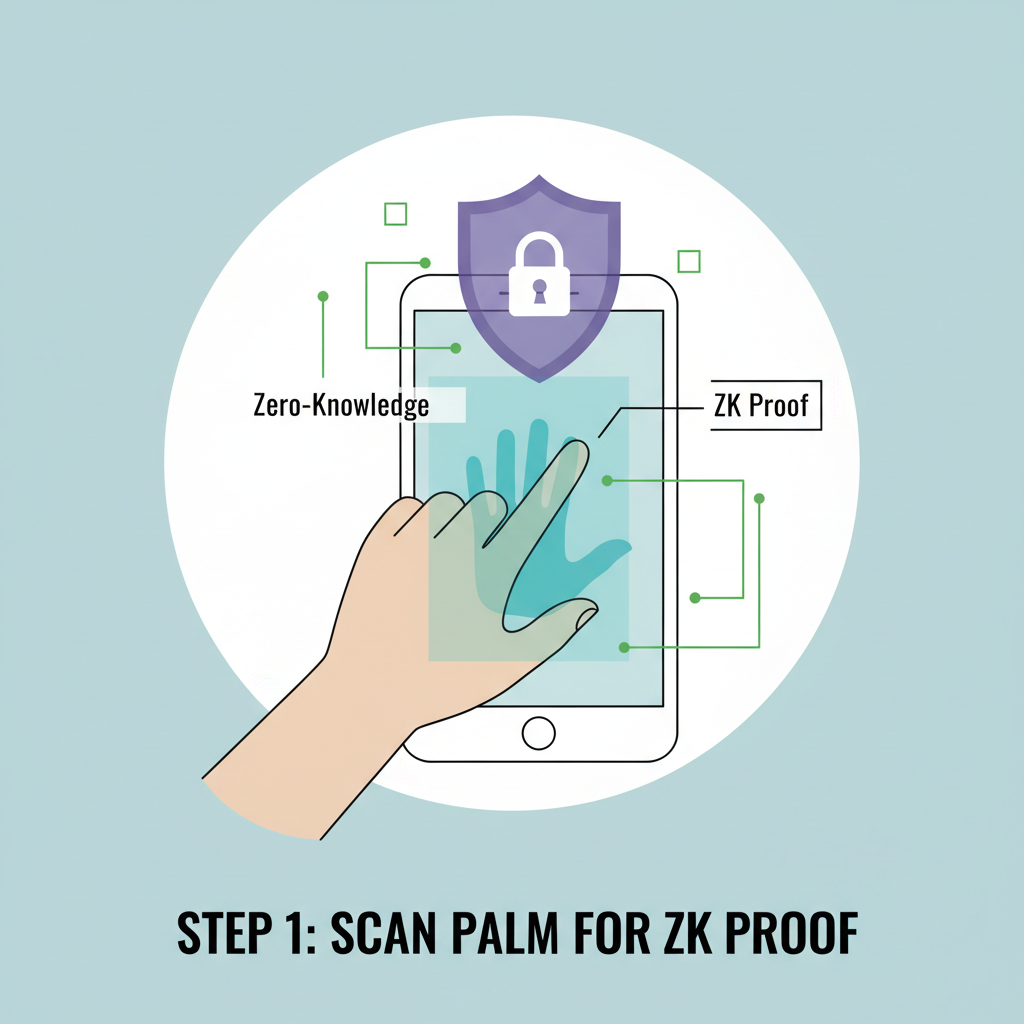
Humanity Protocol exemplifies this: users scan palms on mobile devices, generating ZK proofs from hashed features. These integrate with smart contracts, where airdrop eligibility requires a valid proof submission. No central database holds images; decentralized nodes verify on-chain. zkTLS extends this to Web2, pulling proofs from TLS-secured sites like airlines, fostering a reputation economy.
Real-World Integration: From Biometrics to Smart Contracts
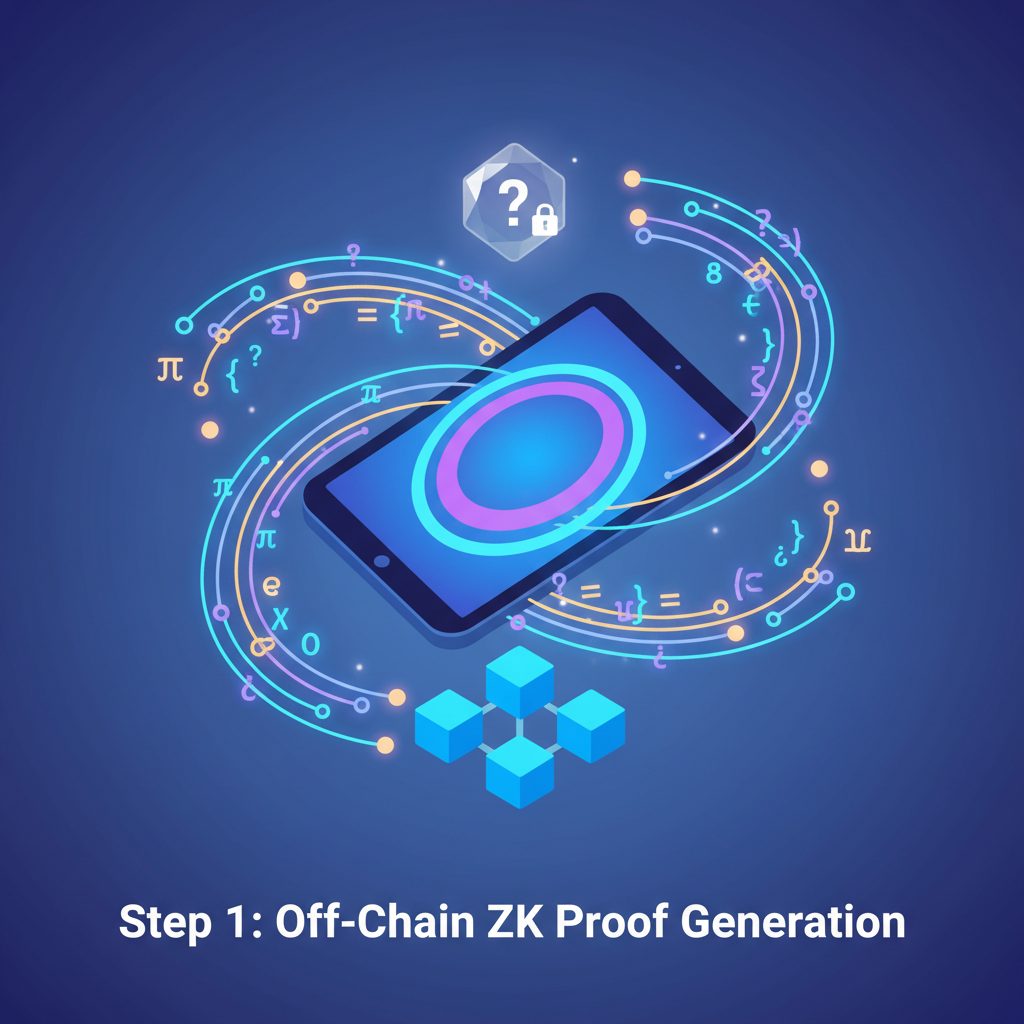
Implementing ZK proofs in Solidity has matured by 2026. Libraries from awesome ZK GitHub repos enable devs to embed verifiers directly. A typical flow: user generates proof off-chain via a wallet like those in ZK identity wallets guides, submits to contract, which checks proof against public inputs like a global uniqueness nonce.
Privacy-focused projects dominate airdrop radars - think those leveraging ZK alongside FHE or MPC. CoinsBench notes privacy's shift from luxury to necessity as adoption surges. For airdrop hunters, tools from ZKHubs. com streamline credential management, letting you claim drops with minimal friction while auditors confirm no double-claims.
Yet the real power lies in user empowerment. Airdrop participants no longer surrender data to centralized verifiers; instead, they control their zk credentials proof of humanity, reusing them across ecosystems. This shifts airdrops from speculative grabs to merit-based rewards, where sustained engagement or unique contributions earn tokens fairly.
Step-by-Step: Claiming Privacy-Preserving Airdrops
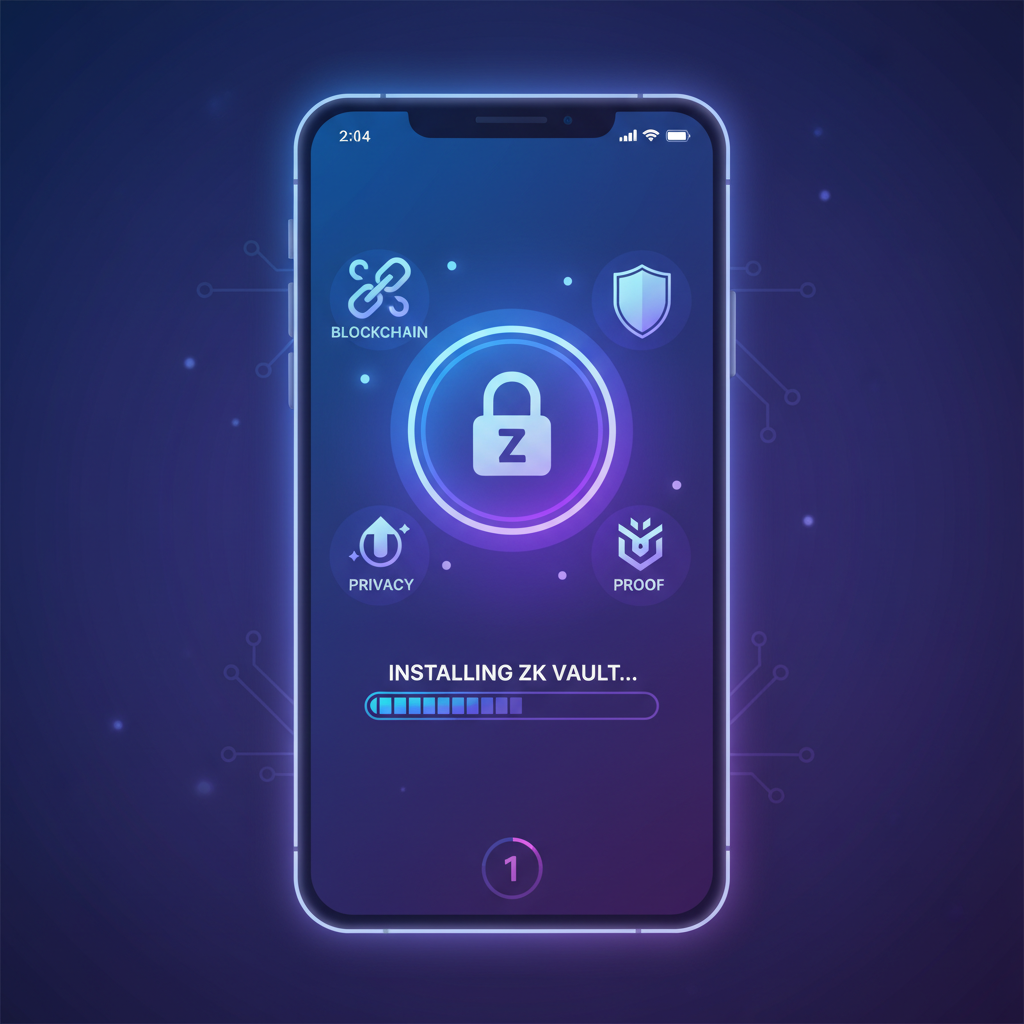
Navigating proof of humanity web3 airdrops starts with the right tools. First, secure a compatible wallet supporting ZK circuits, like those optimized for zk-STARKs from RISC Zero. Generate your proof via a protocol such as Humanity Protocol's palm scan or Self Protocol's testnet integration, then attest uniqueness on-chain.
Generate ZK Proof-of-Humanity & Claim Sybil-Free Airdrops: 2026 Guide
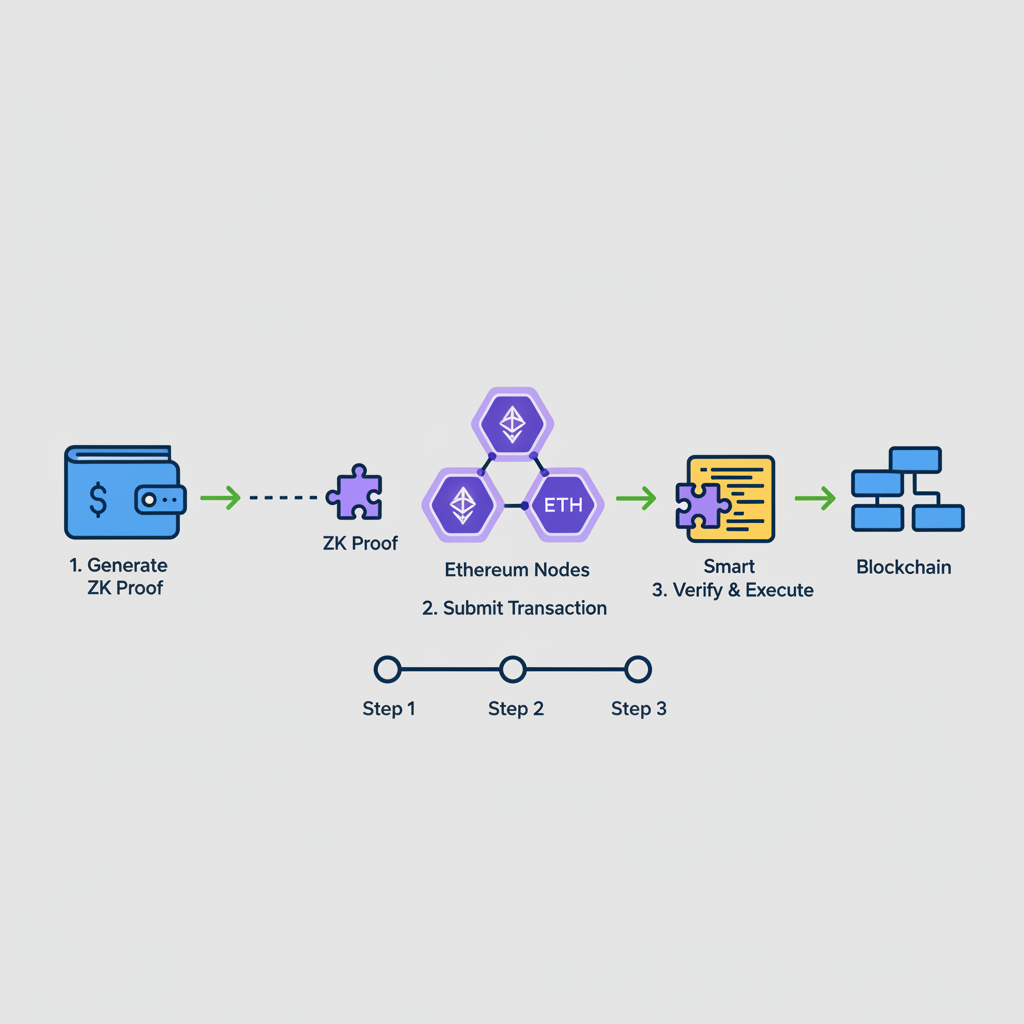
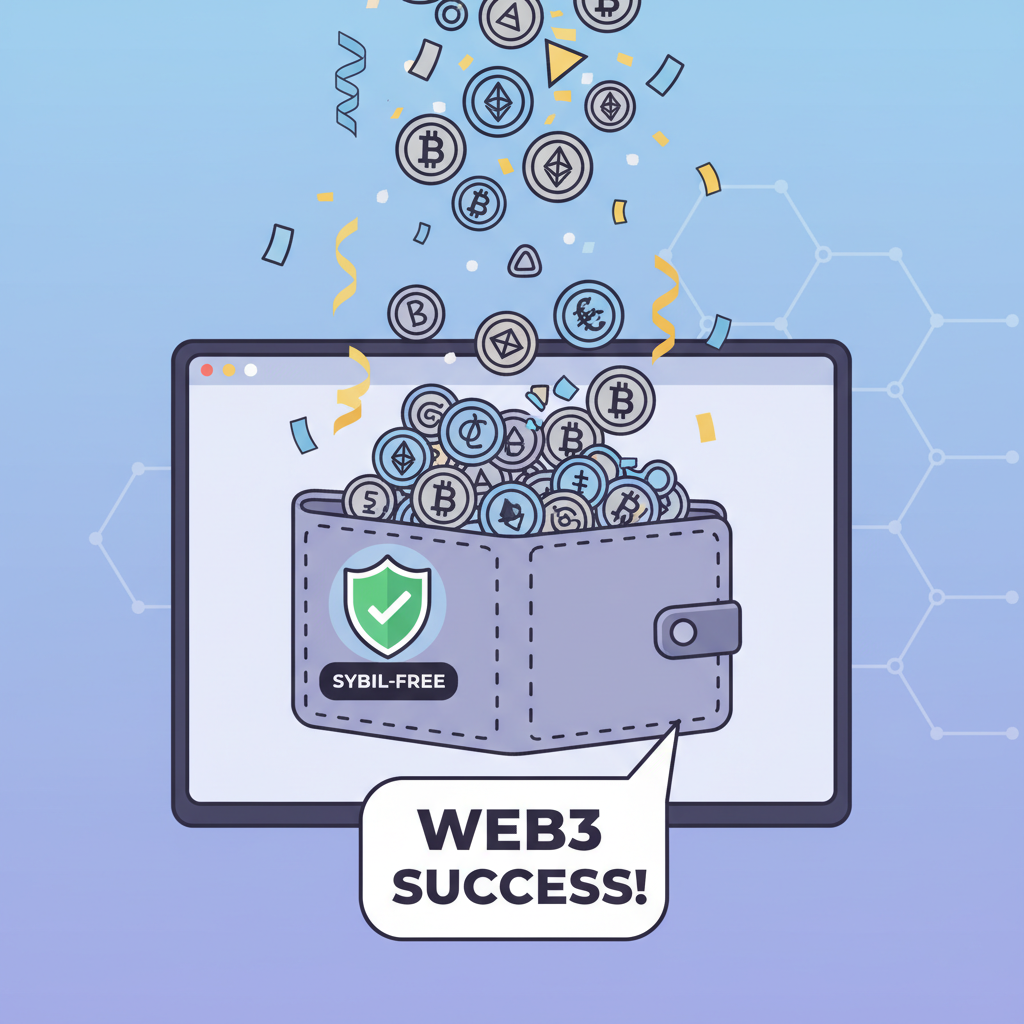
Devs can integrate this via Solidity verifiers, pulling from Ethereum's 2026 opt-in ZK upgrades for efficient Layer-1 checks. Projects like zkMe bridge KYC providers seamlessly, outputting proofs that smart contracts validate without peeking at inputs. The result? Airdrops that scale to thousands of TPS while honoring privacy.
Consider the Fairdrop model from Humanity Protocol's $H launch: early users proved humanity once, earning allocations proportionally to verified uniqueness, not wallet count. This curbs multi-account farming, a plague in past distributions, fostering genuine community growth.
Challenges and Solutions: Overcoming ZK Hurdles in 2026
ZK tech isn't flawless. Proof generation demands computational heft, though mobile optimizations and zkTLS mitigate this. Accessibility gaps persist for non-tech users, but protocols like those in Web3 identity primers from Human Passport simplify onboarding with intuitive apps.
ZK Airdrop Pitfalls & Fixes
- High compute costs: Use zk-STARKs as in RISC Zero for efficiency.

- Adoption barriers: Implement intuitive mobile UIs like Humanity Protocol's palm biometrics.

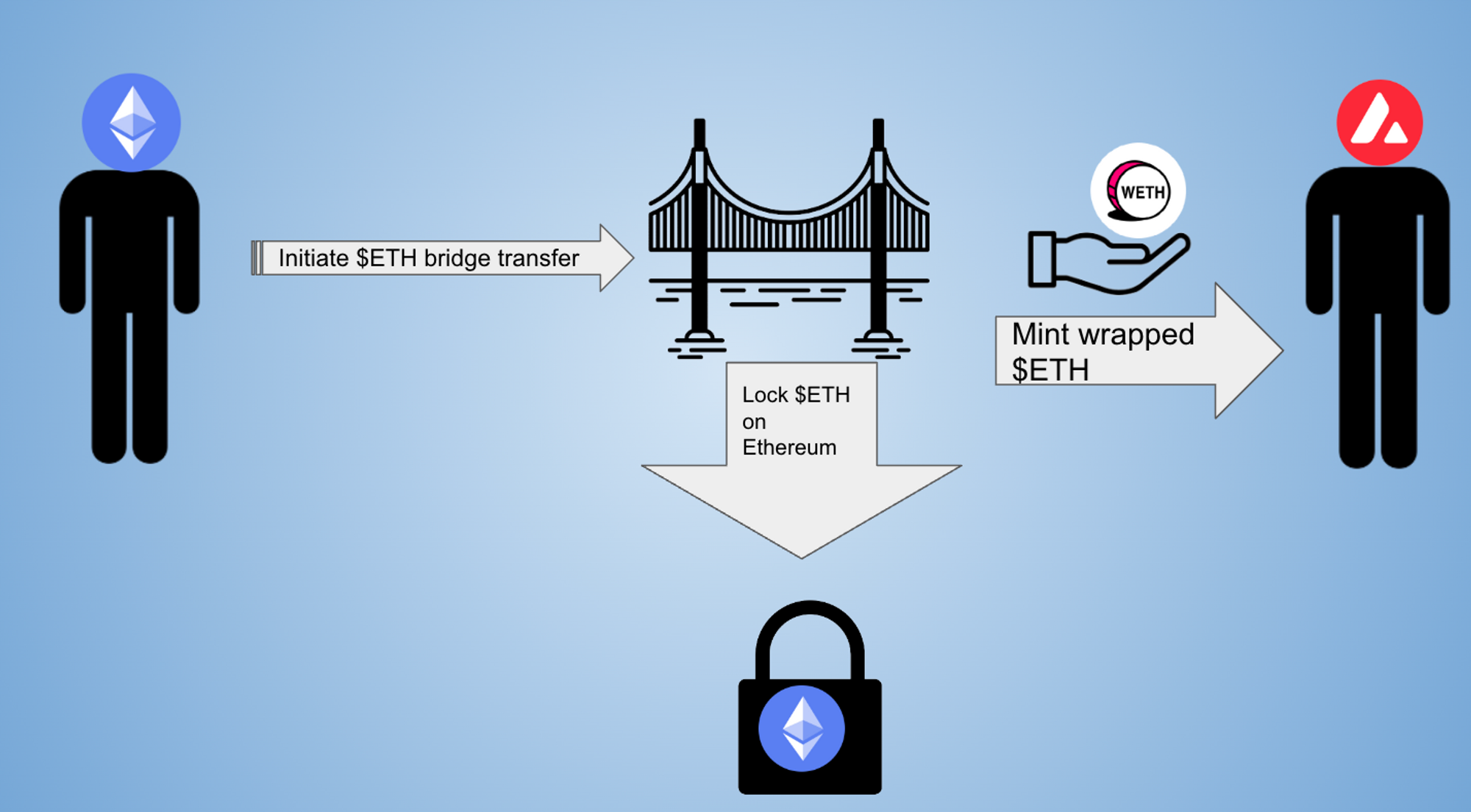
- Cross-chain portability: Leverage bridges like LayerZero or Axelar.
- Audit risks: Use open-source ZK repos like GitHub's awesome-zk.
Regulatory shadows loom too, as governments eye decentralized IDs. Yet ZK's non-disclosure core aligns with data protection laws, positioning it as a compliant path forward. Privacy advocates champion this, with resources from GitHub's awesome ZK lists accelerating secure implementations.
Looking ahead, Ethereum's validator-verified ZK proofs promise explosive growth in zero knowledge proofs airdrops. Combined with FHE hybrids from top privacy projects, airdrops evolve into trustless meritocracies. Humanity Protocol's mainnet bridges Web2-Web3 seamlessly, letting users port reputations from airlines to DeFi without leaks.
In practice, ZKHubs. com stands out for developers building these systems. Their toolkit handles credential issuance, verification circuits, and integration with chains like Celo or Ethereum, all while prioritizing privacy proof of humanity. Airdrop hunters benefit from streamlined dashboards that track eligible drops, auto-generate proofs, and ensure no duplicates slip through.
Projects adopting this - from Perma Technologies' security suites to CoinsBench's Solidity guides - report 90% reductions in Sybil claims. Users gain sovereignty, proving attributes like 'loyal community member' via social graphs or 'verified traveler' from frequent-flyer data, all shrouded in zero-knowledge magic.
This convergence redefines Web3 participation. Airdrops become gateways to sustainable ecosystems, where humanity trumps headcount. As 2026 unfolds, equipping yourself with ZK credentials isn't optional; it's the edge in a bot-riddled landscape. Dive into ZKHubs. com to forge your privacy shield and claim what's rightfully yours.




No comments yet. Be the first to share your thoughts!