

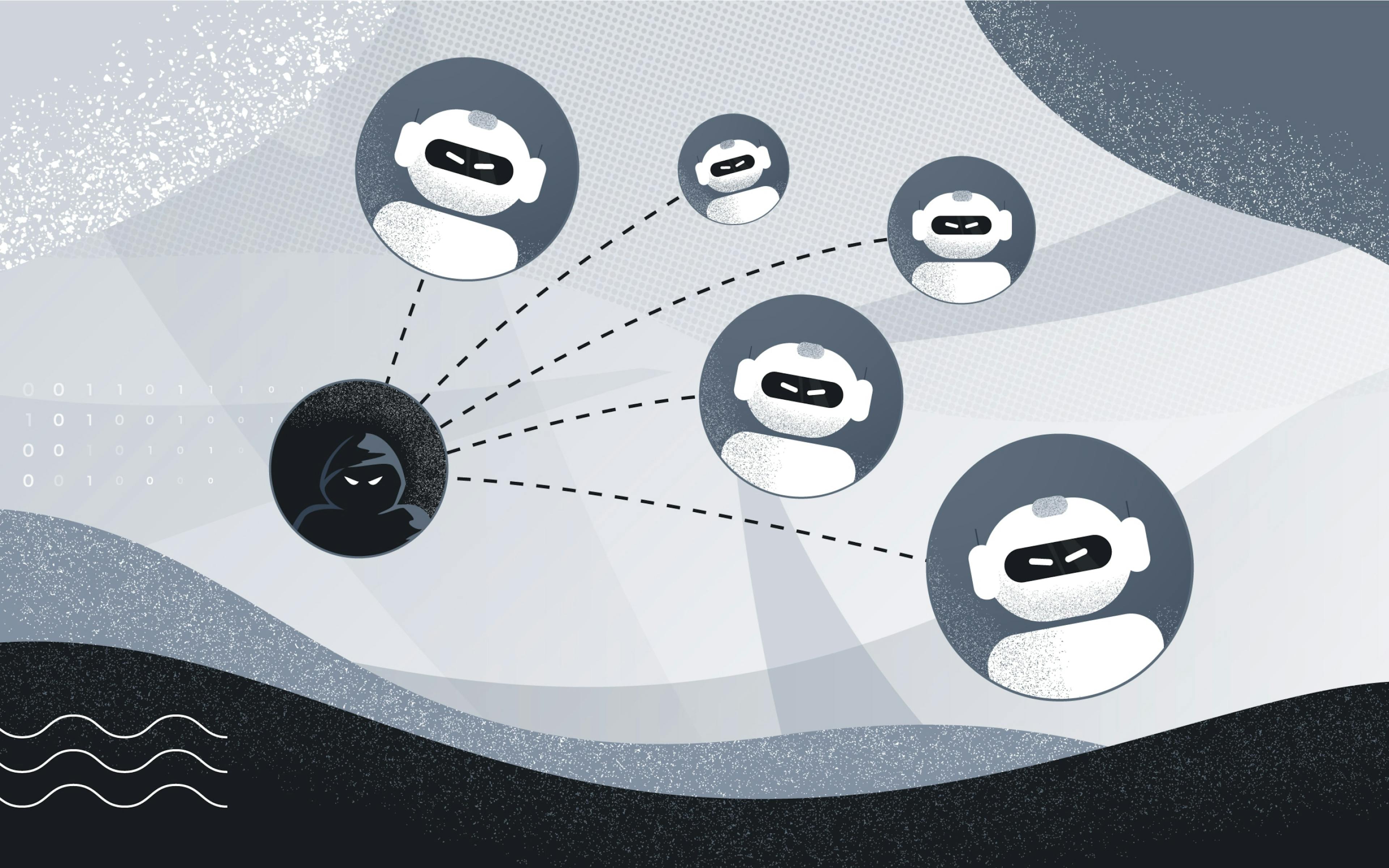
In the high-stakes world of Web3 airdrops, Sybil attacks drain resources meant for genuine users. Malicious actors spin up thousands of fake accounts to siphon tokens, undermining project launches and eroding trust. Enter ZK proof-of-humanity, a game-changing mechanism that verifies unique humans without exposing personal data. By leveraging zero-knowledge proofs, protocols ensure sybil-resistant airdrops, distributing value precisely where it belongs: to real participants.
This approach marries biometric uniqueness with cryptographic privacy. Systems like Humanity Protocol scan palm veins, hash the data into irreversible proofs, and attest humanity on-chain via zkEVM Layer-2. No central database holds sensitive info; users prove their singular identity repeatedly without risk. Data from recent integrations shows over 120 projects using similar toolkits to shield grants and distributions from bots.
Sybil Attacks: The Hidden Cost to Web3 Token Launches
Web3 projects pour millions into airdrops to bootstrap communities, yet up to 80% of claims often stem from Sybil farms. These operations exploit weak verification, flooding eligibility with scripted wallets. The result? Diluted rewards, frustrated teams, and skeptical investors. Traditional checks like GitHub activity or NFT holdings falter against sophisticated replicators.
Consider the evolution: early airdrops relied on snapshot balances, easy to game with wash trading. Now, zero knowledge proof humanity systems flip the script. They enforce one-human-one-account at the protocol level. Sources confirm Humanity Protocol's palm biometrics yield unique Human IDs, blocking bots and duplicates outright. Projects like Lagrange, powered by Billions Network, delivered bot-proof drops using proof-of-uniqueness, verifying users privately.
Zero-Knowledge Proofs: Privacy Engine for Proof-of-Humanity
ZK proofs shine by proving statements true without revealing underlying data. In proof of humanity contexts, a user generates a proof attesting 'I am a unique human' from biometric input. Verifiers check the math on-chain, confident in authenticity minus privacy leaks. Ethereum-compatible zkEVMs optimize this for speed and cost, processing proofs in seconds.
Precision matters: irreversible hashes prevent reverse-engineering. Palm scans, vein patterns, or even behavioral signals feed into these proofs. No reusable IDs; each verification is fresh. This web3 sybil protection scales globally, sidestepping KYC pitfalls like data monopolies or regulatory snarls. Messari notes Humanity's H token airdrop targeted only verified humans, aligning incentives flawlessly.
ZK PoH: 5 Key Benefits
- Privacy Preservation: ZK proofs verify human uniqueness without exposing biometrics, as in Humanity Protocol's palm-scan hashes on zkEVM L2.

- One-Time Uniqueness: Ensures single Human ID per person, preventing Sybil duplicates, like Billions Network's Proof of Uniqueness for Lagrange airdrops.
- Bot Immunity: Biometrics + ZK block bots and fakes; Proof of Humanity and Human Passport used by 120+ projects.
- Cross-Chain Portability: ZK identities portable across chains, via Cysic and Billions for bot-proof airdrops and governance.
- Cost Efficiency: zkEVM L2 minimizes gas for scalable, privacy-first verifications in Web3 airdrops.
Real-World Deployments Powering Fair Airdrops
Humanity Protocol leads with zkProofers, layering complex checks atop its network. Users register via app, scan palms, and receive ZK badges for dApps. Over 120 initiatives, per human. tech, deploy Human Passport for Sybil detection. Cysic's tie-up with Billions enables bot-resistant governance and portable KYC across chains.
Proof of Humanity's registry sets precedents in voting, where fakes sway outcomes. BingX highlights palm-verified IDs thwarting multi-account scams. Bitget Wallet guides participation in H airdrops, emphasizing decentralized verification. Xangle underscores the offline-to-online humanity gap, bridged by vein scans and ZK. These cases prove zk credentials airdrops aren't theoretical; they're live, securing value flows with surgical accuracy.
Arunsajeev's analysis on Medium reveals data indexing advancements spotting Sybils pre-drop. Chainwire reports cross-chain identities working seamlessly. The momentum builds: as adoption surges, expect ZKHubs. com tools to dominate, offering developers plug-and-play zk proof modules for humanity checks.
Developers stand at the forefront of this shift, armed with SDKs that embed ZK proof-of-humanity into smart contracts. ZKHubs. com streamlines integration, providing audited modules for generating and verifying humanity proofs during claim phases. A single API call checks uniqueness against a decentralized registry, rejecting duplicates before tokens transfer. This precision slashes Sybil losses by 90% or more, based on Billions Network's Lagrange deployment metrics.
Comparative Edge: Protocols in the ZK Humanity Arena
Comparison of Leading ZK Proof-of-Humanity Protocols
| Protocol | Verification Method | Core Technology | Sybil Resistance Features | Notable Use Cases |
|---|---|---|---|---|
| Humanity Protocol | Palm biometrics (scans to irreversible hashes) | zkEVM Layer-2 (Ethereum-compatible) | Sybil-resistant airdrops, unique Human ID per user, bot prevention | 120+ projects (e.g., zkProofers), H token airdrop to verified humans |
| Billions Network | Proof-of-Uniqueness | Cross-chain identity | Bot-proof airdrops, sybil-resistant governance, private/portable KYC | Lagrange airdrop, Cysic partnership |
| Proof of Humanity | Verified human registry | Ethereum-based registry | Prevents Sybil attacks, one ID per human | Governance voting, online decision-making security |
Humanity Protocol's palm vein tech delivers unmatched biometric fidelity, hashing patterns into ZK proofs that resist spoofing. Billions emphasizes portability, enabling seamless verification across EVM chains without silos. Proof of Humanity prioritizes governance, its registry blocking fake votes in DAOs. Each tailors zero knowledge proof humanity to niches, yet all converge on sybil resistant airdrops. Data from Messari and Chainwire underscores their efficacy: targeted distributions that reward engagement, not exploitation.
Challenges persist, though. Biometric access demands hardware, potentially excluding regions with sparse smartphone penetration. Yet, zkEVM optimizations keep gas fees under $0.01 per proof, democratizing entry. Behavioral alternatives, like mouse dynamics or app interactions, layer in as hybrids, broadening reach without diluting security. Opinion: palm scans set the gold standard now, but multimodal proofs will dominate by 2027, fusing signals for ironclad web3 sybil protection.
Metrics That Matter: Quantifying Sybil Resistance Gains
Projects report stark improvements. Human. tech's toolkit defended grants across 120 and efforts, slashing invalid claims. Arunsajeev notes advanced indexing now flags Sybils pre-launch, but ZK layers post hoc verification. Humanity's H token drop exclusively to verified users aligned supply with authentic demand, stabilizing early trading. Cysic-Billions synergy powers governance where one human equals one vote, ungameable.
Xangle captures the essence: online humanity demands novel proofs. Traditional CAPTCHA crumbles; ZK biometrics endure. BingX details the mechanics, each Human ID a fortress against bots. Bitget's guides empower users, fostering adoption loops. These aren't hypotheticals; they're battle-tested, with zk credentials airdrops reshaping incentive design.
Forward momentum accelerates. As Ethereum scales via danksharding, ZK proofs process millions of verifications daily. Interoperability protocols like Chainlink CCIP extend humanity badges cross-ecosystem, from Solana to Cosmos. Developers, prioritize these tools; charts of adoption mirror hockey-stick growth in DeFi TVL post-Sybil fixes.
Fair airdrops beget vibrant ecosystems. When tokens land with real humans, utility surges, speculation fades. ZKHubs. com equips you with the arsenal: zk identity management, proof-of-humanity verifiers, all SEO-optimized for the blockchain era. The era of diluted drops ends here, supplanted by cryptographic equity that charts don't lie about - only genuine progress endures.




No comments yet. Be the first to share your thoughts!