
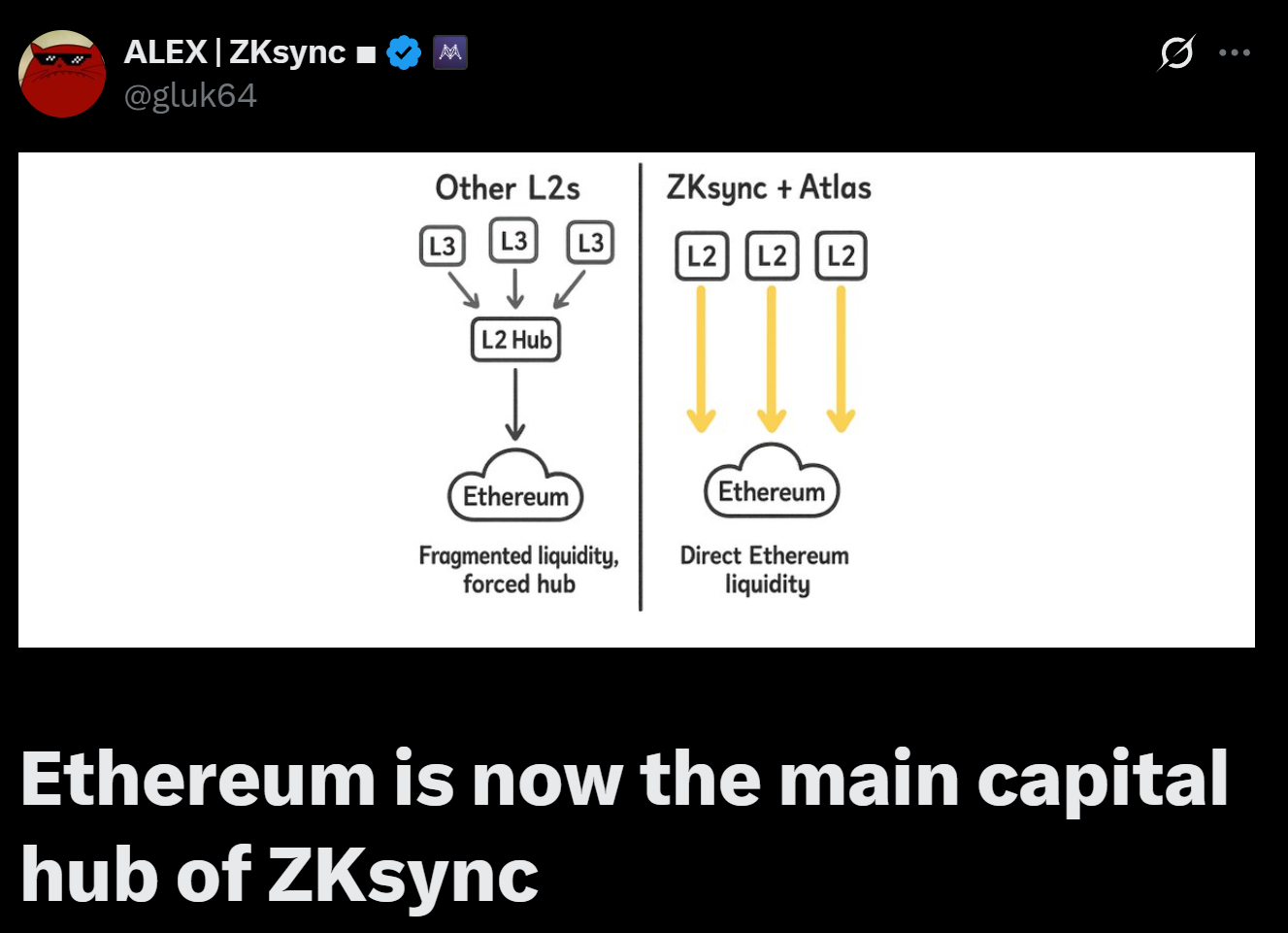
Why ZK hubs matter in 2026
The zero-knowledge landscape is moving past the era of isolated rollups. In 2026, the dominant infrastructure trend is the emergence of ZK hubs: interconnected layers that aggregate proof generation and verification across multiple chains. Instead of each project building its own siloed verification logic, hubs provide a shared, high-throughput backbone for privacy-preserving data.
This aggregation model solves the fragmentation problem that plagued earlier iterations. Projects like ZKsync are central to this transition. Matter Labs is allocating significant resources to its 2026 protocol development, including a monthly allocation of 67 million ZK tokens to fund network improvements. Simultaneously, ZKsync is deprecating its legacy ZKsync Lite (1.0) to consolidate efforts into this new hub-centric architecture.
The result is a more robust privacy layer. By centralizing the heavy lifting of proof aggregation, ZK hubs reduce costs and latency for all connected chains. This infrastructure allows developers to focus on application logic rather than reinventing cryptographic verification for every new deployment.
Top ZK hub infrastructure picks
The landscape for zero-knowledge hubs in 2026 is shifting from experimental testnets to dedicated, high-throughput infrastructure. As Ethereum’s first zk-rollup prepares to sunset its legacy Lite version, the focus has moved squarely to the mainnet’s scaling capabilities and the broader ecosystem of specialized hubs. These projects serve as the critical plumbing for private, scalable computation, each addressing different layers of the stack.
ZKsync remains the anchor for general-purpose scaling. Matter Labs has secured significant development allocation for 2026, ensuring continued upgrades to its Hyperchain architecture. This infrastructure is designed to handle high-volume transactions while maintaining strict security guarantees, making it the default choice for applications needing robust, Ethereum-secured throughput.
Beyond the major rollups, community-driven hubs are filling specific niches. The ZK Community Hub, supported by initiatives like House of ZK, provides a gathering point for developers and researchers. These hubs facilitate knowledge sharing and coordinate efforts around applied ZK use cases, ensuring that the technology’s evolution is driven by both institutional and grassroots innovation.
Community-driven ZK networks
The stability of zero-knowledge infrastructure in 2026 depends heavily on the communities that build and maintain it. While core protocol development is often driven by small engineering teams, the broader ecosystem relies on grassroots initiatives to ensure knowledge sharing, archival, and practical support. Two prominent examples of this community-led approach are the ZK Av Club and the Zettelkasten forums.
The ZK Av Club operates as a dedicated media and archival hub within the Zcash community. Rather than focusing on new cryptographic proofs, this initiative tackles the often-overlooked aspects of infrastructure: documentation, video archives, and community support. By establishing clear milestones for preserving historical context and making technical insights accessible, the ZK Av Club ensures that institutional knowledge isn't lost as protocols evolve.
Similarly, the Zettelkasten forums provide a structured space for researchers and enthusiasts to organize and connect complex ZK concepts. These forums function less like traditional social media and more like a living library, where participants link notes, share monthly progress updates, and debate implementation details. The focus on interconnected knowledge helps demystify advanced topics, allowing community members to build on each other's work rather than starting from scratch.
These community-driven networks act as the connective tissue of the ZK landscape. They complement technical development by ensuring that the human element—education, archival, and peer support—keeps pace with rapid innovation. Without these grassroots efforts, the complexity of zero-knowledge proofs could remain a barrier to widespread adoption and understanding.
How to evaluate ZK hub scalability
Assessing a zero-knowledge hub in 2026 requires looking past marketing promises and examining three concrete technical pillars: proof generation speed, verification costs, and interoperability with Ethereum L1. The infrastructure that powers privacy today is no longer theoretical; it is defined by how quickly it can process transactions and how cheaply those proofs settle on-chain.
Proof generation speed determines the user experience. A hub that takes minutes to generate a zero-knowledge proof is useless for real-time payments or high-frequency trading. Look for projects utilizing optimized circuits, such as those built on Plonky2 or Halo2, which allow for parallelized proof generation. Matter Labs, for instance, has been aggressively funding its 2026 protocol development to reduce latency, allocating significant resources to keep their ZKsync stack competitive. If a hub cannot generate proofs in under a second, it is likely too slow for mainstream adoption.
Verification costs are the second critical metric. Every proof must be verified on Ethereum L1, where gas fees are high. Efficient verification means the hub uses recursive proofs to combine many transactions into a single proof, dramatically lowering the per-transaction cost. Evaluate whether the project uses aggregation layers that batch transactions efficiently. Projects that rely on heavy, non-optimized circuits will struggle to maintain profitability as network usage scales.
Finally, interoperability with Ethereum L1 is non-negotiable. The hub must seamlessly bridge privacy with the security of Ethereum. This means supporting standard ERC-20 and ERC-721 tokens without requiring complex wrapping or custom bridges. Check if the hub’s smart contracts are audited and if they support common EVM tools. A hub that isolates itself from the Ethereum ecosystem limits its utility. The best ZK hubs in 2026 are those that blend speed, low costs, and deep Ethereum integration into a single, reliable infrastructure.
Helpful gear
Use these product recommendations as a starting point, then choose the size, material, and price point that fit how you actually use the gear.


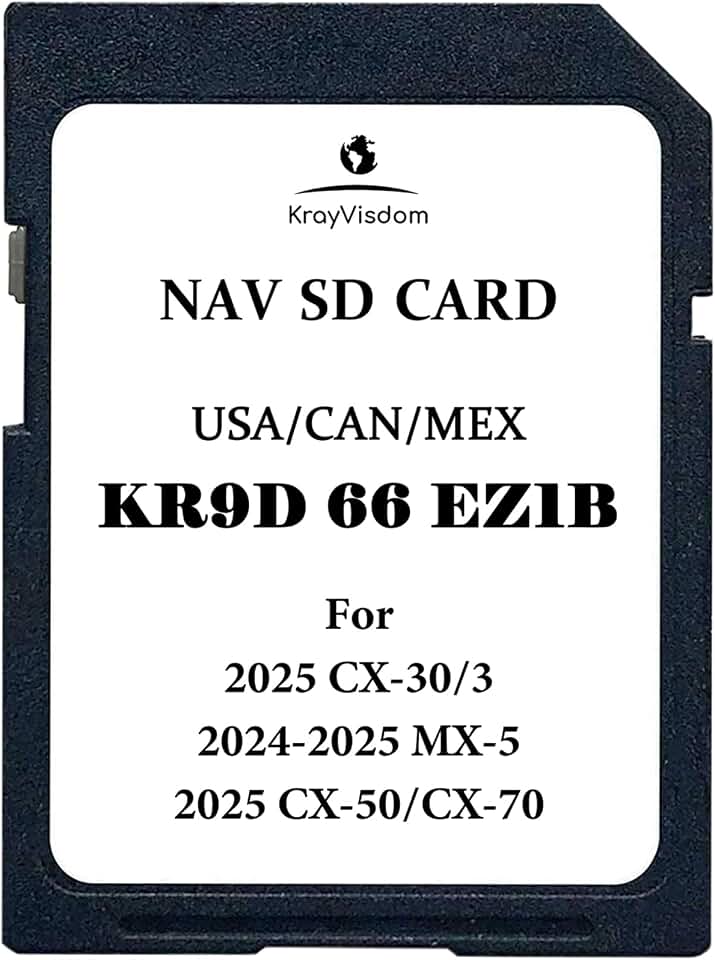
As an Amazon Associate, we may earn from qualifying purchases.
No comments yet. Be the first to share your thoughts!