

In 2026, Web3 ecosystems grapple with a persistent challenge: distinguishing genuine humans from bots and Sybil accounts without invasive surveillance. Zero-knowledge proofs for proof of humanity emerge as a refined answer, enabling privacy-preserving personhood verification that aligns incentives across decentralized applications. These cryptographic primitives allow individuals to attest uniqueness selectively, fostering trust in governance, airdrops, and resource allocation while data remains concealed.

Traditional identity systems falter in blockchain environments, exposing users to data breaches or centralization risks. ZK proofs invert this dynamic; provers demonstrate attributes like 'I am a unique human' sans underlying evidence. This zk identity verification underpins protocols scaling to billions, cautious against overhyping yet grounded in matured zkEVM chains like Polygon's.
Sybil Resistance Meets Uncompromised Privacy
Web3's open nature invites exploitation. Bots inflate voter tallies in DAOs; fake accounts siphon airdrops. Proof of personhood protocols counter this, but early biometric scans or social graphs risked privacy leaks. Enter zero knowledge proof of personhood: circuits encode biometric hashes or credential aggregates into succinct proofs, verifiable on-chain without originals.
Consider the stakes. A flawed system erodes participation; one too rigid stifles adoption. ZK balances this, as seen in Humanity Protocol's dual-layer biometrics on Polygon zkEVM. Users stake H tokens for verification, governance follows naturally. Yet caution prevails: biometric centralization whispers dystopian undertones, demanding decentralized alternatives thrive.
Prominent Protocols Driving Adoption
Several initiatives now anchor this space. Humanity Protocol leads with privacy-focused Proof-of-Humanity, blending biometrics and ZK to thwart bots; its H token incentivizes honest staking. Self Protocol, partnering Google Cloud, integrates ZK tools into developer portals, attesting humanity sans data storage.
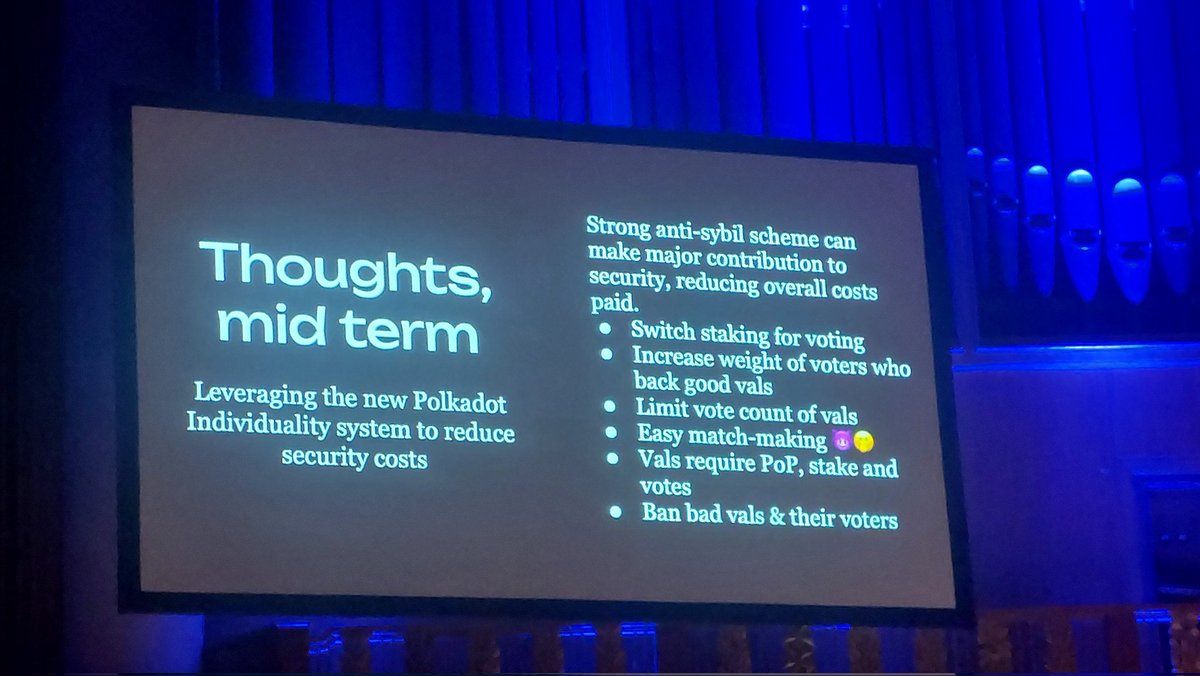
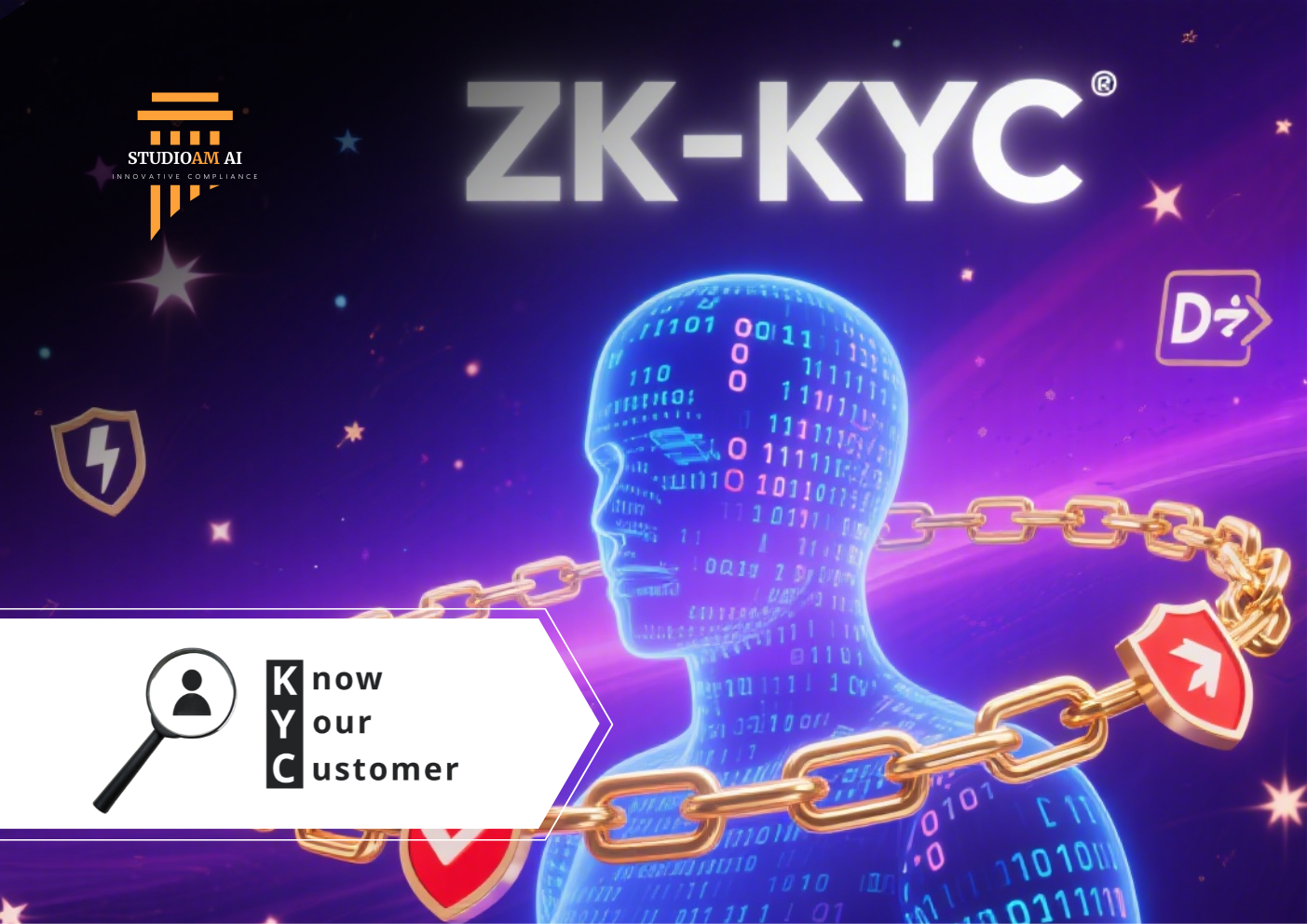
Polkadot's Proof-of-Personhood bolsters governance, proving uniqueness for treasury votes. zkMe's zkKYC complies with FATF via ZK, verifying age or citizenship attributes privately. Human Passport, evolved from Gitcoin, aggregates credentials into 'Unique Humanity Scores, ' combating Sybil in dApps.
These vary in aggression: biometric-heavy like Humanity risk edge cases, while credential-based like Human Passport scale broadly. Analytical lens reveals no panacea; interoperability lags, circuits demand optimization for mobile proofs.
Mechanics of Privacy-Preserving Humanity Proofs
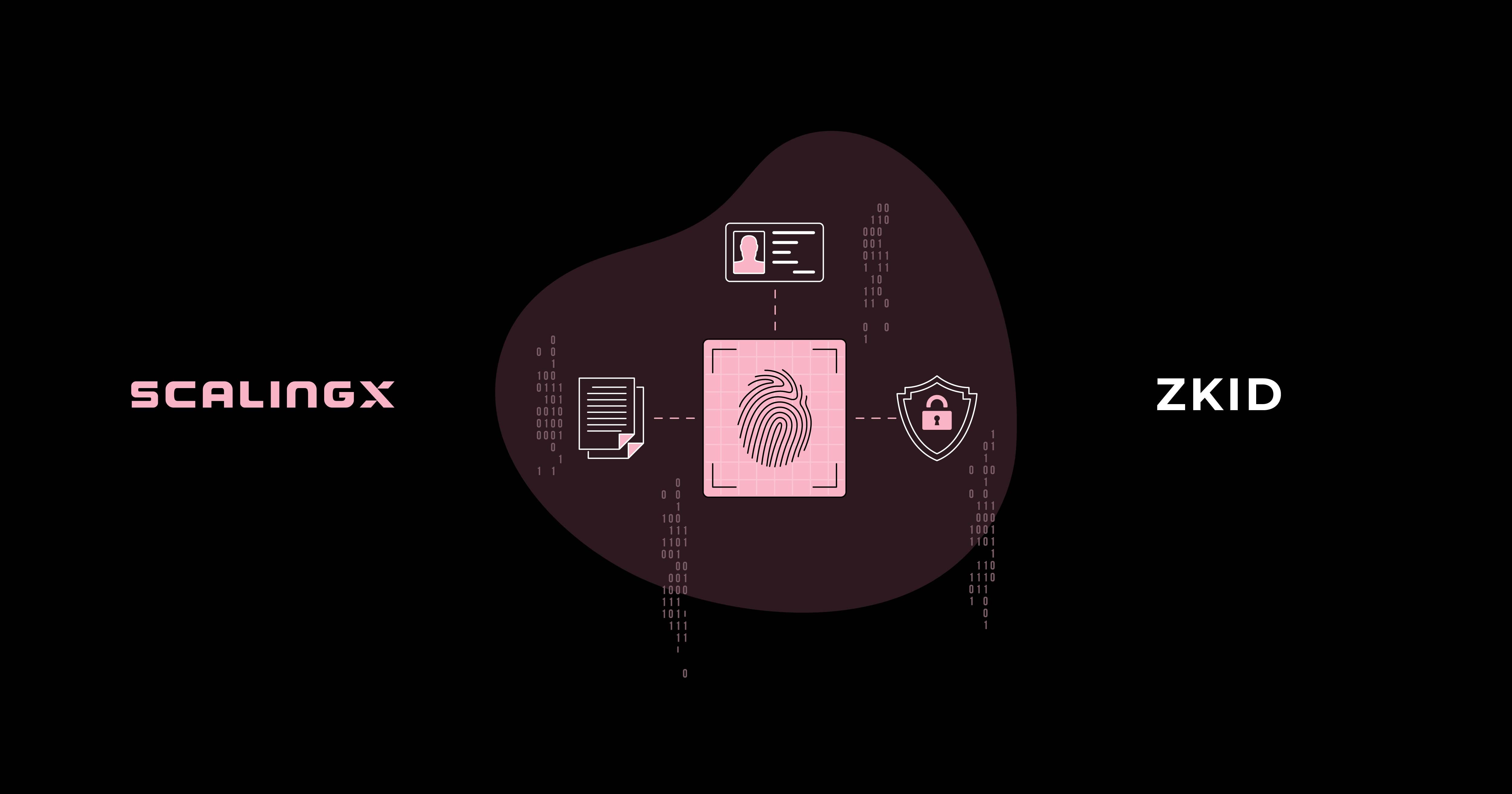
At core, ZK proofs rely on soundness, completeness, and zero-knowledge. For personhood, a prover generates a commitment from biometrics or stamps (e. g. , World ID orbs, now zk-enhanced). This feeds a zk-SNARK circuit: prove 'this commitment matches a unique human signal' without signals.
Zero-knowledge proofs enable private, trustless identity verification in Web3, decoupling proof from data. Challengers query; prover responds with tiny proof, chain verifies instantly. Cautiously, quantum threats loom, but lattice-based upgrades progress.
zkEmail and browser attestations extend reach, making ZK 'more human. ' Yet opinionated take: hype outpaces audits; protocols must prioritize recursive proofs for scalability before mass onboarding.
Scalability remains the linchpin. Current zk-SNARKs pack proofs into kilobytes, but proving complex personhood signals across chains demands recursion - layering proofs within proofs. Polygon zkEVM and Polkadot's substrate optimizations edge closer, yet mobile devices strain under proving times exceeding seconds. Developers at ZKHubs. com advocate hybrid circuits, blending light biometrics with social proofs for broader reach.
Real-World Applications in Web3
ZK proofs for proof of humanity transcend theory, anchoring practical Web3 utilities. In DAOs, they ensure one-person-one-vote without doxxing; imagine staking proposals weighted by verified uniqueness, not wallet multiplicity. Airdrops pivot from chaos to equity, distributing tokens solely to humans via privacy-preserving humanity proofs.
Governance platforms like Polkadot deploy these for treasury bids, where Sybil-free signals prevent whale dominance. DeFi protocols experiment with humanity-gated lending, reducing liquidation cascades from bot farms. Gaming ecosystems curb pay-to-win by verifying player personhood, fostering organic communities. Even social dApps, echoing early Reddit curiosities on zk circuits versus AIs, now encode behavioral uniqueness into proofs, outpacing simplistic CAPTCHAs.
ZK Personhood Apps in Web3 🔒
- DAO Voting 🗳️: Enables Sybil-resistant governance, as in Polkadot's Proof-of-Personhood system, verifying unique humans privately without data exposure.
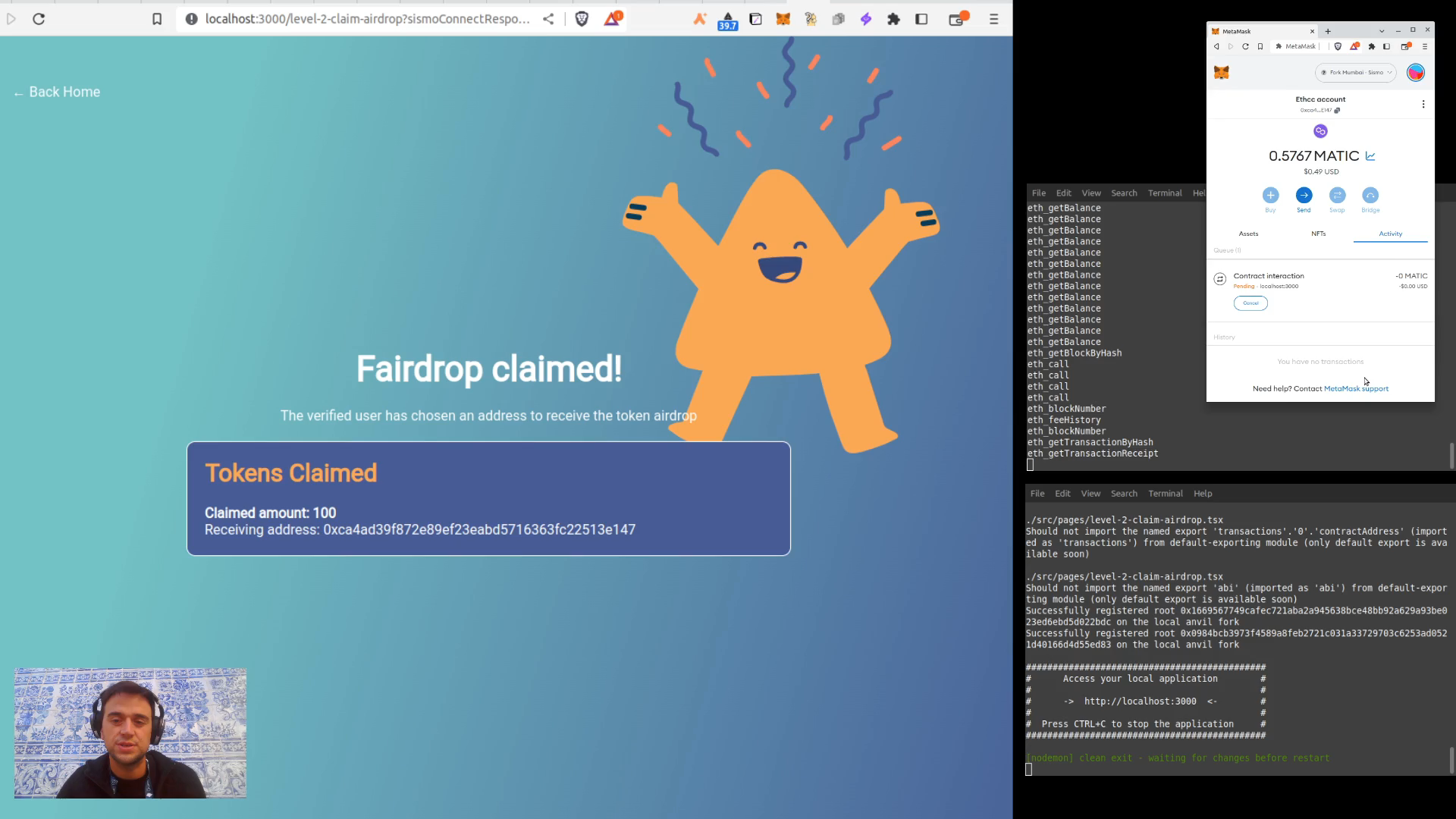
- Airdrop Fairness 🎁: Ensures one-human-per-claim via ZK proofs, like Human Passport's Unique Humanity Scores for equitable token distribution.
- DeFi Access Controls 🏦: Restricts lending or borrowing to verified humans, preventing bots as supported by Humanity Protocol on Polygon zkEVM.
- Gaming Anti-Cheat 🎮: Verifies human players to block bot farms, leveraging zkProofers for resource protection in Web3 games.

- Social Verification 👥: Confirms unique accounts without PII, akin to Self Protocol's privacy-focused attestations for networks.
Caution tempers optimism. Interoperability falters; a Humanity Protocol proof doesn't natively verify on zkMe. Cross-chain bridges with ZK light clients inch forward, but oracle dependencies persist. Opinion: protocols ignoring composability risk silos, undermining Web3's ethos.
Risks, Audits, and the Path Forward
No silver bullet exists. Biometric reliance, as in Worldcoin echoes or Humanity's layers, invites edge cases - twins, deepfakes, or coerced scans. Credential aggregation in Human Passport scales but inherits Web2 biases. Quantum vulnerabilities shadow elliptic curves; post-quantum ZK variants demand priority.
Audits lag fanfare. GitHub discussions highlight signature decoupling for flexibility, yet few circuits withstand formal verification. Browser-based ZK, per Cloudflare innovations, democratizes access but exposes endpoint attacks. My analytical stance: invest in open-source circuits and bounty programs before prime-time deployment. ZKHubs. com's tools exemplify this, offering zk identity management kits audited for production.
Regulatory headwinds loom. FATF-compliant zkKYC from zkMe navigates KYC mandates privately, proving attributes like citizenship sans passports. Yet global enforcers eye personhood as backdoor surveillance. Decentralized governance must preempt this, embedding contestability - users revoke proofs unilaterally.
Stakeholders weigh trade-offs astutely. Self Protocol's Google tie-ups accelerate tooling, but purity advocates prefer pure on-chain paths. Human Passport's scores, blending stamps, offer pragmatic hybrids, scoring high on adoption velocity.
By 2026's close, expect zkEVM ubiquity pushing proofs under 100ms. Initiatives like zkProofers evolve, resource-gating dApps against bots. Ultimately, proof of humanity Web3 hinges on user sovereignty - proofs as personal vaults, not panopticons. Developers wielding these at ZKHubs. com pave privacy-first paths, where verification empowers rather than extracts. Patience yields resilient systems; speculation courts fragility.




No comments yet. Be the first to share your thoughts!