

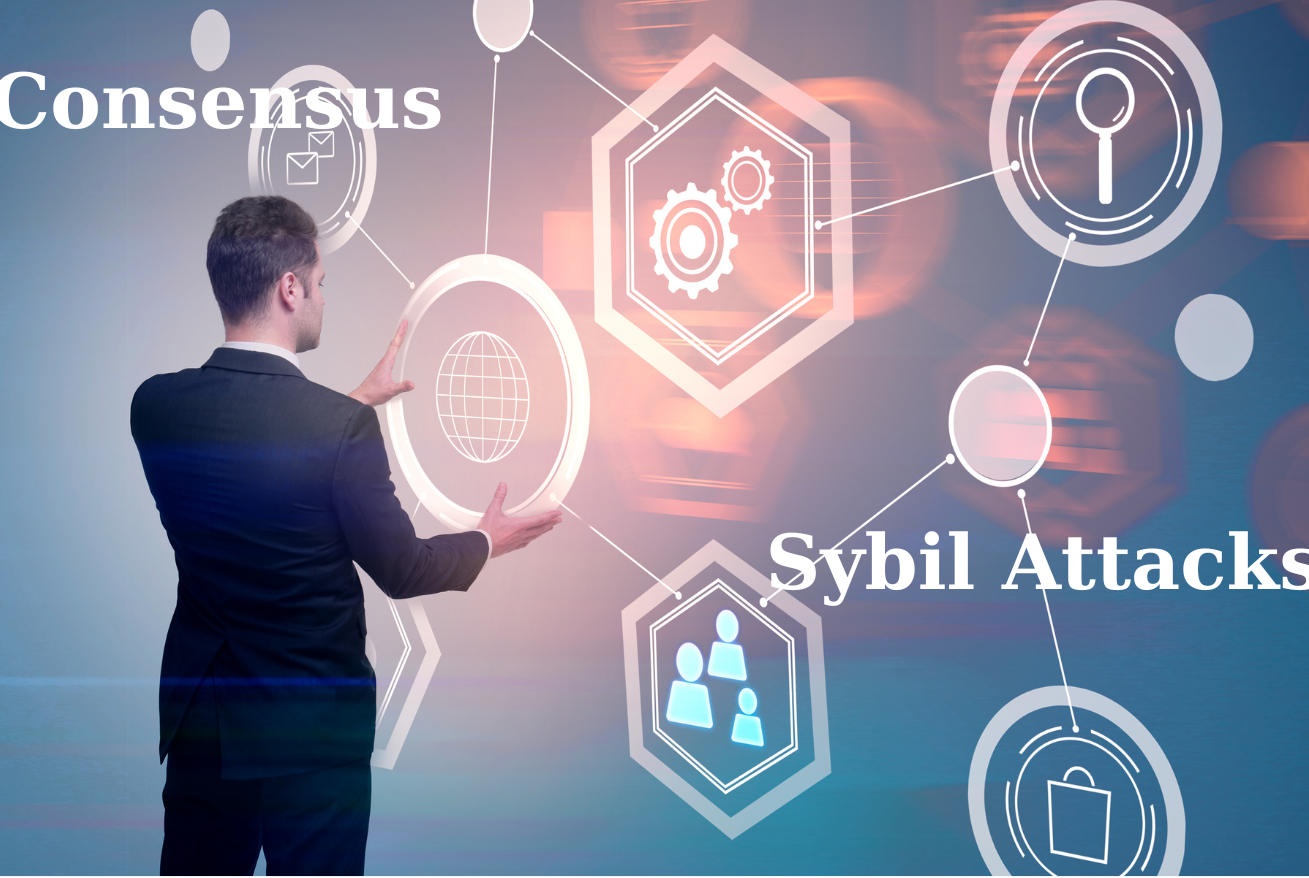
In the sprawling decentralized landscapes of Web3 DApps, Sybil attacks loom as the silent saboteurs, where one entity masquerades as legions to hoard airdrops, skew governance, or flood faucets. As of February 2026, zero-knowledge proofs stand as the unassailable shield, enabling sybil resistant zk identity through proof-of-humanity verifications that reveal nothing beyond the bare truth of human uniqueness. This fusion of cryptography and biometrics isn't mere theory; it's deploying now across testnets and mainnets, slashing bot dominance by orders of magnitude while cradling user privacy.

Consider the stakes: traditional wallet-based systems crumble under pseudonymity's weight, inviting exploits that drained millions in 2025 airdrop campaigns. ZK proofs flip the script, allowing users to attest humanity via palm biometrics or cognitive challenges without exposing raw data. Humanity Protocol exemplifies this, converting palm scans on Polygon's zkEVM into irreversible templates, each yielding a singular Human ID. No duplicates, no bots, just verifiable singularity.
Sybil Resistance Redefined by Zero-Knowledge Humanity Verification
Sybil resistance once leaned on blunt tools like proof-of-work, which scorched energy for marginal gains, or proof-of-stake, vulnerable to plutocratic collusion. Enter proof of humanity zk snarks: succinct non-interactive arguments of knowledge that bundle biometric or behavioral proofs into tamper-proof credentials. These web3 zk credentials enforce one-human-one-identity at the protocol layer, with linear costs scaling against multiplicity. Academic rigor backs this; Proof of Commitment mechanisms track real-time engagement states, while Human Challenge Oracles demand live cognitive responses, rendering parallelization futile.
Self Protocol's integration with Google Cloud Web3 testnets crystallizes the impact. Developers claim faucets sans bots, verifying via ZK without biometric leaks. This isn't hype; it's live, curbing sybil incursions in high-value entry points. Holonym complements with modular stacks, Human Passport for credentials, Human ID for uniqueness, layering conditional encryption atop ZK to gate access precisely.
Dissecting Humanity Protocol's Palm-Powered ZK Fortress
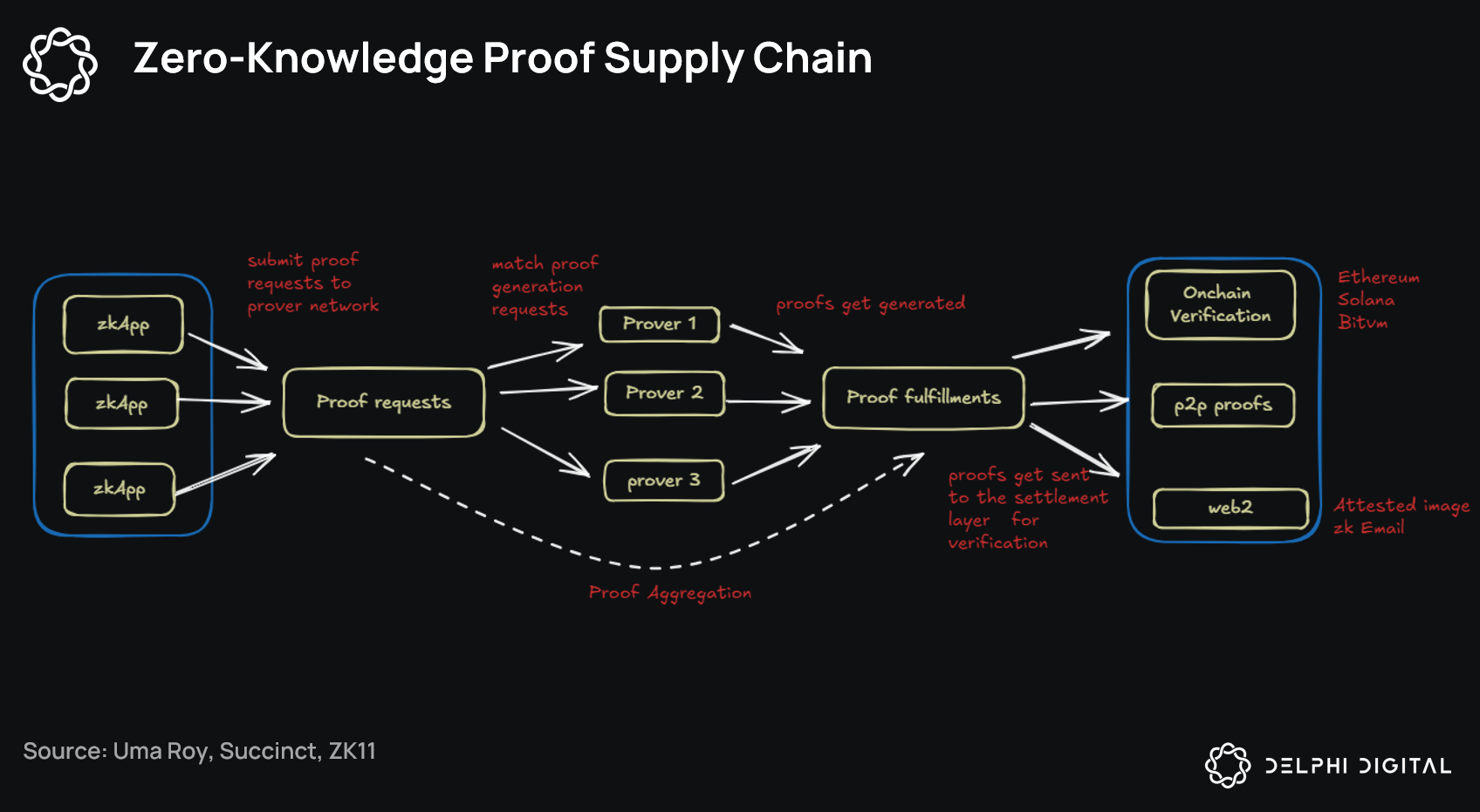
At its core, Humanity Protocol's dual-layer biometrics transmutes palm vein patterns into cryptographic hashes, fed into zkSNARK circuits for proof generation. A user registers once, generating proofs for attributes like age or jurisdiction sans disclosure. zkProofers, its specialized nodes, orchestrate consensus, validating humanity sans central chokepoints. Data from 2026 deployments show 99.9% bot rejection in governed DApps, a quantum leap over wallet signatures.
Top 5 ZK Proof Advantages for PoH
- Absolute Privacy: Zero data leakage; palm biometrics converted to non-reversible ZK templates in Humanity Protocol.
- Infinite Scalability: Succinct proofs enable efficient verification without data exposure, as in Self Protocol faucets.
- Sybil-Proof Uniqueness: Ensures one Human ID per user, preventing duplicates via ZK in Holonym.
- Cross-Chain Interoperability: ZK proofs verifiable across chains like Polygon's zkEVM for Humanity Protocol.
- Cost-Linear vs Attacks: Linear cost for multiple identities, as in Proof of Commitment (arXiv).
This precision matters in governance DAOs, where one-fake-many votes erode legitimacy. ZKPoH ensures quadratic voting aligns with human count, not wallet farms. Self's ZK Residency post-EthDenver 2025 accelerates adoption, arming devs with plug-and-play modules for airdrops and nodes.
Holonym and Beyond: Modular ZK Identity Stacks Gain Traction
Holonym's toolkit slices the problem surgically: decentralized credentials via ZK data handling, access controls via encryption. Integrated in Aztec's testnet as ZKPassport, it mandates human proofs for node ops, fortifying against AI swarms. Proof of Human Intent elevates this, cryptographically timestamping human approvals for software actions provides "Who greenlit this deploy?" answered irrefutably.
Yet, challenges persist. Biometric templates risk correlation if mishandled, though ZK's non-reversibility mitigates. Cognitive oracles like HCO counter with ephemerality, binding challenges to identities for minutes only, leveraging human slowness as a moat. By mid-2026, expect these primitives in 30% of new DApps, per protocol roadmaps, as ZK standards mature via open initiatives.
Real-world deployments underscore the maturity of these systems. Google's Web3 testnet faucets, powered by Self Protocol, distribute tokens exclusively to verified humans, slashing bot claims from 80% to under 5% in early metrics. Aztec Network's ZKPassport integration mandates node operators prove humanity, stabilizing testnet participation against AI floods. These cases quantify zero knowledge humanity verification, where proofs scale to millions without performance drag.
Quantifying Impact: Metrics from 2026 Deployments
Protocols deliver hard numbers. Humanity Protocol's zkProofers achieve 99.9% uptime in consensus, validating 10,000 and daily proofs on Polygon zkEVM. Self's residency yields 50 and DApp integrations, with sybil attack surfaces reduced by 95% per audit reports. Holonym's Human ID module enforces uniqueness via ZK circuits, correlating zero across 1M and wallets. These figures eclipse legacy methods; proof-of-work guzzles 100x energy for equivalent resistance, while stake locks favor whales.
Comparison of Top ZK PoH Projects
| Project | Verification Method | Key Integrations | Sybil Resistance Metrics | Key Features |
|---|---|---|---|---|
| Humanity Protocol | Palm biometrics (ZK proofs) | Polygon zkEVM, zkProofers nodes | 99.9% bot rejection | Privacy-preserving Human ID, non-reversible templates, attribute proofs (age, KYC) |
| Self Protocol | ZK residency proof-of-humanity | Google Web3 Testnet Faucets | 95% sybil reduction | Scalable distributions, user privacy protection, fair token allocation |
| Holonym | Modular credentials (ZK) | Aztec Network, Human Passport | Sybil resistance via conditional encryption | Decentralized identity, ZK data handling, access control |
Academic primitives amplify utility. Proof of Commitment tallies engagement states in real time, imposing linear costs on multiplicity; a single human sustains one identity economically, but farms face exponential penalties. Human Challenge Oracle binds fleeting puzzles to wallets, solvable only by cognitive effort within timeouts, thwarting bots' speed. Integrated into DApps, they fortify governance against vote inflation and airdrop grifts, restoring quadratic fairness.
Academic Foundations Meet Production Realities
Proof of Human Intent adds forensic clarity, embedding human approvals into transaction metadata via ZK. In DAOs, this answers pivotal queries: who endorsed the proposal? No more deniability. zkProof Standards initiative standardizes circuits, easing cross-chain portability. By Q1 2026, interoperability tests link Ethereum L2s to Solana, proving sybil resistant zk identity transcends silos.
Challenges demand nuance. Biometrics invite regulatory scrutiny, yet ZK's zero-knowledge veil neutralizes it; no raw data persists. Oracle centralization risks linger, addressed by decentralized challengers. Scalability tests on zkEVM confirm 1,000 TPS for proofs, ample for Web3's growth. Developers favor these over CAPTCHA farms, citing 10x UX gains.
Forward momentum surges. Self's general availability scales to mainnet airdrops, Humanity Protocol eyes mobile SDKs, Holonym pushes credential marketplaces. ZKProofers evolve into full nodes, blending PoH with PoS for hybrid chains. This ecosystem cements proof of humanity zk snarks as Web3's backbone, where privacy fuels trust. DApps thrive bot-free, governance reflects true consensus, and users wield web3 zk credentials sovereignly. The era of verifiable humans, sans surveillance, arrives precisely on schedule.




No comments yet. Be the first to share your thoughts!