

In the evolving landscape of Web3, where privacy is no longer optional but essential, zkPass zk proofs emerge as a game-changer for bridging Web2 credentials into zero knowledge identity web3 ecosystems. Imagine proving your driver's license or bank statement without exposing a single detail; that's the promise of zkPass, a decentralized oracle protocol that turns everyday HTTPS data into tamper-proof, privacy-preserving credentials. By 2026, as regulatory pressures mount and data breaches proliferate, tools like zkPass aren't just innovative; they are indispensable for anyone serious about web2 credentials zk verification.
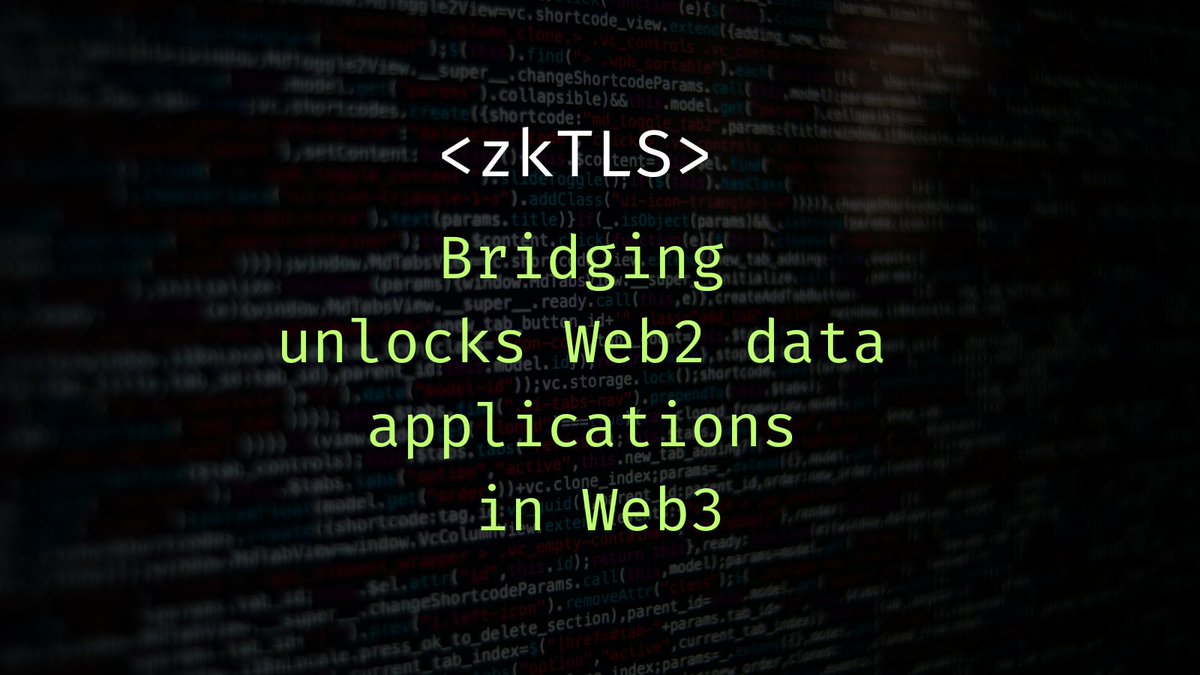
Traditional identity verification forces users to hand over sensitive documents, inviting risks from centralized custodians. zkPass flips this script. Users generate zero-knowledge proofs (ZKPs) locally on their devices, drawing from TLS-secured Web2 sources such as government portals or financial apps. These proofs confirm attributes like age, residency, or creditworthiness without revealing underlying data. This local computation, powered by zkTLS, eliminates trusted third parties and ensures sovereignty over personal information.
Decoding zkTLS: The Core Engine of zkPass
At the heart of zkPass lies zkTLS, a sophisticated fusion of three-party TLS handshakes, multi-party computation (MPC), and interactive zero-knowledge proofs (IZK). Here's how it works in practice: when you connect to an HTTPS site, zkPass orchestrates a secure session where the proof is computed entirely on your end. No server sees your full data; instead, it outputs a compact ZKP verifiable on any blockchain.
This protocol shines in its universality. Whether verifying a utility bill for proof of address or a professional certification for DeFi access, zkTLS authenticates the data's origin and integrity. In my experience covering zk identity solutions at ZKHubs. com, this approach outperforms legacy oracles by sidestepping single points of failure. It's not hype; it's cryptographic rigor enabling privacy preserving credentials at scale.
Local Proof Generation: Empowering Users with Control
One of zkPass's strongest appeals is its user-centric design. Download the zkPass app or integrate its SDK, select your data source, define the attributes to prove, and generate the ZKP offline. Upload it on-chain, and smart contracts verify it instantly. This process supports diverse use cases, from proving employment history without doxxing your resume to confirming healthcare eligibility sans medical records.
Key Steps for zkPass ZK Proofs
- 1. Connect to HTTPS source: Initiate a secure TLS connection to a Web2 data source, like a bank or identity site, to fetch private data without intermediaries.
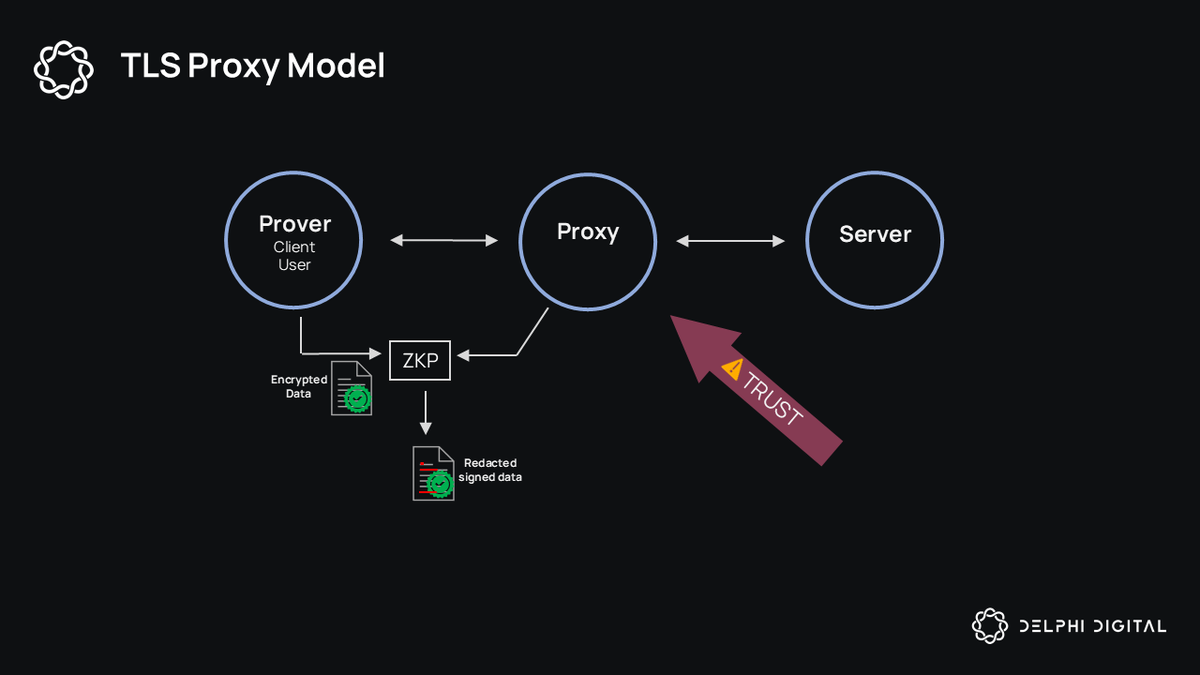
- 2. Define proof attributes: Specify the credentials to prove, such as KYC compliance, financial records, or reputation scores, without revealing underlying data.
- 3. Compute locally with zkTLS: Use zkTLS (three-party TLS, MPC, IZK) on your device to generate the ZKP from the TLS response, ensuring privacy.
- 4. Verify on-chain: Upload the portable ZKP to a blockchain for verification in Web3 apps like DeFi or governance, confirming attributes trustlessly.
Critically, proofs are reusable and portable across ecosystems. Once generated, your ZKP for KYC compliance works in any dApp, reducing friction in Web3 onboarding. This portability addresses a core pain point: siloed credentials. zkPass proofs integrate seamlessly with wallets and protocols, fostering a fluid transition from Web2 life to decentralized identities.
ZK-KYC and Verifiable Reputation: Real Impact in 2026
ZK-KYC represents zkPass's flagship application, allowing platforms to enforce compliance without invasive checks. Prove you're verified by a regulator or bank via ZKP, satisfying AML rules while keeping your ID private. This isn't theoretical; protocols already leverage it for DeFi lending, where borrowers signal solvency sans balance disclosures.
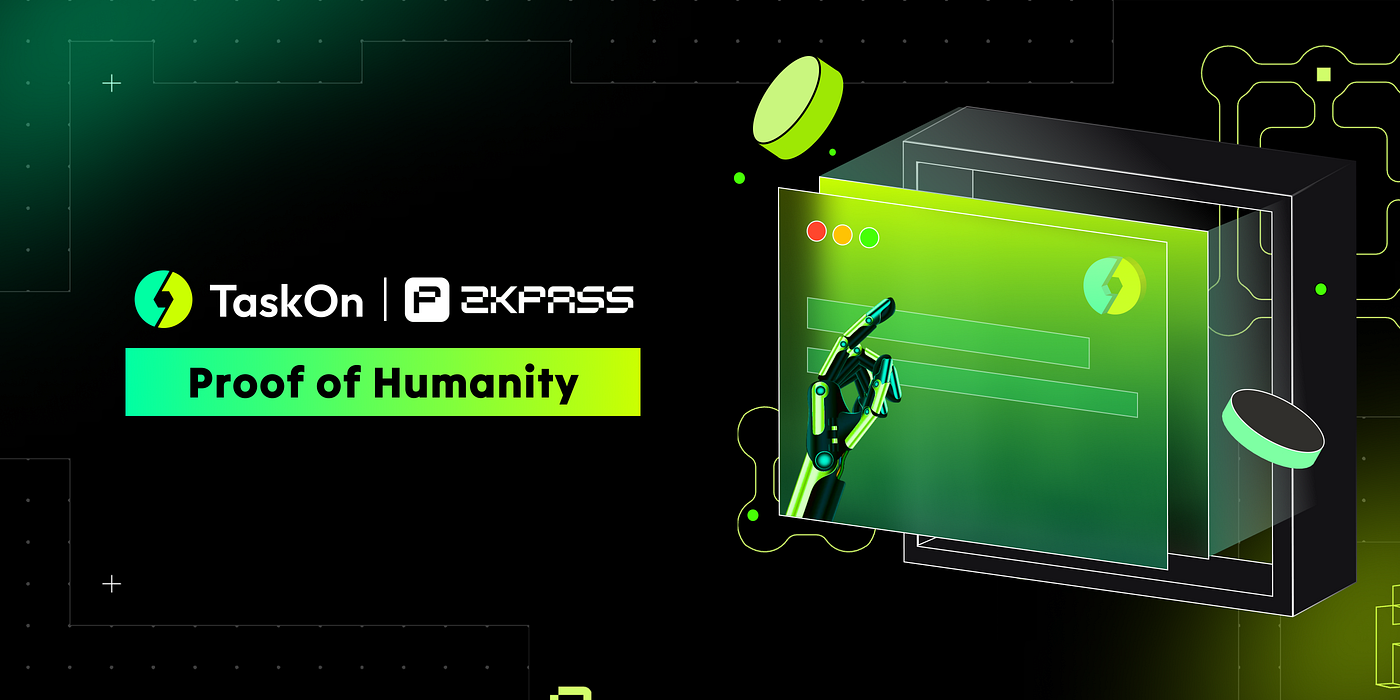
Then there's the Verifiable Reputation Score (VRS), zkPass's innovative metric. VRS aggregates proofs from multiple sources, scoring your digital footprint's completeness and credibility. Higher scores unlock perks like governance voting power or priority airdrops, all shrouded in zero-knowledge. For zk proof of humanity advocates, VRS ties neatly into sybil-resistant systems, rewarding authentic participation without invasive biometrics.
Looking ahead, zkPass's ecosystem integrations signal broader adoption. From social media profiles to academic records, it's building a verifiable internet where Web2 data fuels Web3 trust. Check out deeper dives on zero-knowledge proofs for trustless verification.
Developers find zkPass's SDK intuitive, supporting EVM-compatible chains and mobile integrations that lower barriers for dApps seeking robust identity layers. This momentum positions zkPass as a cornerstone for zero knowledge identity web3, where verifiable data flows freely without privacy trade-offs.
DeFi and Governance: Where zkPass Delivers Tangible Value
In decentralized finance, zkPass proofs enable lenders to assess borrower eligibility through attributes like income brackets or transaction history, all without exposing account details. Picture a protocol that grants loans based solely on a ZKP confirming "credit score above threshold"; that's efficiency meeting compliance. Governance systems benefit too, as VRS scores inform quadratic voting weights, ensuring sybil resistance rooted in real-world proofs rather than token snapshots.
Reputation platforms amplify this further. Social dApps use zkPass to verify media profiles or follower authenticity from Web2 giants, curbing fake engagement. Healthcare dApps prove insurance status for claims processing, while gaming ecosystems confirm age gates via driver's license proofs. Each case underscores zkPass's versatility, turning fragmented Web2 data into a unified, privacy-first identity fabric.
Core zkPass ZK Proof Applications
- DeFi Lending Compliance: Prove creditworthiness and regulatory compliance using zkTLS proofs from financial records, without revealing sensitive data.
- Governance Voting via VRS: Leverage Verifiable Reputation Score (VRS) for privacy-preserving voting, granting higher scores priority access in DAOs.
- Reputation Scoring in Social dApps: Generate VRS from verified Web2 data sources for credible, private reputation in decentralized social platforms.

- Healthcare Eligibility Proofs: Verify eligibility for services or insurance using ZK proofs of health records, maintaining patient privacy.
From a risk management lens honed over years in portfolios, zkPass mirrors diversification: spreading verification across sources minimizes exposure to any single failure. Platforms adopting it gain not just compliance but a competitive moat against data-hungry rivals.
Navigating Challenges: Security, Scalability, and Adoption Hurdles
No technology is flawless. zkTLS's computational intensity demands capable hardware, though optimizations like zkPass's MPC layers mitigate this for most users. Verifier trust relies on on-chain circuits, which audits from top firms validate, yet quantum threats loom distant. Scalability improves with layer-2 rollups, where proof aggregation slashes gas fees.
Adoption hinges on education; users must grasp proof circuits to avoid misconfigurations. Still, zkPass's open-source ethos and grants program accelerate this. In 2026, as regulators eye Web3, zkPass's portable compliance proofs could preempt mandates, much like how Basel accords shaped banking resilience.
Integrating zkPass into wallets enhances self-sovereign control, as explored in resources on ZK identity wallets.
Hands-On: Generating Your First zkPass Proof
Unlock Privacy-Preserving Proofs: zkPass Step-by-Step Guide
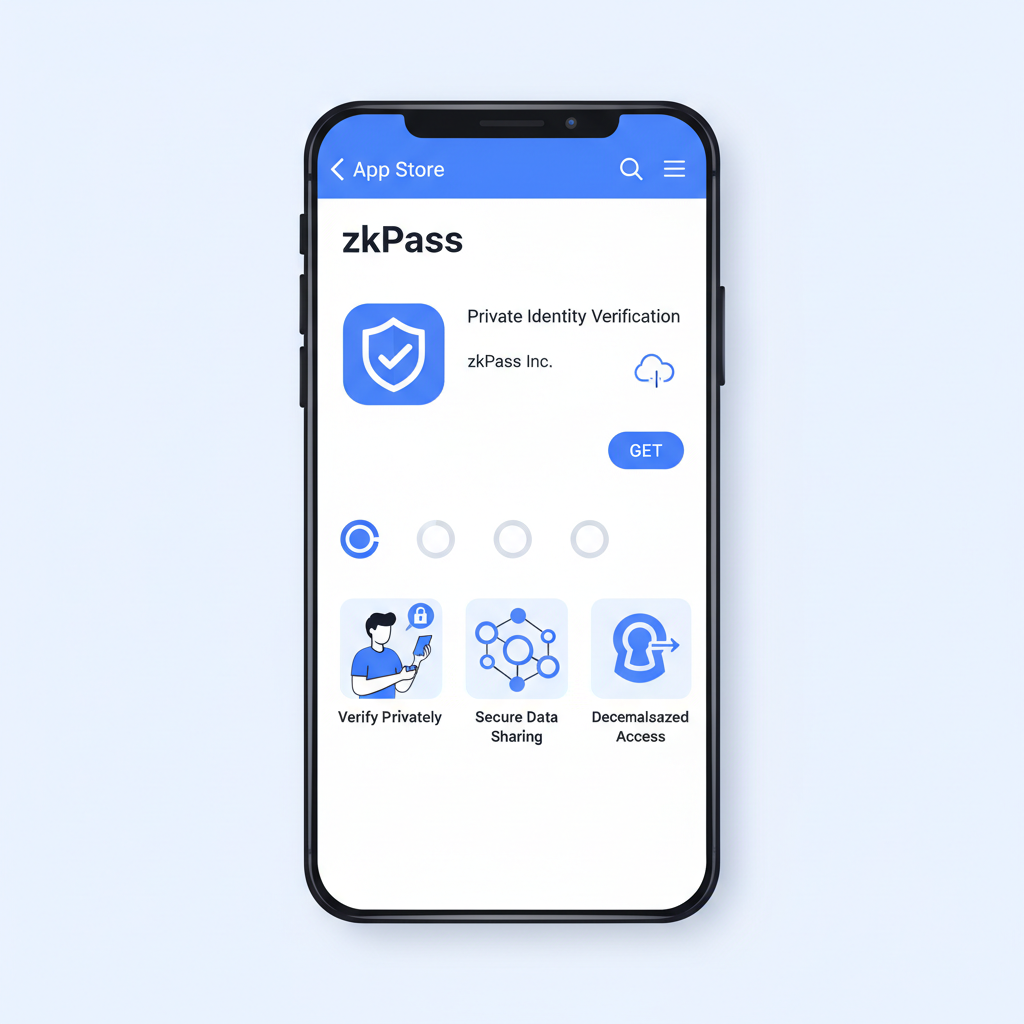
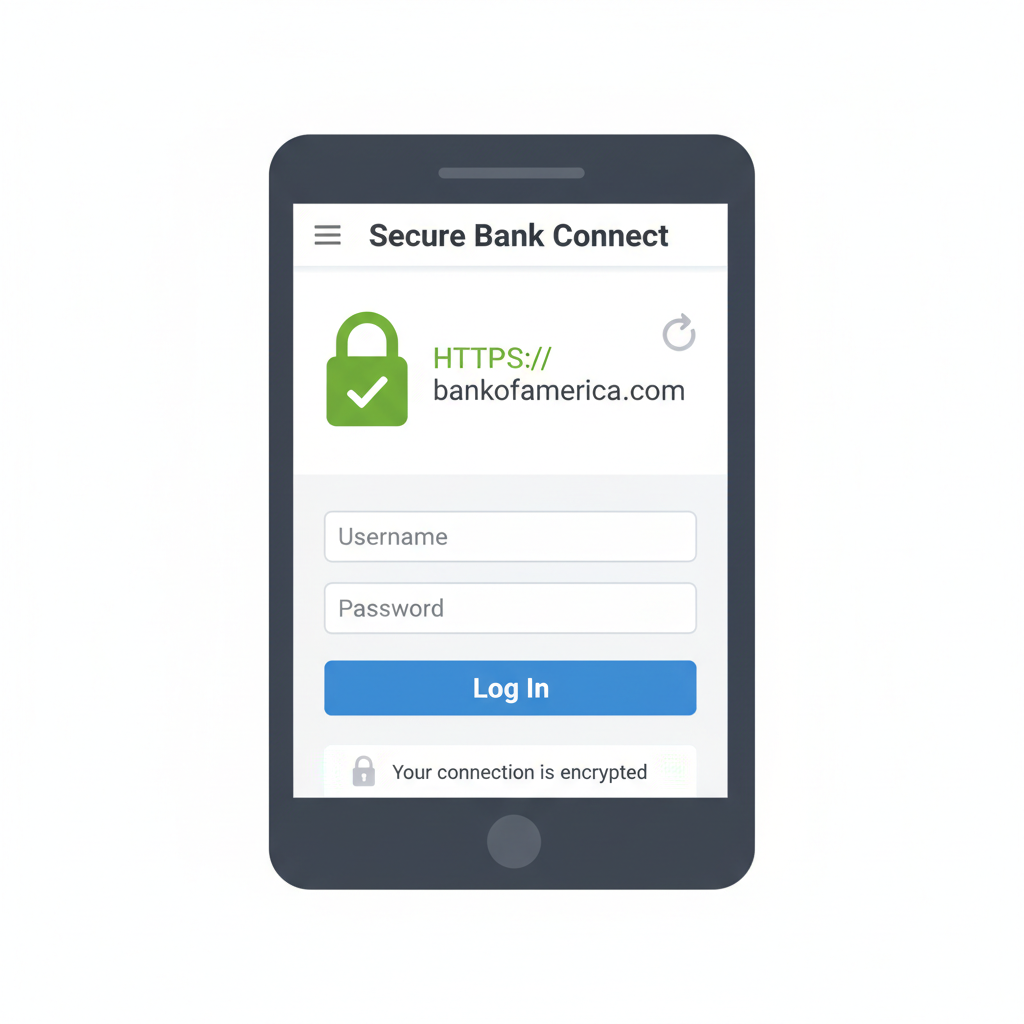
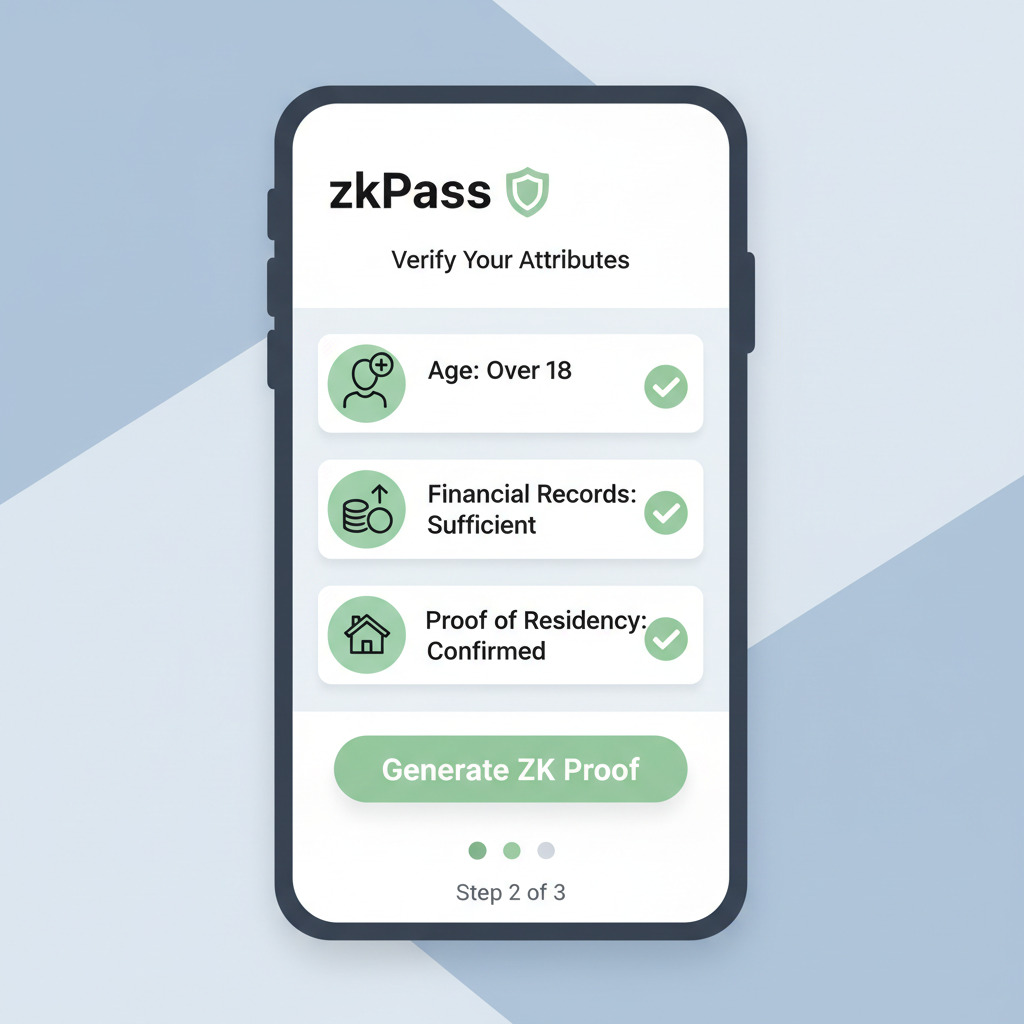
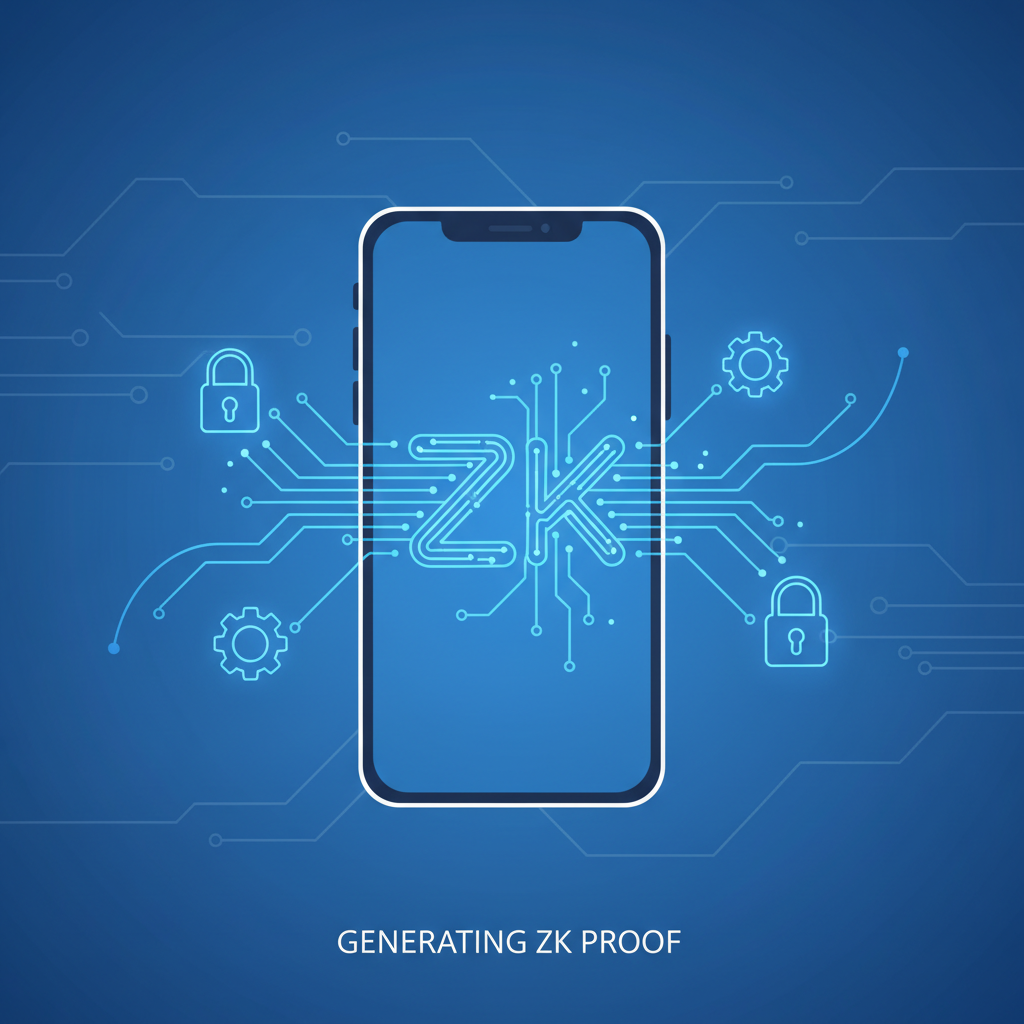
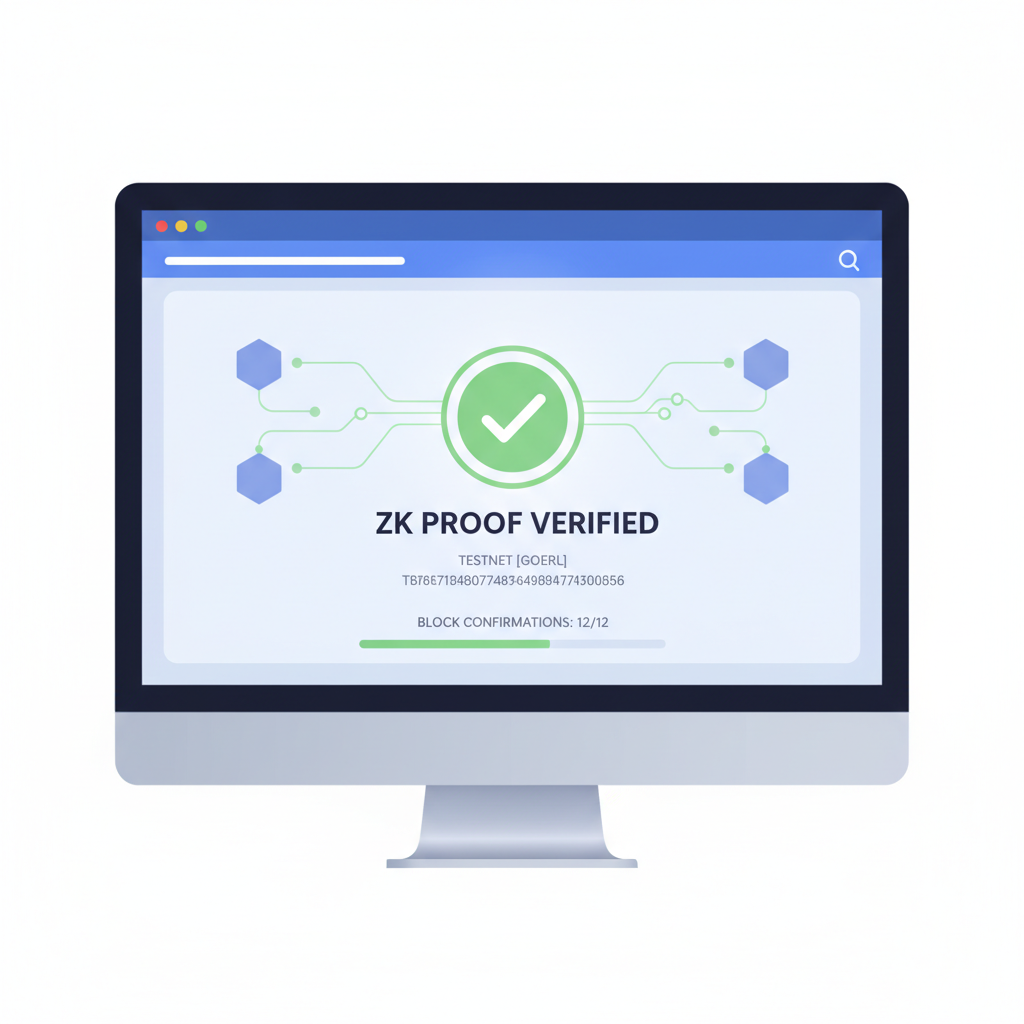
Follow these steps, and you'll hold a reusable credential proving Web2 ties without leaks. For builders, the SDK docs guide dApp hooks, from proof requests to on-chain assertions.
Answering Key Questions: zkPass Essentials
These mechanics reveal zkPass's depth, blending cryptography with usability. As Web3 matures, expect zkPass to underpin hybrid systems where Web2 legacies empower decentralized futures. Privacy-preserving credentials aren't a luxury; they're the bedrock of equitable access, rewarding genuine users in an era of rampant impersonation. ZKHubs. com champions such innovations, equipping developers to build trust without compromise.




No comments yet. Be the first to share your thoughts!