

In Web3's decentralized ecosystems, distinguishing genuine humans from bots and Sybils demands innovative solutions. Enter ZK proofs for proof-of-humanity, cryptographic primitives that verify human uniqueness without revealing personal details. This zero knowledge proof human verification approach addresses core vulnerabilities in blockchain networks, where pseudonymity often invites exploitation. Projects leveraging proof of humanity ZK promise scalable, privacy-preserving authentication, yet their success hinges on robust implementation amid evolving threats.
Traditional identity systems rely on centralized databases or invasive biometrics, exposing users to surveillance risks. ZK technology flips this script: a prover demonstrates a statement's truth - like 'I am a unique human' - while the verifier learns nothing beyond validity. In practice, this means palm scans or credential proofs transformed into succinct proofs, shareable across dApps without data leakage. Cautiously, we must note that while mathematically sound, real-world deployments face edge cases like proof forgery or oracle dependencies.
Core Mechanics of ZK Proofs in Human Verification
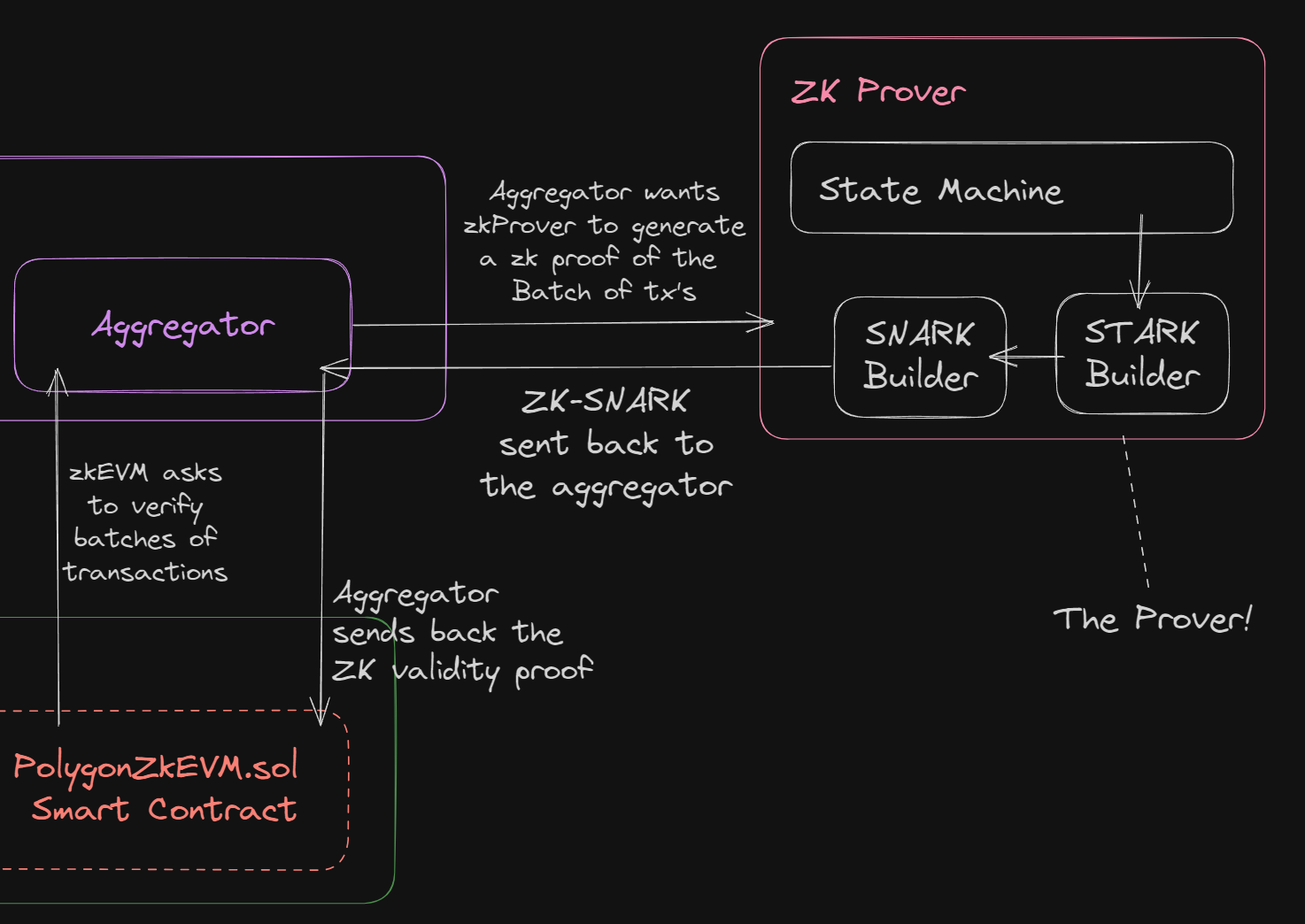
Zero-knowledge proofs operate via interactive protocols, evolved into non-interactive forms like zk-SNARKs or zk-STARKs for blockchain efficiency. For Web3 proof of humanity, the workflow starts with a biometric input or multi-factor signal, hashed into a commitment. Users generate a proof attesting to uniqueness against a global registry, often on Polygon zkEVM or zkSync for low costs. Humanity Protocol exemplifies this: its dual-layer palm recognition yields ZKPs, relayed by decentralized zkProofers incentivized via $H tokens. This setup resists Sybil attacks, as duplicate enrollments fail cryptographic checks.
Key ZK PoH Features
- Privacy Preservation: ZKPs verify humanity without exposing data, e.g., Humanity Protocol's palm biometrics and zkTLS proofs.
- Sybil Resistance: Decentralized verifiers like Humanity Protocol's zkProofers block fake accounts without doxxing.

- Cross-Chain Compatibility: Works across ecosystems like Polygon zkEVM, zkSync, and Ethereum via Aave integration.
- Token-Incentivized Verification: Rewards like $H tokens motivate zkProofers for secure, privacy-focused validation.
zkTLS integration further extends utility, letting users prove Web2 attributes - employment via LinkedIn, education credentials - sans exposure. Aave's adoption underscores DeFi appeal: verified humans unlock yield boosts, curbing whale dominance. Analytically, these gains are compelling, but scalability remains a concern; proof generation demands computational heft, potentially sidelining low-end devices unless Layer 2 optimizations mature.
Prominent Implementations and Their Tradeoffs
Humanity Protocol leads with biometric-ZK fusion, operating a verifier network that stakes on proof validity. Faulty zkProofers risk slashing, aligning incentives for honesty. Proof of Humanity, conversely, uses social vouching: profiles submitted, vetted by community, yielding a UBI-eligible registry. While battle-tested, it scales linearly with trust assumptions, less automated than pure ZK.
zkMe's zkKYC targets compliance-heavy sectors, proving age or citizenship via ZKPs atop FATF standards. This balances regulatory nods with privacy, vital as Web3 eyes institutional inflows. Yet, reliance on off-chain oracles introduces centralization vectors, a cautionary note for purists.
Navigating Alternatives in Proof-of-Personhood Landscape
Alchemy's Dapp Store highlights competitors: Gitcoin Passport aggregates stamps from GitHub, Polygon ID; Holonym eyes superseding with vast proof volumes; Idena and BrightID pioneer neural mining or web-of-trust. Proof of Passport offers privacy-preserving document proofs, while Alien's non-biometric dApp sidesteps storage pitfalls. These anonymous human proof ZK contenders diversify tactics - biometrics, social graphs, semantics - but ZK unifies them via ZK identity credentials.
Opinionated view: Biometric-heavy paths like Humanity intrigue for uniqueness but court liveness detection flaws; hybrid models blending ZK with light signals may prevail long-term. As adoption swells - Aave's yield incentives signal momentum - interoperability via standards like ERC-7632 will dictate winners. Investors and builders should scrutinize tokenomics and audit trails before committing.
Regulatory scrutiny looms large over biometric-tied systems, where even ZK wrappers cannot fully erase data breach anxieties. zkKYC solutions like zkMe navigate this by compartmentalizing proofs, yet FATF compliance demands vigilant auditing to prevent backdoor revelations. Cautiously, over-reliance on decentralized verifiers risks collusion; slashing mechanisms help, but game-theoretic equilibria are unproven at scale.
Comparative Analysis of Leading ZK Proof-of-Humanity Platforms
Comparison of Top Proof-of-Personhood Tools
| Tool | Verification Method | Privacy Level | Scalability | Key Strengths | ZK Integration |
|---|---|---|---|---|---|
| Humanity Protocol | Biometric ZK (Palm Recognition) | High 🛡️ | High 🚀 | Privacy-preserving PoH, zkTLS for Web2-Web3 bridging, Sybil-resistant | Yes (biometric ZK, zkProofers) |
| Proof of Humanity | Social Vouching | Medium 🔒 | Medium ⚡ | Decentralized registry of verified humans | No |
| zkMe | zkKYC | High 🛡️ | Medium ⚡ | FATF-compliant, prove attributes like age/citizenship | Yes (zkKYC) |
| Gitcoin Passport | Stamp Aggregation | High 🛡️ | High 🚀 | Developer-friendly, no doxxing | Partial (aggregates proofs) |
| Holonym | ZK Proofs Aggregation | High 🛡️ | High 🚀 | Web3-native, vast identity proofs, acquired Gitcoin Passport | Yes (ZK verification) |
Holonym's acquisition of Gitcoin Passport positions it as a heavyweight, targeting identity proofs dwarfing Worldcoin's scope through aggregated signals. Polygon ID and BrightID complement with selective disclosure, proving attributes like age without full humanity stamps. Idena's neural mining adds behavioral uniqueness, while Alien's semantic verification avoids biometrics altogether. Analytically, no single approach dominates; zk identity credentials shine in interoperability, but hybrid stacks - ZK atop social proofs - mitigate individual weaknesses. Worldcoin's orb scans draw ethical fire, underscoring ZK's appeal for non-invasive paths.
DeFi integrations accelerate momentum. Aave's yield premiums for verified humans exemplify practical incentives, fostering fair governance without doxxing. QuickNode forecasts ZK identity among top applications by 2026, alongside scalability boosts. Yet, proof aggregation burdens wallets; zkSync and Polygon zkEVM alleviate this, but gas spikes during peaks test resilience.
PoH Alternatives Tradeoffs
- Biometrics (Worldcoin): Unique via iris scans but invasive, risking data exposure.

- Social vouching (Proof of Humanity): Trust-based verification, scales slowly via community checks.
- Semantic/behavioral (Gitcoin Passport): Low-friction stamps from GitHub etc., but spoofable with fakes.
- ZK hybrids (Humanity Protocol): Balances privacy-performance with palm ZK proofs.

From an investment lens, tokenomics warrant dissection. Humanity's $H rewards zkProofers effectively, but dilution risks shadow UBI ambitions in Proof of Humanity. Humanode and Human Passport push semantic frontiers, potentially outpacing pure biometrics if liveness tech falters. Opinionated take: Prioritize protocols with audited zkTLS bridges, as Web2-Web3 convergence unlocks mass adoption. ERC-7632-like standards will consolidate Web3 proof of humanity, rewarding early interoperability.
Strategic Imperatives for Builders and Users
Builders should embed proof of humanity ZK natively, starting with optional stamps for airdrops or voting. Users gain leverage by stacking credentials - GitHub via Passport, palm via Humanity - into composable ZKPs. Cautiously, audit circuits rigorously; Semaphore or Macaroons offer battle-tested primitives. Galaxy Research dubs ZK the 'magic key' to identity privacy, a mantle projects must earn through transparency.
Alchemy's curated lists reveal a maturing ecosystem: eight proof-of-personhood tools span chains, from zkSync wallets like Argent proving humanity indirectly. Humanode contrasts SRGATE logins by emphasizing dev skills sans doxxing. As 2026 unfolds, zero knowledge proof human verification evolves from niche to necessity, fortifying Web3 against AI swarms. Discipline favors protocols blending caution with innovation, where privacy yields enduring value.




No comments yet. Be the first to share your thoughts!