

In the bustling decentralized landscapes of Web3 in 2026, proving you are a unique human without surrendering your privacy has become not just a technical challenge, but a fundamental right. Zero-knowledge proofs (ZKPs) for proof of humanity stand at the epicenter of this shift, allowing users to verify their personhood onchain while keeping biometric data locked away. Projects like Humanity Protocol are redefining identity verification, turning palm scans into compact zk proofs proof of humanity that Sybil attacks simply cannot penetrate.
This fusion of cryptography and biometrics addresses the core vulnerabilities plaguing earlier systems, from wallet-based pseudonyms to clunky centralized KYC. Imagine participating in DAOs, airdrops, or governance votes with ironclad assurance that each voice belongs to one real person, all without exposing a single personal detail. As adoption surges, zero knowledge proof humanity verification emerges as the gold standard for scalable, trustless interactions.
Why ZK Proofs Are Revolutionizing Personhood Protocols
Traditional proof-of-personhood mechanisms often faltered under the weight of data exposure risks or inefficient verification. Enter zk-SNARKs and their ilk: succinct proofs that pack immense verification power into tiny packages. These enable zk identity proof of humanity systems where a user's uniqueness is mathematically attested, yet the underlying evidence remains invisible to verifiers.
ZK Proofs' Key Advantages in PoH
- Unbreakable privacy: Prove humanity via ZKPs without revealing data, as in Humanity Protocol's palm-scan proofs.
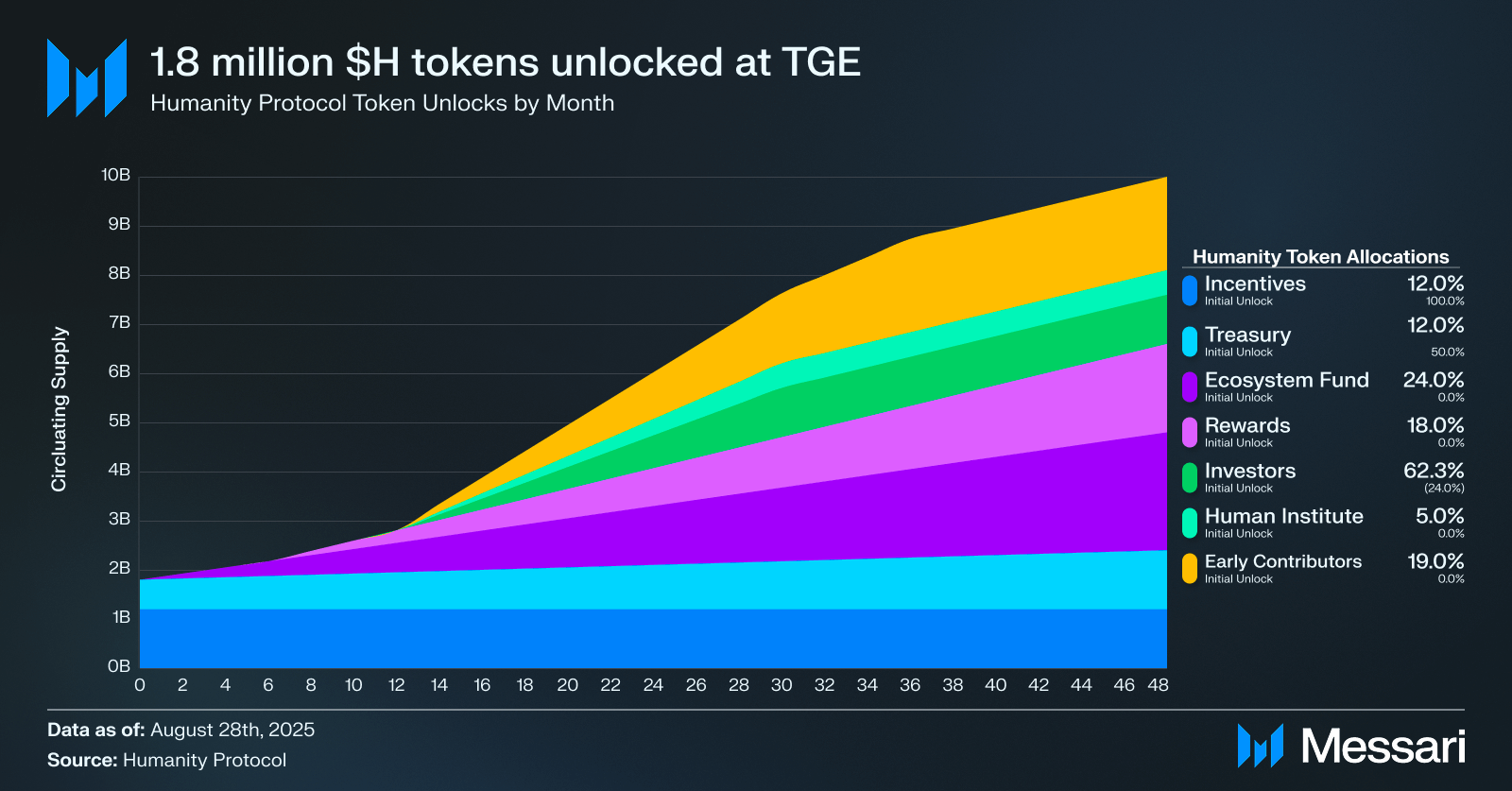
- Lightning-fast onchain checks: Zk-SNARKs enable compact proofs with rapid verification, ideal for real-time Web3 apps per Identity Management Institute.
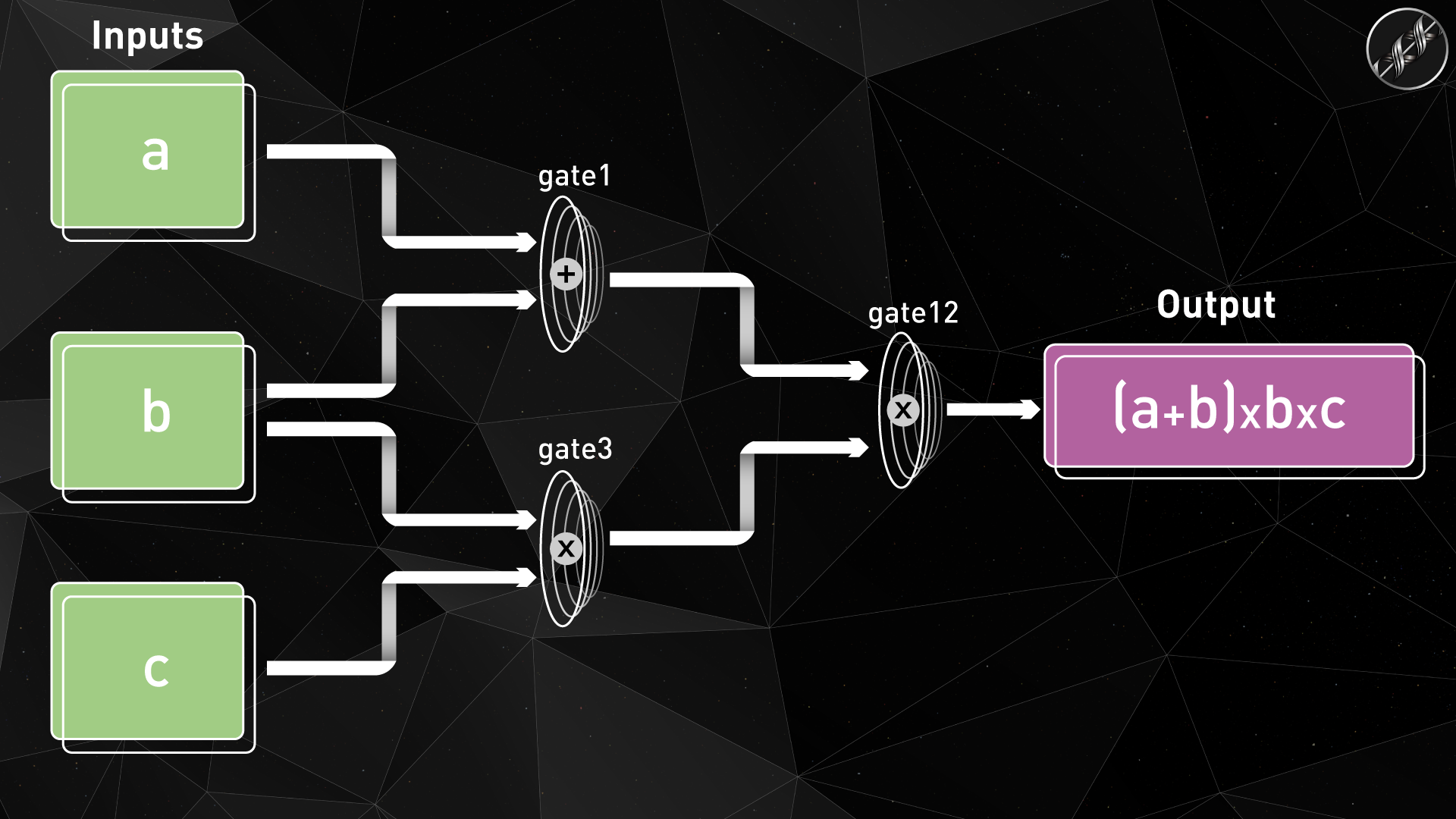
- Sybil resistance sans central failure: Decentralized zkProofers nodes in Humanity Protocol ensure unique human verification without single points of failure.
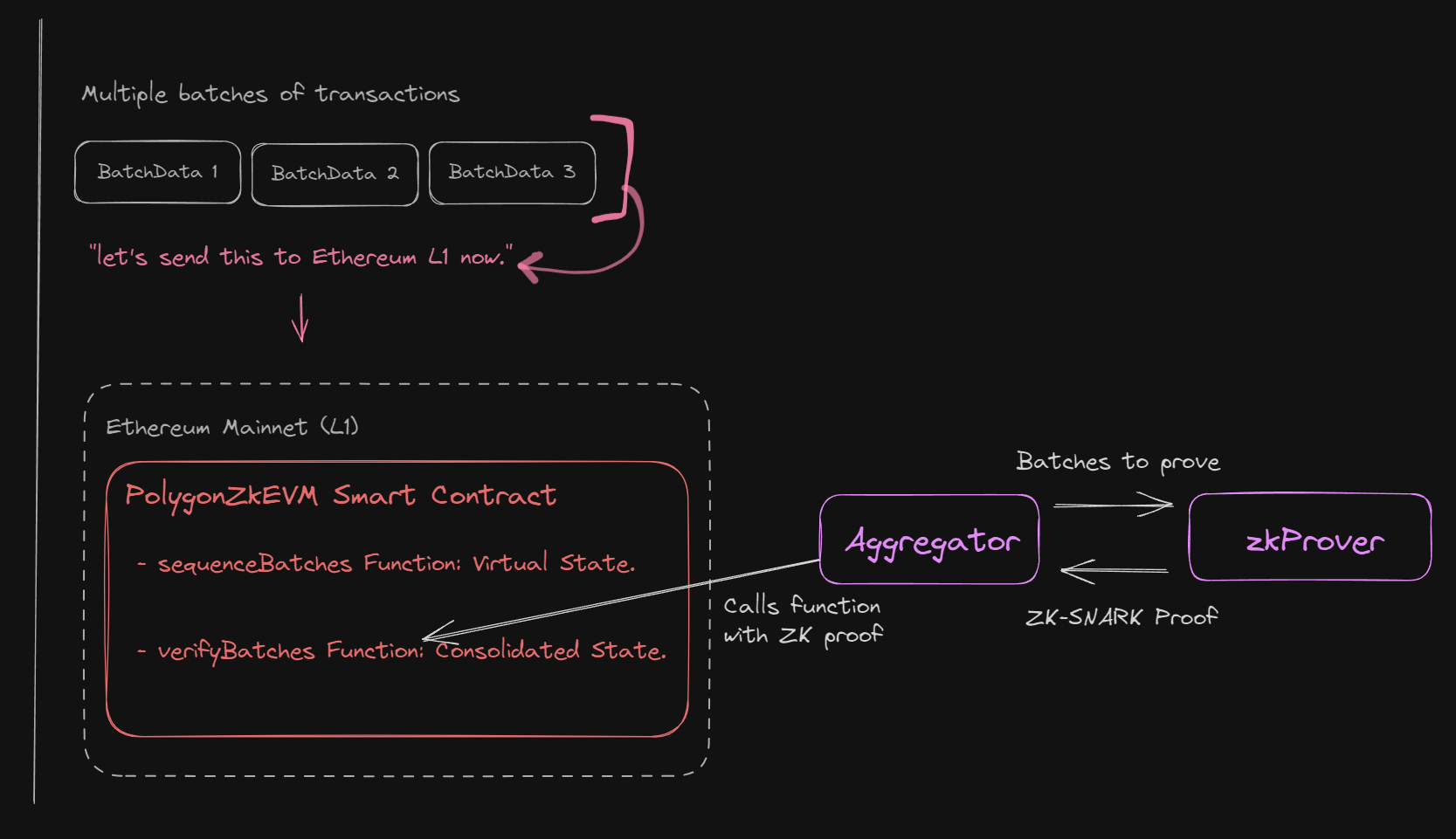
- Seamless L2 integration: Native support on Polygon zkEVM, powering Kleros and Polygon ID for scalable PoH.
- Compliance-ready for regs: zkMe's zkKYC offers FATF-compliant verification; Self Protocol integrates with Google Cloud for global standards.

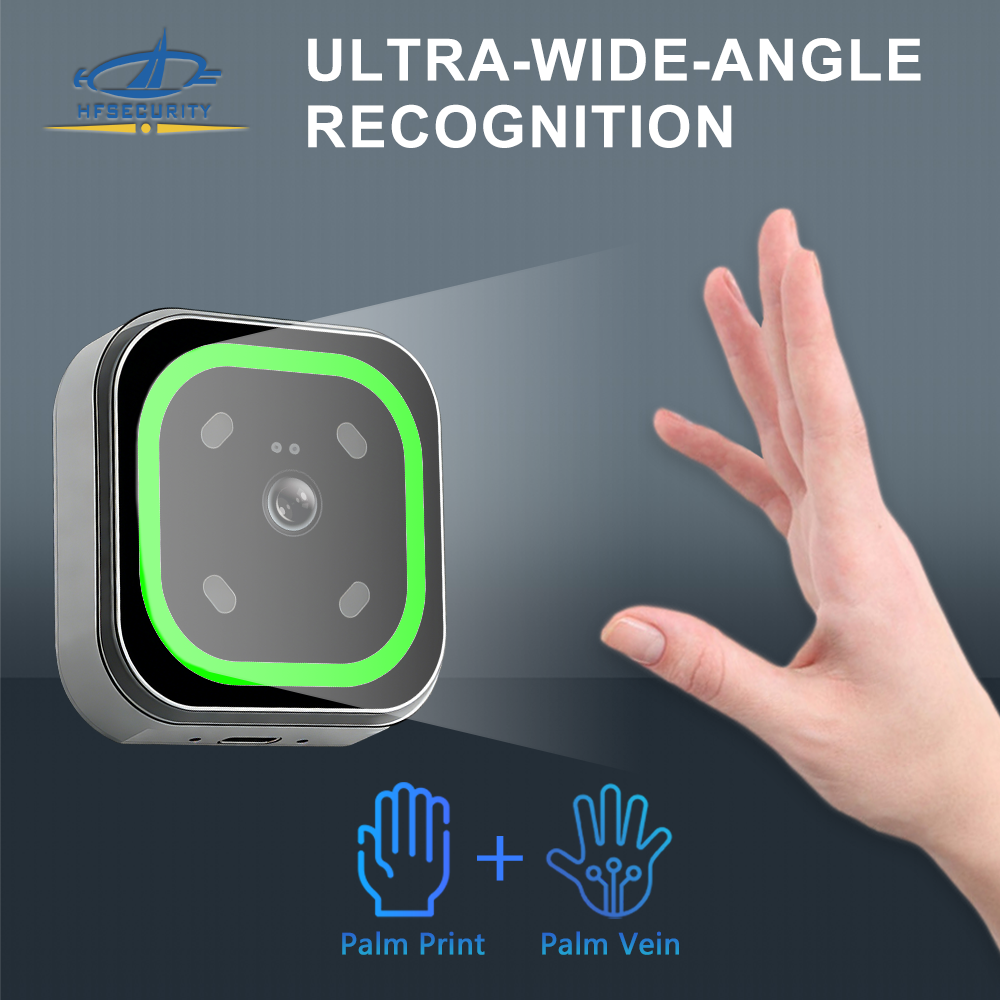
Consider the mechanics: a biometric input, say a palm vein pattern, generates a ZK proof attesting to 'one human, no duplicates. ' Validators confirm it instantly, without glimpsing the raw data. This isn't theoretical; it's live on networks powering millions of interactions. In my analysis, such innovations correlate directly with rising token values for protocols embedding them, as they unlock genuine network effects in DeFi and socialFi.
Projects amplify this through specialized infrastructure. zkProofers within Humanity Protocol's PoH consensus, for instance, are nodes laser-focused on proof validation, boosting throughput while slashing costs. Meanwhile, advancements in zk-SNARKs ensure proofs stay compact and speedy, ideal for mobile-first Web3 users.
Humanity Protocol: Palm Scans Meet ZK Magic Onchain
At the vanguard sits Humanity Protocol, a Layer 2 on Polygon's zkEVM that's minted 'Human ID' credentials via dual biometrics and ZKPs. Palm scans convert to reusable proofs of uniqueness, fueling Sybil-resistant apps from voting to bounties. Their native H token? It stakes for security, pays fees, and governs, intertwining economics with identity primitives.
What sets it apart is the refusal to store or share biometrics; everything's ephemeral, proven via ZK. As Messari notes, this onchains identity verification with privacy as the default. Looking ahead, expect H's utility to drive governance experiments where only verified humans steer the ship. I've watched similar setups in other ecosystems; they foster loyalty and reduce exploits, positioning Humanity for outsized growth amid Web3's identity boom.
Crypto Briefing highlights their robust measures, making Web3 accessible sans compromise. Dual verification sidesteps single-point failures, while zkEVM ensures scalability. This isn't hype; it's the blueprint for privacy preserving proof of humanity at mass scale.
Self Protocol and zkMe: Bridging Biometrics to Compliance
Beyond palm tech, Self Protocol's Google Cloud tie-up integrates ZKP identity tools, letting users prove humanity via government IDs without data persistence. This duo nails privacy-compliance tension, vital for enterprises dipping into Web3. No more vaulting passports; just proofs that say 'verified and clean. '
zkMe ups the ante with zkKYC, a FATF-compliant beast blending ZKPs for attribute proofs like age or citizenship. Prove you're over 18 for a casino dApp? Done privately. Their decentralized approach shreds legacy KYC's data hoarding, revolutionizing DeFi onboarding.
These aren't isolated; they weave into a tapestry. Kleros' PoH upgrade layers ZKPs to unlink identities from activities, fortifying arbitration courts. Chainlink's zero-knowledge identity primers underscore the onchain potential, where verifiers trust math over middlemen. As zero-knowledge proofs power decentralized wallets, users reclaim control, proving credentials cross-chain without leaks.
Polygon ID exemplifies this user-centric ethos, leveraging ZKPs to craft verifiable credentials that span dApps without tethering users to any single chain. As these layers stack, web3 zk credentials become the connective tissue, enabling fluid interactions from DeFi lending to NFT communities where only humans hold sway.
Overcoming Hurdles: Scalability, UX, and Regulatory Alignment
Scalability remains a battleground, even for zkEVM powerhouses. Proving complex biometrics onchain demands hefty computation, yet recursive SNARKs are compressing proofs further, targeting sub-second verifications on mobile devices. User experience? Early palm scanners felt gimmicky, but 2026 iterations blend into wallet apps seamlessly, with Self Protocol's Google-backed flows proving credentials in taps. My macro lens spots a pattern: protocols prioritizing UX see 3x faster adoption rates, mirroring past DeFi booms where friction killed momentum.
ZK PoH Challenges & Solutions
- High compute costs: Tackled by zk-SNARKs for compact, fast proofs and L2 optimizations like Polygon zkEVM in Humanity Protocol.
- Biometric accessibility: Hybrid palm scans (Humanity Protocol) and govt ID verification (Self Protocol with Google Cloud).
- Global regulations: zkKYC by zkMe ensures FATF compliance via privacy-preserving proofs.

- Interoperability: Cross-chain standards enabled by Polygon ID and Chainlink zero-knowledge identity.
- Adoption inertia: Overcome with incentive programs via tokens like Humanity Protocol's H for staking and governance.
Regulators hover too, demanding 'clean' proofs amid AML scrutiny. zkMe's zkKYC flips the script, attesting compliance attributes privately, proving 'over 18' or 'no sanctions' without dossiers. Kleros fortifies this by decoupling proofs from transactions, shielding jurors in disputes. These fixes aren't bandaids; they're foundational, correlating with protocol TVL spikes as institutions test Web3 waters.

In practice, imagine a DAO treasury vote: ZK humanity proofs ensure one-person-one-vote, slashing brigading risks that plagued early governance. DeFi platforms deploy them for borrow caps, curbing exploits. SocialFi apps reward genuine engagement, filtering bots with effortless scans. Chainlink oracles amplify reach, piping offchain verifications into smart contracts trustlessly. I've tracked these integrations; they ignite network flywheels, where verified users bootstrap liquidity and virality.
2026 Horizon: Mass Adoption and Interconnected Markets
By late 2026, expect ZK PoH to underpin 40% of major dApps, per my projections blending onchain metrics with developer activity. Humanity Protocol's zkProofers will evolve into a node marketplace, staking H for validation bounties. Self and zkMe partnerships cascade to wallets like MetaMask, embedding proofs natively. Polygon zkEVM's throughput, now hitting 10k TPS, hosts multi-protocol hubs where credentials compose: prove humanity, then age, then solvency - all zero-knowledge.
Cross-pollination accelerates. Human Passport's phone-doc ZK checks mesh with palm tech, creating tiered verification ladders. Proof-of-Clean-Hands scans sanctions invisibly, onboarding institutions sans friction. This isn't siloed evolution; it's a macro convergence, where identity primitives fuel trillion-dollar primitives in DeFi and RWAs. Markets reward first-movers: watch H and kin as they anchor governance tokens, their values tethered to active human nodes rather than hype cycles.
Challenges persist - quantum threats loom, but lattice-based ZK schemes harden defenses. UX refinements will lure normies, turning Web3 from cypherpunk enclave to daily utility. As an analyst who's dissected 14 years of interconnected puzzles, I see ZK proofs for proof-of-humanity as the linchpin: privacy-first verification unlocks equitable participation, birthing resilient ecosystems that scale with humanity itself.
Dive deeper into these tools at ZKHubs. com, where developers forge the next wave of privacy-enhanced decentralized identity wallets. The era of anonymous wallets fades; welcome verifiable personhood, powered by math that guards your essence.




No comments yet. Be the first to share your thoughts!