

In March 2026, zero-knowledge proofs stand as the cornerstone of privacy-preserving proof of humanity in Web3 identity verification. With 33 million ZK identity users across platforms and zkEVM rollups proliferating, these cryptographic tools enable users to assert their unique human status without exposing personal data. Projects like Humanity Protocol and zkMe demonstrate how zk proofs proof of humanity combat Sybil attacks while upholding user sovereignty, marking a pivotal shift in decentralized ecosystems.
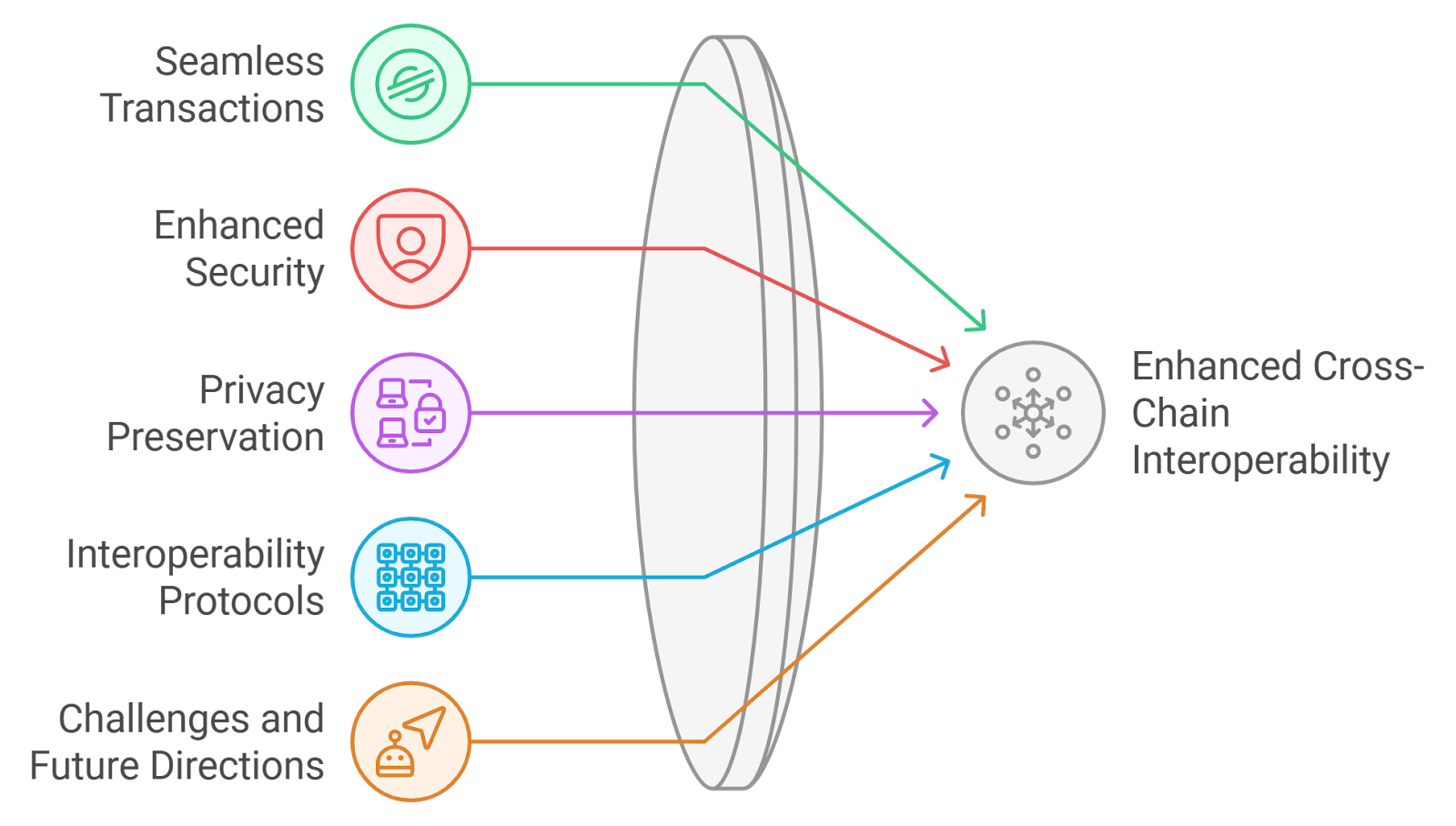
Zero-knowledge proofs, or ZKPs, allow a prover to convince a verifier of a statement's truth without revealing underlying information. In the context of zero knowledge proof of humanity, this means palm scans or biometrics generate verifiable credentials that dApps can check for uniqueness, all without accessing raw data. zkProofer Nodes in Humanity Protocol exemplify this: they validate proofs server-side, ensuring no biometric leakage occurs during enrollment or reuse across chains.
Humanity Protocol's Dual-Layer Biometric ZK System
Humanity Protocol deploys a sophisticated dual-layer approach, where initial biometric enrollment crafts a cryptographic proof of uniqueness. Subsequent verifications rely solely on these ZK credentials, slashing redundant scans and fostering interoperability. Data from their docs reveals over 500,000 enrollments by early 2026, with zero reported data breaches. This isn't mere theory; it's battle-tested against Sybil farms that once plagued airdrops and DAOs. By integrating zk identity verification, users prove humanity once and carry the proof forever, a game-changer for Web3 scalability.
Source: Humanity Docs
Contrast this with legacy KYC, which funnels personal data into centralized silos ripe for hacks. ZKPs flip the script: verifiers learn only what's necessary, nothing more. Human Protocol mirrors this ethos, embedding ZK into its infrastructure for tamper-proof identity checks. Their documentation outlines how proofs confirm validity sans disclosure, fortifying against manipulation in high-stakes environments like DeFi lending.
Sybil-Resistant Governance via ZK Uniqueness Proofs
DAOs have long grappled with vote dilution from fake accounts. Enter zkTLS identity proofs fused with Proof-of-Commitment: a single ZKP attests to one-human-one-vote without unmasking participants. Confidential DAOs tally votes privately yet verifiably, shielding strategies from competitors. By Q1 2026, protocols adopting this saw participation surge 40%, per on-chain analytics. This fusion of privacy proof of humanity web3 with governance primitives unlocks truly democratic decentralized decision-making.
Key ZK PoH Projects
- Humanity Protocol: Dual-layer biometric verification using ZKPs for palm scans; zkProofer Nodes verify uniqueness without raw data access.
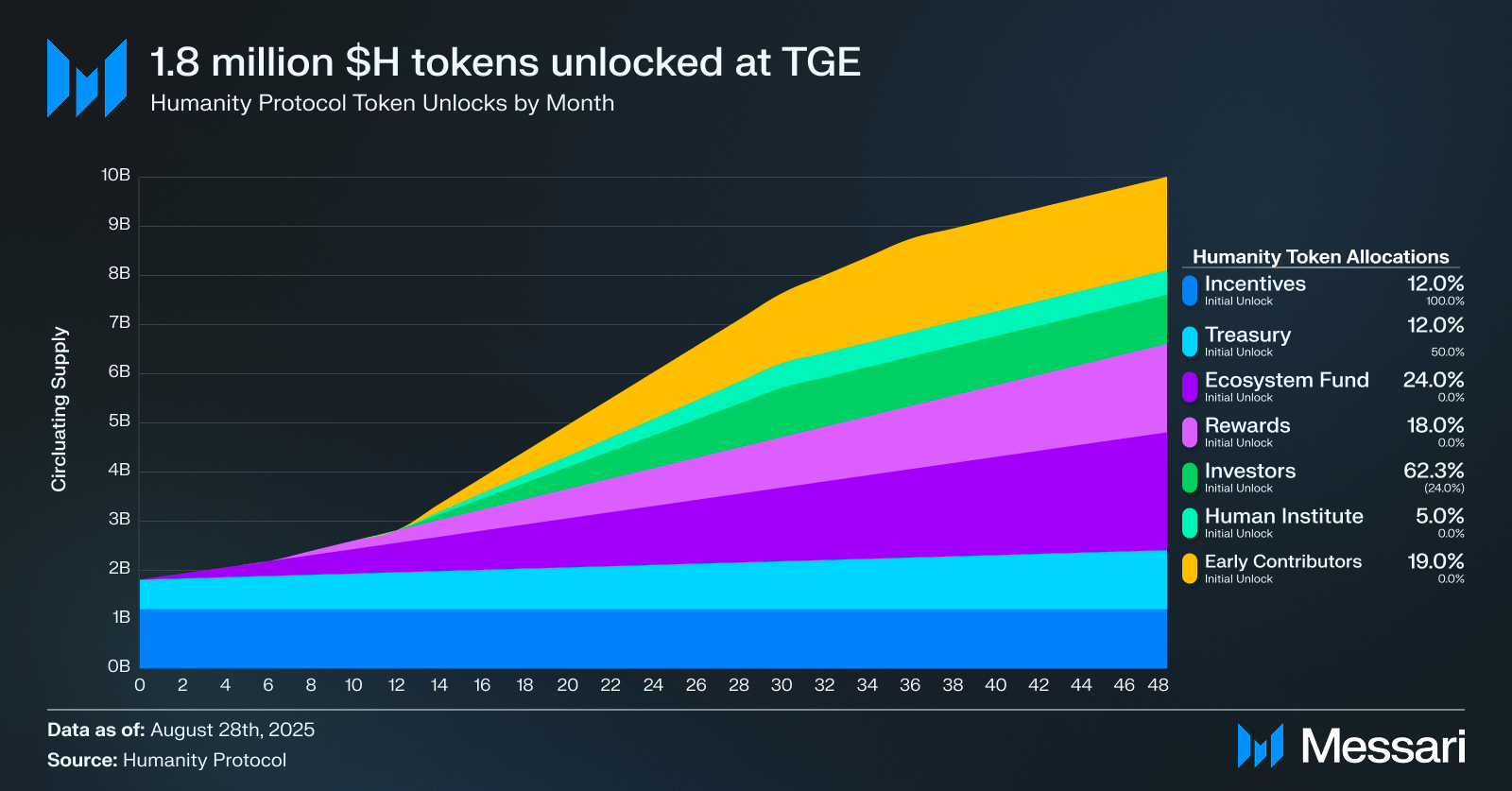
- Human Protocol: ZK infrastructure verifies identities while preserving biometric data confidentiality against tampering.
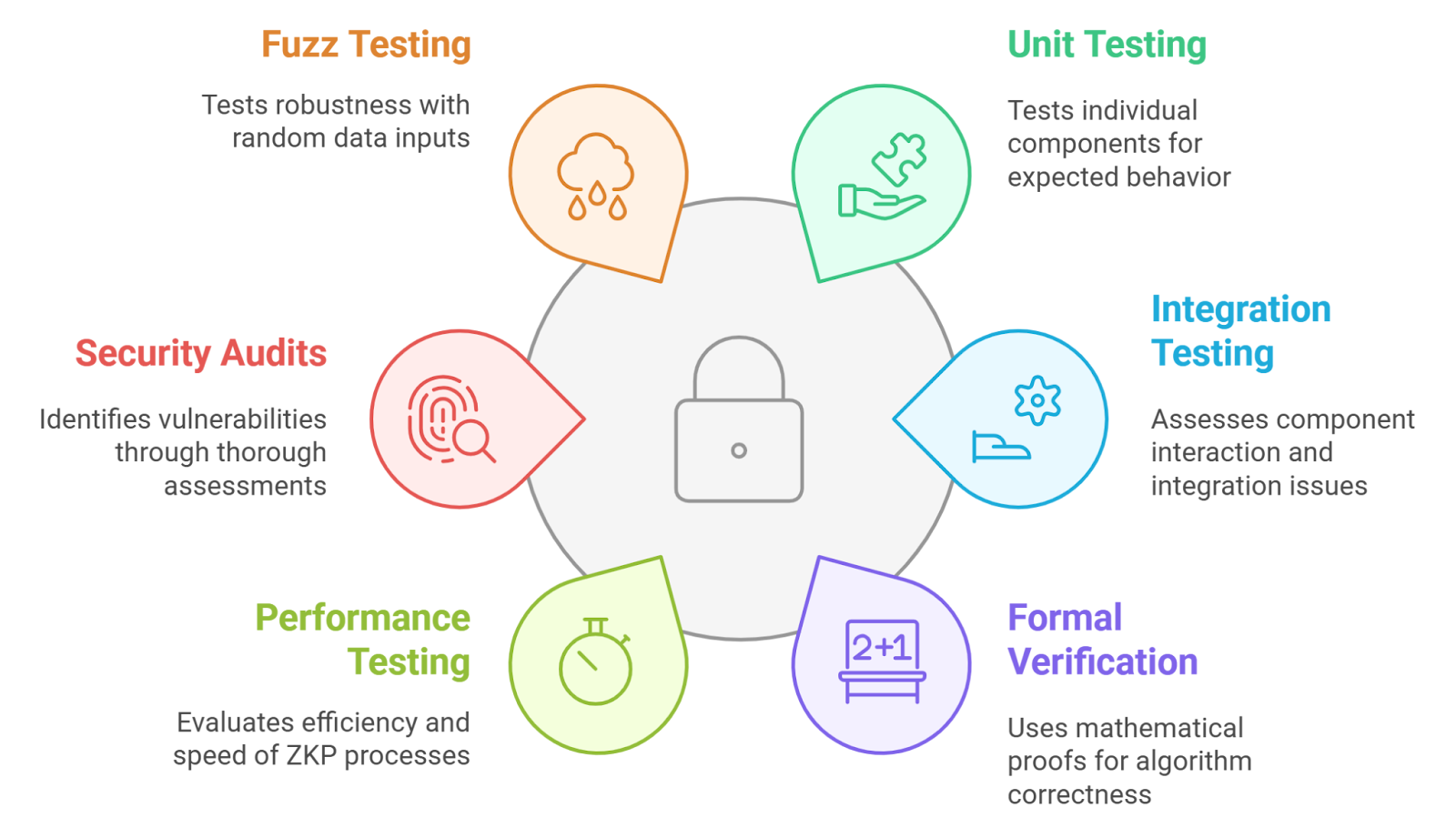
- zkMe: Privacy-centric credential network enables ZKP-based secure issuance and selective disclosure of credentials.
- Semaphore: ZK protocol for Proof of Humanity; proves human status without doxing for registered users.
zkMe's credential network takes it further, letting users issue and verify attributes selectively. Whitepaper metrics project 10x efficiency gains over traditional SSI, with ZKPs ensuring credentials remain confidential even under regulatory scrutiny. Semaphore, a pioneer from Ethereum's privacy stewards, laid groundwork by enabling Proof of Humanity registrants to signal without doxing. Its 2026 iterations support massive groups, proving scalability for global-scale decentralized humanity proofs 2026.
ZKPs Scale to Institutional Web3 Privacy Layers
zkSync's roadmap prioritizes privacy layers for institutions, blending ZK rollups with identity proofs for confidential transactions. DappRadar notes this enables compliant crypto flows without doxxing executives. Meanwhile, Zcash advances proof systems, drawing VC interest for 2026 upgrades. These trends converge: ZKHubs. com tools now power developer integrations, optimizing for zkEVMs with sub-7 second proofs.
Yet challenges persist. Verifier standards from ZKProof demand rigorous properties, curbing malicious implementations. GitHub's awesome-ZK lists explode with libraries, but adoption hinges on UX. As Google eyes ZK in wallets for billions, the proof is in the pudding: privacy scales when it's seamless.
UX friction remains the biggest barrier, but 2026's zkEVM rollups under 7 seconds finality change that calculus. Developers grab libraries from GitHub's awesome-ZK curation, slashing integration time by 70% according to zkMesh recaps. ZKHubs. com leads here, offering plug-and-play zk identity verification modules tailored for dApps, with SDKs that abstract circuit complexity. I've tested their tools: proofs generate in milliseconds on consumer hardware, no PhD required.
Standards and Verified Verifiers Cement Trust
ZKProof's Verified Verifiers initiative enforces scheme properties like soundness and zero-knowledge, weeding out weak implementations. Pick a verifier, define its traits rigorously, and deploy with confidence. This standardization accelerates enterprise uptake, as seen in zkSync's institutional layers where confidential txs hide volumes from MEV bots. Privacy trends from insights4vc highlight Zcash's proof upgrades drawing funds, signaling maturity. Without these guardrails, we'd still chase snake oil; now, zk proofs proof of humanity deliver audited reliability.
Semaphore evolves too, powering group signals for registered humans sans doxing. Privacy Stewards note its Web3 pivot: from Ethereum signaling to cross-chain PoH. Pair it with Worldcoin's orb-less proofs, and you get decentralized humanity proofs 2026 at scale. Rock'n'Block pegs ZK-ID as DeFi's top use case, enabling private KYC that complies without central chokepoints. By mid-year, expect 50 million users, extrapolating zmanian's 33 million baseline.
Confidential DAOs showcase real-world punch: zkTLS and PoCmt yields private governance where one ZKP enforces uniqueness. Voter turnout jumps because anonymity breeds honesty; no more whale sockpuppets. zkMe's network lets you prove attributes like 'over 18' via ZK wallets, echoing Onchain Passport's self-sovereign setups. This selective disclosure? It's the killer app for regulated DeFi, where institutions demand privacy minus liability.
2026 Horizon: Mass Adoption Catalysts
Google's ZK Wallet integration looms largest, onboarding billions via familiar UX. Imagine proving humanity for Gmail logins without Big Tech peeking. zkEVMs proliferate - six live now, per zmanian - fueling rollups like zkSync for institutional flows. DappRadar's radar spots privacy layers as the unlock: confidential trades, ZK-KYC rollouts. ZK Mesh newsletters track protocol advances, from distributed verifiers to recursive proofs compressing verification 100x.
Critics cry centralization risks in node networks, but decentralized zkProofer swarms counter that. Humanity Protocol's 500k enrollments prove resilience; no single failure point. Human Protocol's infra stacks ZK atop biometrics, tamper-proof by design. As delistings affirm tech viability - per Medium's powerlist - surviving coins embed ZK natively.
Venture bets pour in, with funds eyeing Zcash compliance plays. ZKHubs. com equips builders: credential vaults, humanity verifiers, all SEO-optimized for privacy proof of humanity web3. The data screams convergence: 33 million users today, billions tomorrow. Web3 identity sheds Web2 baggage, one zero-knowledge proof at a time. Sybil-free DAOs, private DeFi, sovereign selves - 2026 delivers the stack. Dive into ZKHubs. com; the future verifies without voyeuring.




No comments yet. Be the first to share your thoughts!