

Enhancing Sybil Resistance in Web3 with ZK Proof-of-Humanity Protocols

In the sprawling decentralized landscapes of Web3, where trustlessness is both a promise and a peril, Sybil resistance ZK protocols stand as vigilant guardians. Imagine a world where one malicious actor could spawn countless fake identities to dominate governance votes, drain airdrops, or flood networks with spam. This is the Sybil attack, a persistent thorn in blockchain’s side. Yet, zero-knowledge proof-of-humanity protocols offer a elegant countermeasure: verifying unique humans without exposing a shred of personal data. These innovations, blending cryptography with biometrics and social proofs, are reshaping how we build fair, resilient systems.

The Persistent Shadow of Sybil Attacks in Web3
Sybil attacks exploit the pseudonymity inherent in blockchains. A single entity crafts multiple personas, skewing consensus mechanisms, inflating token supplies through fake claims, or manipulating decentralized autonomous organizations (DAOs). Traditional defenses like proof-of-work demand energy; proof-of-stake favors the wealthy. Neither scales to confirm humanity equitably. Enter proof-of-humanity Web3 ZK solutions, which prioritize privacy and scalability. They ensure one person, one vote; one human, one fair share. From a value perspective, investing in protocols that embed these safeguards early unlocks enduring network utility, much like undervalued assets with wide moats.

Consider the stakes. Grants programs and testnet faucets, vital for bootstrapping ecosystems, routinely suffer multi-account exploits. DAOs grapple with vote buying via sock puppets. DeFi protocols face diluted liquidity from phantom users. Without robust zero knowledge sybil protocols, these vulnerabilities erode confidence, stifling adoption. Recent integrations underscore the urgency: Google’s Web3 testnet faucets now leverage Self Protocol to distribute tokens solely to verified developers, curbing bot hordes effectively.
Zero-Knowledge Magic: Privacy-Preserving Human Verification
At the heart of these protocols lies zero-knowledge proofs (ZKPs), cryptographic marvels allowing one party to prove a statement’s truth without revealing underlying data. Zk-SNARKs, with their compact proofs and swift verification, shine here. Users generate a proof attesting to their uniqueness; verifiers check it on-chain instantly. No biometrics stored, no identifiers leaked. This privacy-first ethos aligns perfectly with Web3’s ethos, fostering mass adoption where centralized ID systems falter.
Biometrics amplify uniqueness. Humanity Protocol scans palm prints via smartphones, hashing them into ZK proofs on a zkEVM Layer-2. Users control their data, revoking access anytime. ZKAnon deploys zk-SNARKs for anonymous proofs, SDK-ready for DAOs and DeFi. zkMe’s MeID enforces ‘one face, one DID, ‘ thwarting cloning with scalable anti-Sybil tech. Orange Protocol layers zkTLS for social attestations across X, Discord, Farcaster. Each variant trades usability for ironclad resistance, a thoughtful balance in protocol design.
Key ZK Proof-of-Humanity Protocols
-
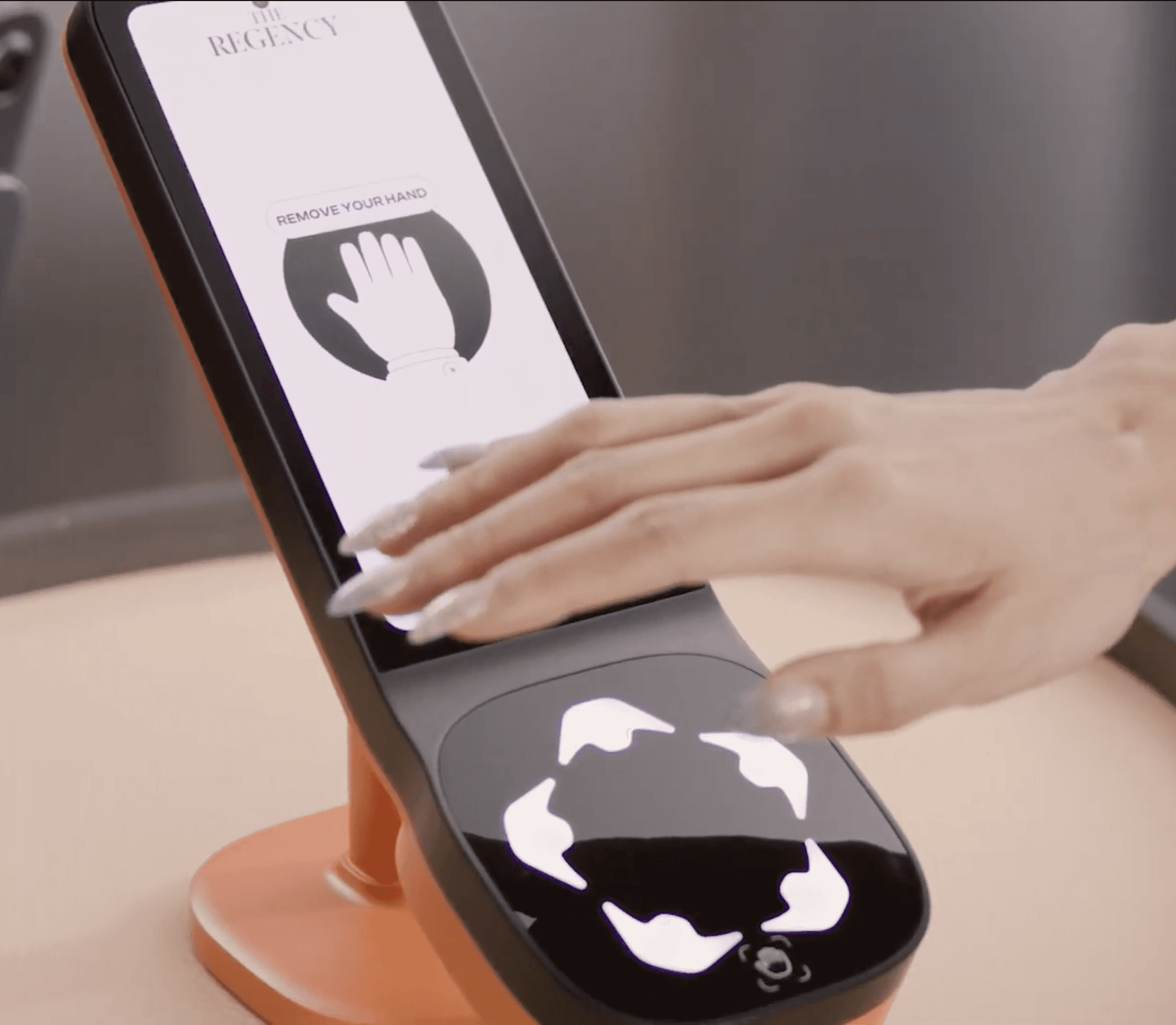
Humanity Protocol: Leverages palm biometrics and zkEVM on Polygon CDK L2 for privacy-preserving, sybil-resistant human verification, ensuring unique identity control. Learn more
-
Self Protocol: Integrates ZK proof-of-humanity with Google Web3 testnet faucets on Celo Sepolia, distributing tokens to verified humans to combat bots and enhance sybil resistance. Learn more
-
ZKAnon: Provides an anonymous SDK with zk-SNARKs and on-chain verifiers for seamless sybil-resistant integration in DAOs and DeFi, prioritizing full privacy. Learn more
-

zkMe: Features MeID Anti-Sybil Suite with ‘One Face, One DID’ for scalable, privacy-focused verification against bots and identity cloning. Learn more
Trailblazers: Protocols Driving Sybil-Resistant Adoption
Humanity Protocol leads with biometric ingenuity. Built on Polygon’s CDK, its zkProofers nodes validate proofs in a PoH consensus, securing networks and apps alike. Users prove humanity once, reuse indefinitely. Self Protocol’s launch into high-value faucets exemplifies practical impact: verified devs snag larger testnet allocations, nurturing genuine innovation over AI agent spam. As Business Wire notes, this slashes Sybil risks at entry points.

ZKAnon’s toolkit empowers builders swiftly. Drop its contracts into any dApp; watch fake identities evaporate. Human. tech’s Passport toolkit, adopted by 120 and projects, detects Sybils via identity verification. Messari praises Humanity’s trust layer for human uniqueness proofs. These aren’t hypotheticals; they’re live defenses fortifying Web3’s foundations. Opinionated take: protocols blending biometrics with ZK will dominate, as they deliver verifiable fairness without surveillance trade-offs, a true value multiplier for ecosystems.
From a value investor’s lens, these protocols resemble early-stage equities with deep moats: proof-of-humanity Web3 ZK tech creates network effects where first-mover verifiers attract liquidity and users, compounding defensibility. Early adoption signals like Self Protocol’s Google integration hint at asymmetric upside, akin to spotting wide margins of safety before the crowd piles in. But execution matters; not all ZK layers scale without friction.
Real-World Fortifications: From Faucets to DAOs
Deployments reveal the tangible edge. Self Protocol’s faucet guardrail on Celo Sepolia testnet exemplifies precision: developers prove humanity via zero-knowledge, unlocking amplified token drips while bots starve. This isn’t theoretical; it channels resources to builders who propel ecosystems forward. Humanity Protocol’s zkProofers, specialized consensus nodes, extend resistance chain-wide, validating palm-derived proofs for apps from governance to gaming. Imagine DAOs invoking Orange Protocol’s zkTLS attestations, cross-verifying uniqueness across Web2 haunts like Discord and Farcaster; sock-puppet plutocracies crumble.
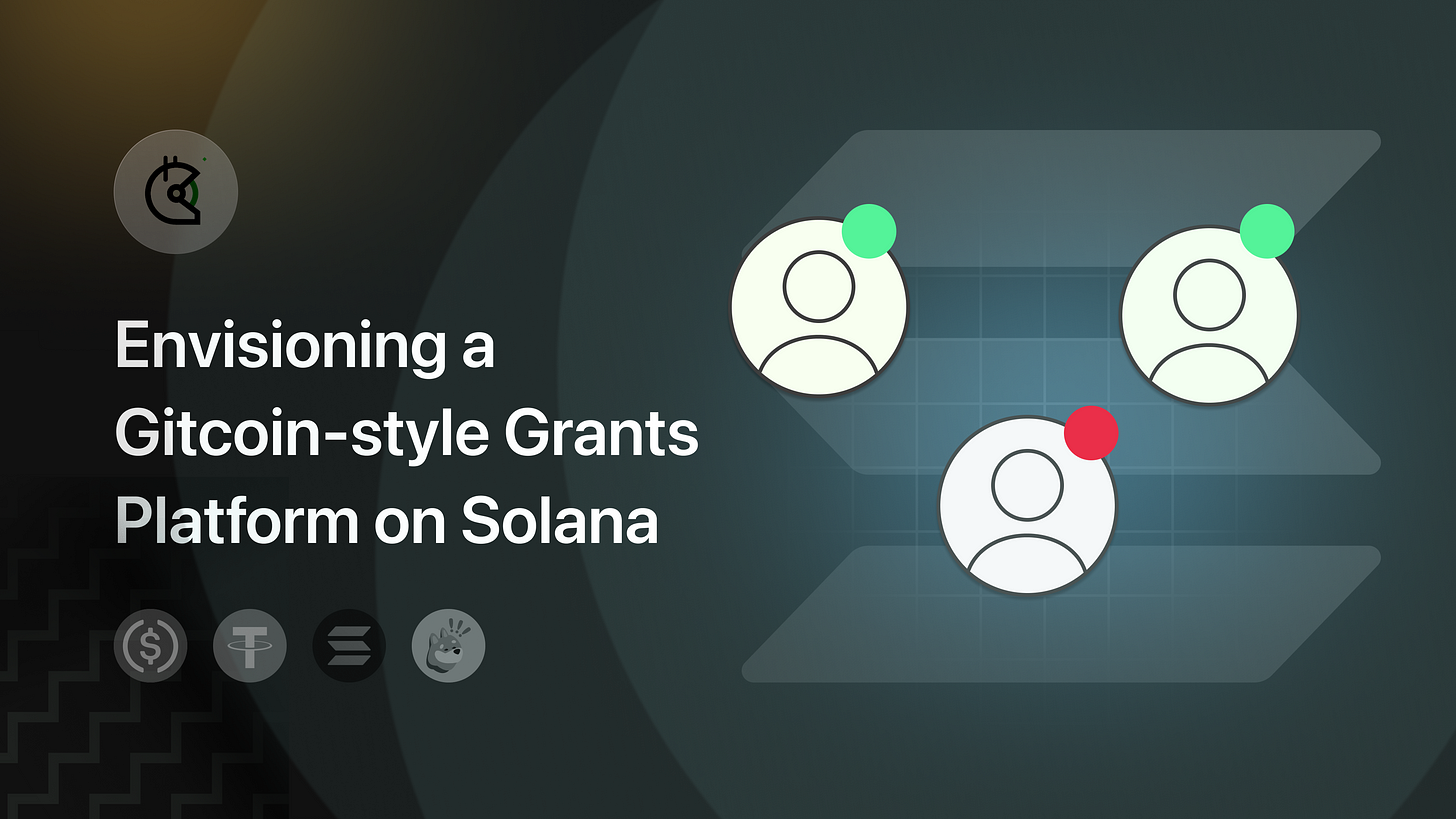
Human. tech’s Passport toolkit, embraced by over 120 projects, scans for grant-grubbing Sybils, preserving funding purity. zkMe’s Anti-Sybil Suite enforces one-face-one-DID rigorously, scaling to thwart identity farms in DeFi liquidity pools. These integrations, per Messari and Mitosis analyses, layer trust without central chokeholds, a nuanced evolution beyond PoW’s waste or PoS’s oligarchy. Value-oriented builders prioritize such primitives; they yield compounding returns as adoption snowballs.
Yet challenges persist, demanding thoughtful navigation. Biometric hurdles limit accessibility in low-device regions, though ZKAnon’s SDK sidesteps with pure crypto proofs. Verification speed, while zk-SNARKs excel, strains during spikes; Layer-2 optimizations like Polygon’s CDK mitigate this. Interoperability looms large: siloed proofs fragment utility. Forward-thinking protocols bake in composability, ensuring a Humanity proof slots into zkMe verifiers seamlessly. Opinion: the winners fuse usability with rigor, much like undervalued stocks blending growth and protection.
Comparison of Top ZK Proof-of-Humanity (PoH) Protocols
| Protocol | Core Tech | Key Strength | Notable Integration |
|---|---|---|---|
| Humanity Protocol | Palm biometrics / zkEVM | Network-wide consensus | zkProofers nodes, Polygon CDK |
| Self Protocol | ZK proofs | Faucet anti-Sybil | Google Web3 testnet faucets (Celo Sepolia) |
| ZKAnon | zk-SNARKs SDK | Anonymous verification | DAOs / DeFi |
| zkMe | MeID suite | One-face-one-DID | Anti-bot scalability |
| Orange Protocol | zkTLS social proofs | Multi-platform attestations | DAOs / X / Discord |
Value Horizons: Investing in Sybil-Proof Futures
Peering ahead, sybil resistance ZK protocols anchor Web3’s maturity. As AI agents proliferate, humanity proofs become table stakes for fair launches, quadratic funding, and universal basic income experiments on-chain. zkEVM advancements slash costs, palm scans evolve via everyday hardware, social zkTLS bridges Web2 masses. Protocols like these don’t just defend; they unlock quadratic utility, where verified humans amplify collective intelligence without coordination failures.
Consider the DCF parallel: discount future cash flows from secure networks at conservative rates, and the intrinsic value soars for early protocols. Humanity’s biometric edge offers moat-like uniqueness; Self’s partnerships signal revenue ramps. Risks? Regulatory squints at biometrics, but ZK privacy neutralizes most. My bet: hybrid models prevail, blending proofs for maximal coverage. Developers, embed these now; ecosystems thrive on such foresight. Web3’s promise – equitable, pseudonymous flourishing – crystallizes through zero knowledge sybil protocols, turning peril into enduring strength.