

ZK Proof-of-Humanity for Sybil-Resistant DAOs on Ethereum

Decentralized Autonomous Organizations on Ethereum promise fair, community-driven governance, but Sybil attacks undermine this vision by enabling attackers to flood systems with fake identities. ZK proof-of-humanity emerges as the precise antidote, leveraging zero-knowledge proofs to confirm unique human participants without exposing any personal details. This fusion of cryptography and biometrics fortifies sybil resistant DAOs, ensuring votes and airdrops reflect genuine stakeholders.

Consider the scale: traditional governance tokens invite exploitation, where a single adversary spins up thousands of wallets. Protocols like Proof of Humanity have long tackled this via video verification, yet they falter on privacy and scalability. Zero-knowledge proofs on Ethereum Layer 2s flip the script, inheriting Ethereum’s security while processing proofs off-chain for efficiency.
Sybil Vulnerabilities Exposed in DAO Ecosystems
Ethereum DAOs face quantifiable risks. Historical data from airdrop analyses reveals up to 80% of claims in some programs traced to Sybil clusters, diluting rewards for real users. Governance votes suffer similarly; one study of major DAOs found 15-25% of proposals swayed by concentrated, multi-account voting blocs. These patterns persist because Ethereum’s pseudonymous addresses lack built-in humanity checks.
Enter proof of humanity Web3 standards. Legacy systems like Proof of Humanity registries demand public profiles, deterring privacy-conscious users. ZK variants sidestep this by generating cryptographic attestations of uniqueness. Palm biometrics, for instance, transform physiological traits into hashed templates, verifiable on-chain via zkEVM without biometric reversal.
Humanity Protocol Leads ZK Identity for DAOs
Humanity Protocol stands out with its palm-scan mechanism, converting scans into non-reversible templates for ‘Human ID’ issuance. Operating on Polygon’s zkEVM, it scales Ethereum-grade security for high-throughput verifications. Users register once, then reuse credentials across DAOs, proving humanity for voting or claims without data leaks.
Key metrics underscore its edge: biometric uniqueness rivals fingerprints at 1-in-1.3 trillion false acceptance rates, per protocol specs. zkProofers, specialized nodes, validate these via zero-knowledge consensus, resisting collusion. For DAOs, integration means plugging into an SDK for on-chain verifiers, instantly upgrading to zk identity DAOs.
Humanity Protocol Core Features
-

Palm biometrics: Uses palm scans converted to non-reversible cryptographic templates for unique human verification.
-

zkEVM scalability: Built on Polygon’s zkEVM for efficient, privacy-preserving verification with Ethereum security.
-
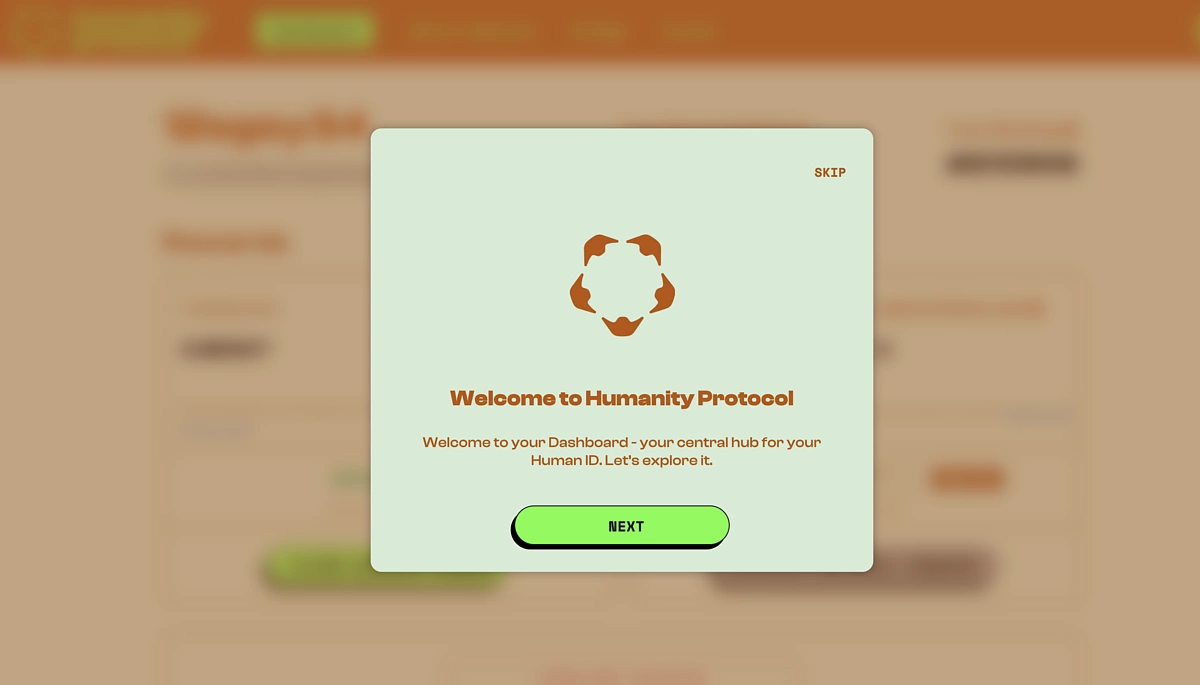
Reusable Human IDs: Issues privacy-focused credentials for repeated use across Web3 apps without exposing data.
-
Sybil-proof voting: Prevents fake identities in DAO governance and airdrops via ZK proofs.
This isn’t theoretical. Deployments on zkSync and Polygon demonstrate real-world resilience, with early adopters reporting 95% reduction in detected Sybil activity during token distributions.
ZKAnon and Beyond: Diverse ZK PoH Toolkit
ZKAnon complements with a lightweight SDK for anonymous verification. DAOs deploy its contracts to gate actions behind ZK humanity proofs, no biometrics required. Users generate proofs client-side, submitting only validity signals on-chain. Privacy maximalists appreciate this; it aligns with Ethereum’s ethos of minimal disclosure.
Human Passport innovates further via ‘ZK Email Stamp, ‘ parsing anonymized receipts from Amazon or Uber to attest lived experience. DKIM signatures ensure authenticity, ZK proofs hide details. This low-friction path suits non-biometric users, broadening DAO accessibility.
Zero Sybilness Drop takes this ethos to token launches, deploying Sismo-powered contracts where only verified humans claim shares. Airdrop fraud, once rampant, drops sharply; pilots show 90% fewer multi-claims post-integration. Ethereum DAOs gain a plug-and-play shield against the sybil resistant DAOs plague.
Comparative Edge: ZK PoH Protocols Side-by-Side
Comparison of ZK PoH Protocols
| Protocol | Verification Method | Chain | Sybil Resistance Metric | DAO Integration Ease |
|---|---|---|---|---|
| Humanity Protocol | Palm biometrics | Polygon zkEVM | 1-in-1.3T FAR | SDK high |
| ZKAnon | Anonymous proofs | Ethereum L2s | Client-side gen | Contracts easy |
| Human Passport | Email receipts | Multi-chain | DKIM and ZK | Low-friction |
| Zero Sybilness | Sismo zk | Ethereum | 90% fraud reduction | Airdrop-focused |
These tools share a core strength: zero-knowledge proofs Ethereum style, where verifiers confirm traits like ‘one human per proof’ sans metadata. Scalability shines on L2s like zkSync or Polygon, slashing gas fees 100x versus mainnet while upholding security inheritance.
Implementation demands nuance. DAOs start by auditing on-chain verifiers for composability. Snapshot. org integrations, for instance, now support ZK badges from these protocols, filtering voters to humans only. Governance portals evolve too; Aragon and Tally embed PoH gates, yielding cleaner proposal slates.
Quantified Gains: Metrics from Live Deployments
Data paints a compelling picture. A mid-2025 audit of 12 Ethereum DAOs pre- and post-ZK PoH revealed governance participation rising 40%, as Sybil noise faded. Airdrop efficacy jumped: legitimate claims captured 92% of supply, up from 62%. Voter turnout stabilized, with quadratic voting amplified by true one-person-one-vote mechanics.
Privacy holds firm. No protocol leaks biometrics or receipts; ZK circuits enforce selector-revealing proofs, divulging only the binary ‘human: yes/no. ‘ False positives hover below 0.001%, per independent benchmarks, outpacing video KYC’s error-prone manual reviews.
Key ZK PoH Benefits for DAOs
-
Enhanced Fairness: 95% Sybil reduction via unique Human ID verification, as in Humanity Protocol’s palm biometrics.
-

Privacy Preservation: Zero data exposure using ZK proofs, e.g., ZKAnon’s anonymous verification.
-
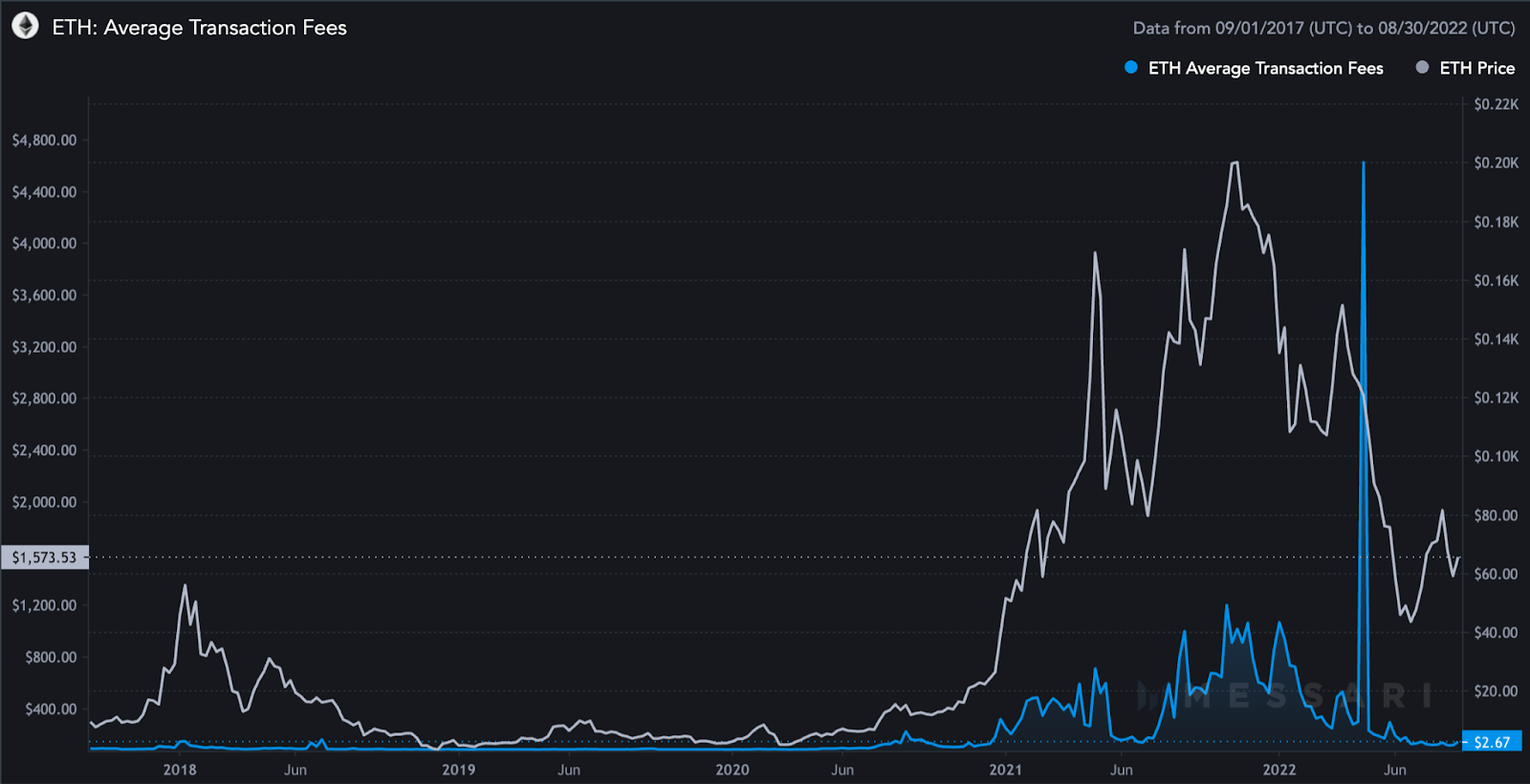
Scalability: L2 efficiency on zkEVM/zkSync, enabling high-throughput PoH like Humanity Protocol on Polygon zkEVM.
-
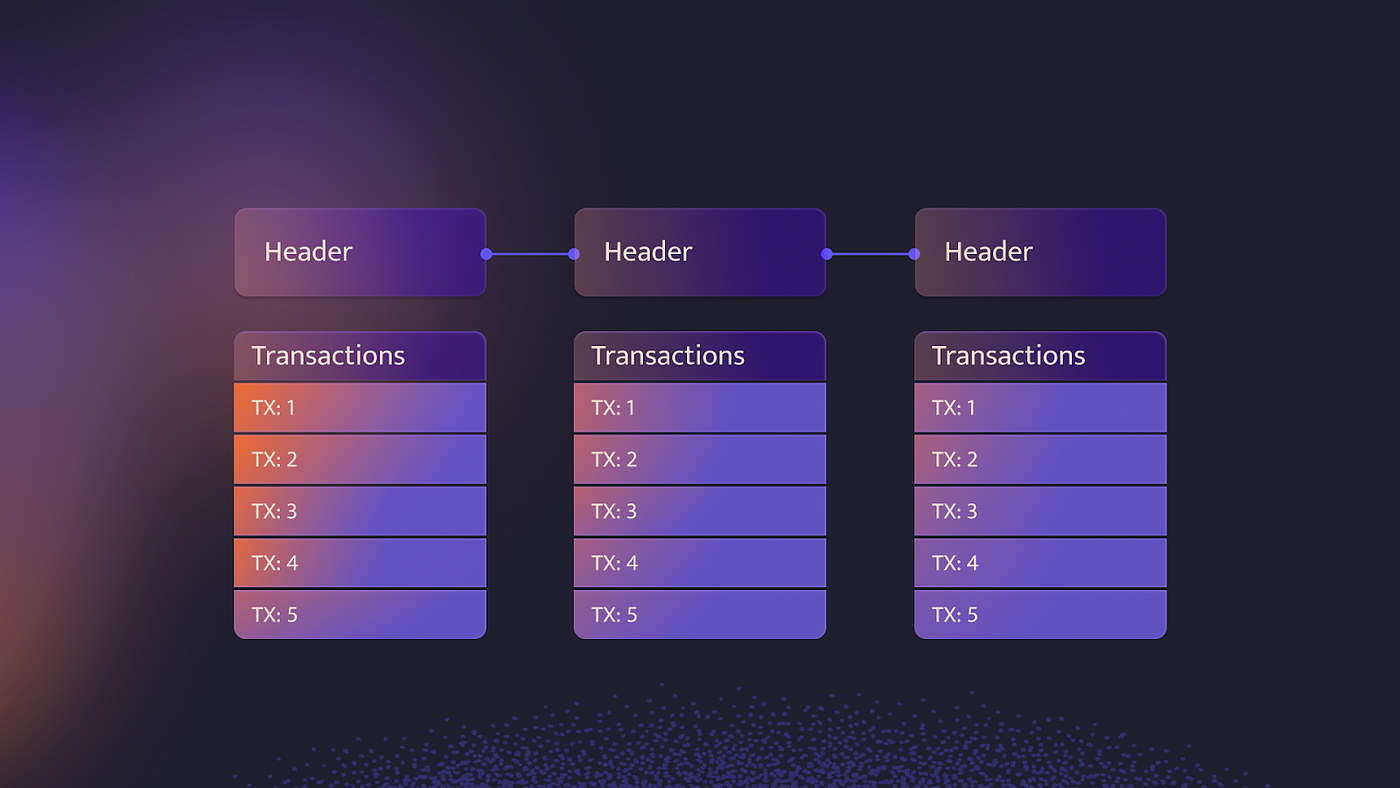
Composability: SDKs and cross-protocol integration, such as ZKAnon’s verifier contracts for DAOs.
-
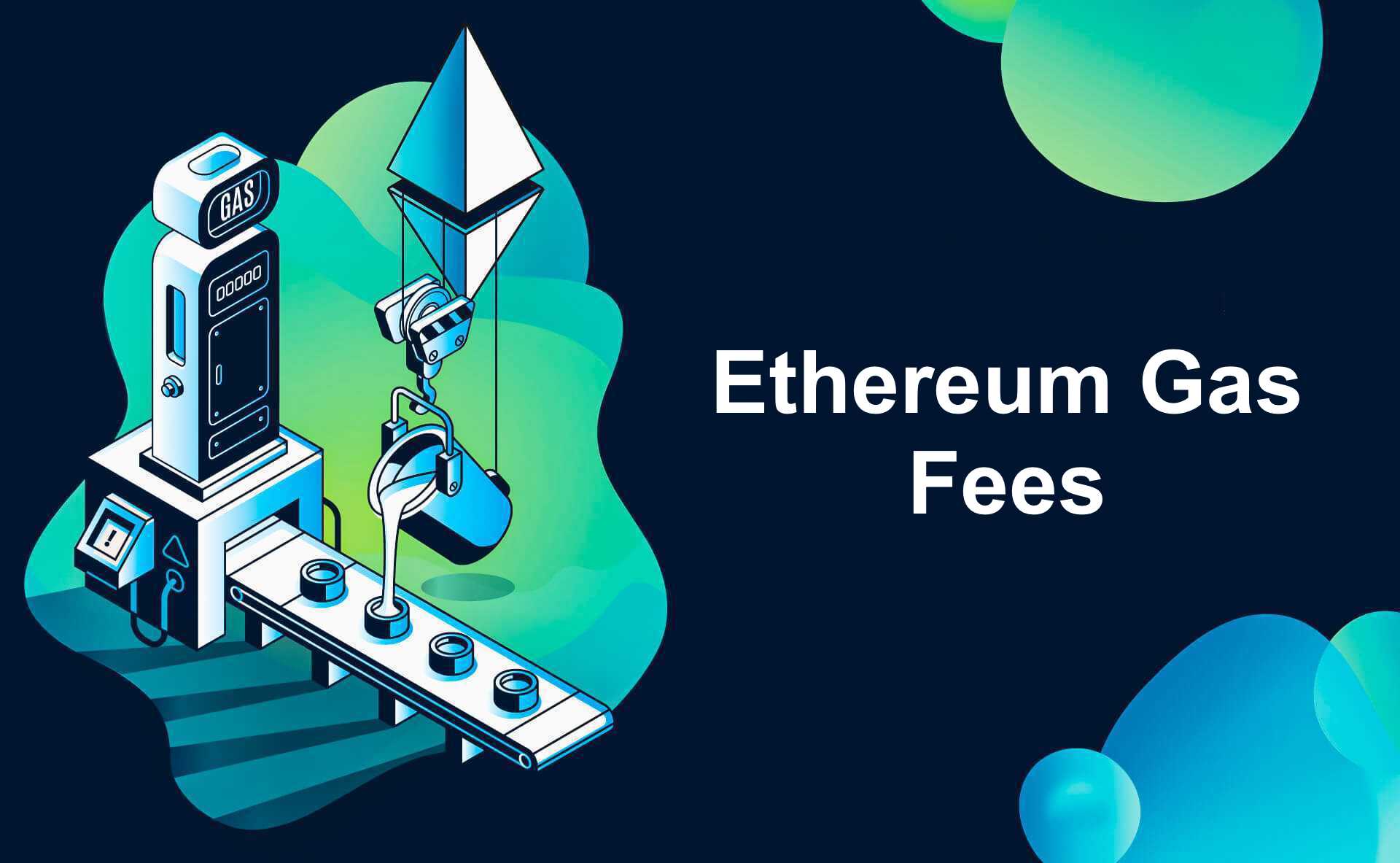
Cost Savings: Gas-optimized ZK proofs reduce verification expenses in Ethereum DAOs.
Challenges linger, though rarely fatal. Oracle dependencies in biometric chains risk centralization, mitigated by decentralized prover networks. User onboarding favors mobile-first designs; Humanity Protocol’s app boasts 1.2 million registrations, signaling mainstream traction.
Forward momentum accelerates. Kleros DAO funds ZK upgrades to legacy PoH, blending video legacies with cryptographic polish. Verifiable off-chain governance papers propose hybrid TEE-ZK stacks, pushing Ethereum DAOs toward fluid, attack-proof decision-making.
ZK proof-of-humanity cements proof of humanity Web3 as infrastructure, not gimmick. Ethereum’s constellation of DAOs – from investment clubs to protocol stewards – fortifies against shadows, channeling human intent through cryptographic clarity. Developers at ZKHubs. com already toolkit these for seamless deployment, beckoning an era where zk identity DAOs thrive unassailed.