

ZK Proofs for Proof of Humanity: Privacy-Preserving Identity Verification in Web3

In Web3, where anonymity is king but trust is scarce, proving you’re human without handing over your life story feels like a unicorn quest. That’s where ZK proofs for proof of humanity come in, offering privacy-preserving humanity verification that keeps your data locked away while shouting, “Yep, I’m real!” No more uploading passports or biometrics to shady central servers – just cryptographic wizardry.


Imagine logging into a DAO vote, claiming an airdrop, or joining a social dApp, all while verifiers nod approvingly without knowing your name, face, or grandma’s maiden name. This isn’t sci-fi; it’s zero-knowledge proofs in action, powering proof of humanity Web3 zk systems that sidestep Sybil attacks and bot invasions.
Zero-Knowledge Proofs Unpacked: The Crypto Magic Trick
At its core, a zero-knowledge proof lets the prover convince the verifier of a statement’s truth without revealing any extra info. Picture this: You know a secret cave password but prove you do without saying it aloud. In math terms, it’s protocols like zk-SNARKs or zk-STARKs crunching computations off-chain, spitting out tiny proofs on-chain for instant verification.
For zero knowledge proof of personhood, this means hashing biometrics – think palm scans or iris patterns – into unique IDs. Verifiers check the proof matches a human trait without seeing the raw data. Humanity Protocol nails this: users scan palms via app, generate a hash-bound Human ID, and boom – ZK-verified uniqueness without storing scans anywhere central.
“Because ID validators leverage zero-knowledge cryptography, they never need to store raw personal data like biometric scans, names, or government-issued IDs. ” – Humanity Protocol insight.
Why obsess over this? Web3’s plagued by fake accounts tanking governance, unfair drops, and bot farms. ZKPs flip the script, enabling zk identity credentials that scale trustlessly.
Humanity Protocol: Palm Scans Meet ZK Power
Humanity Protocol stands out as a frontrunner, blending dual-layer biometrics with ZKPs on Polygon zkEVM. Users prove uniqueness via palm scans, creating non-reusable Human IDs verified through decentralized zkProofers and identity validators. Stake H tokens, pay fees, govern – all powered by privacy-first tech.
No data hoarding here: Biometrics hash to proofs, slashing Sybil risks for voting, funding, social media. Their network of verifiers adds transparency, and cross-platform reputation via browser ZK proofs means your good deeds travel without doxxing. Practical win: Social platforms ditch ID uploads, nuking bots with seamless checks.
ZK Proofs’ Key Advantages
-
Privacy: No personal data exposure – prove humanity via biometrics without revealing them, like Humanity Protocol’s palm scans.
-

Sybil Resistance: One human, one ID – prevents fake accounts and bots using unique proofs.
-
Decentralized Trust: No single point of failure – verifier networks ensure transparency, as in Humanity Protocol.
-
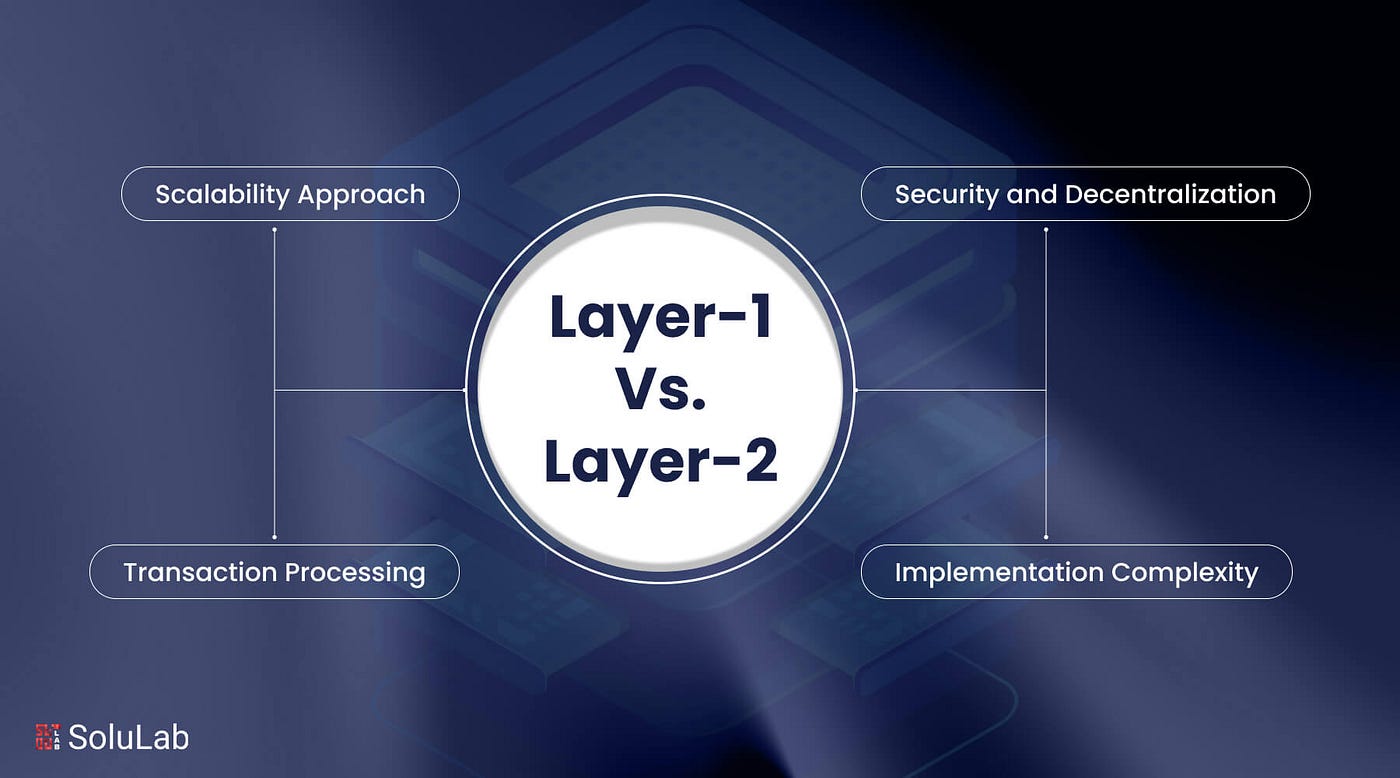
Scalable Verification: Tiny proofs fit blockchains perfectly for efficient on-chain checks.
-
Compliance-Friendly: Prove attributes like age without full reveal, e.g., zkMe’s zkKYC.
This setup’s live and kicking, with H token fueling the ecosystem. Developers love it for embedding into dApps, ensuring real humans drive decisions.
Beyond Humanity: zkMe, Human ID, and ZK Credential Waves
It’s not a solo act. Holonym’s Human ID lets you flash zk identity credentials for age, residency proofs – perfect for KYC without the creep factor. zkMe’s zkKYC hits FATF compliance, verifying citizenship or age via ZK, no data dumps needed.
Academic chops back it: ZKlaims paper shows attribute-based credentials via non-interactive ZK, proving third-party issued facts sans content leak. Ethereum Research eyes e-passport ZK for broader sybil resistance, from airdrops to social feeds.
Hyperledger Indy takes it further with ZK in identity management, treating birth certificates as keystones hashed into verifiable claims. These tools aren’t just theoretical; they’re reshaping how we build trust on-chain without the surveillance state vibe.
Real-World Wins: From Airdrops to Compliant dApps
Picture fair airdrops where only humans qualify, no bot farms scooping rewards. Quadratic funding gets honest with one-person-one-vote via zero knowledge proof of personhood. Social dApps curb fake profiles using ZKP humanity checks – no ID uploads, just quick proofs. Platforms like those powered by proof. com let users flash attributes like “over 18” or “US resident” for compliance, keeping full identities hidden.
Compliance meets crypto dreams: zkKYC from zkMe sails through FATF rules, proving citizenship sans data leaks. Developers integrate this into wallets or DeFi, verifying users for loans or trades without KYC nightmares. It’s practical magic – regulators happy, users private.
Sybil resistance shines in governance too. DAOs vote securely, knowing each wallet reps a unique human. Ethereum Research pushes e-passport ZK for global scale, blending offline docs with on-chain proofs. Check out how zero-knowledge proofs enable private and trustless identity verification in Web3 for deeper dives.
Hurdles on the Horizon: UX, Compute, and Adoption
Not all smooth sailing. ZK proofs guzzle compute power; generating them on mobiles can lag. zk-SNARKs need trusted setups (though STARKs dodge that), and UX still feels clunky – scanning palms beats passports, but mass adoption craves one-tap magic. Interoperability’s key too: How do Human IDs play with zkMe creds?
Yet momentum builds. Polygon zkEVM and rollups slash costs, making proofs cheap. Projects like Humanity Protocol decentralize verifiers, dodging single failures. Opinion: We’re early innings, but privacy-first beats data-hungry alternatives every time. Bots and fakes won’t quit easy, but ZK arms humans best.
ZKML creeps in, verifying machine learning models on biometrics without exposing data – think fraud-proof AI checks. Kudelski Security nails why: Prove truth, hide the rest.
Level Up Your Stack: Integrate ZK Proofs Today
Builders, ZKHubs. com has your back with zk identity tools tuned for blockchains. Grab SDKs for zk identity credentials, plug in proof-of-humanity modules, and ship privacy-preserving apps fast. Start simple: Verify users in your dApp via Humanity Protocol APIs, or roll custom attribute proofs with Holonym.
Steps? Hash biometrics off-chain, generate ZK proof, verify on-chain. No PhD needed – libraries handle heavy lifting. For wallets, explore how zero-knowledge proofs enhance privacy in decentralized identity wallets. Web3 thrives when humans prove it without selling souls.
Stake in H tokens, govern protocols, or build atop these layers. The shift to privacy preserving humanity verification isn’t optional; it’s the edge against centralized spies and Sybil swarms. Dive into proof of humanity Web3 zk now – your users will thank you with loyalty that sticks.