

ZK Proofs for Proof of Humanity: How Semaphore and zkPass Enable Sybil-Resistant Web3 Identity

In the sprawling decentralized landscapes of Web3, where trust is scarce and anonymity reigns, Sybil attacks loom as the silent saboteurs. One malicious actor spins up hordes of fake identities, skewing governance votes, flooding airdrops, or manipulating DAOs. Enter zero-knowledge proofs – the cryptographic wizards enabling zk proof of humanity without surrendering a shred of personal data. Protocols like Semaphore and zkPass stand at the vanguard, forging sybil resistant zk proofs that verify uniqueness and authenticity while preserving privacy. This isn’t just tech; it’s the foundation for a truly equitable digital society.


Web3 promised liberation from centralized gatekeepers, yet it grapples with the paradox of needing to confirm ‘one person, one vote’ or ‘one unique human’ without invasive surveillance. Traditional proof-of-humanity schemes, like biometric scans or social graph analysis, falter under privacy concerns or centralization risks. Proof of personhood zk flips the script: users prove membership in a human-only group or credential validity through math alone. Semaphore excels in group signaling; zkPass pulls verified Web2 data into Web3 orbits seamlessly.
The Sybil Resistance Imperative in Decentralized Networks
Picture a DAO treasury vote: without safeguards, a whale deploys bot armies to sway outcomes. Or an NFT drop ravaged by multi-account farmers. These aren’t hypotheticals; they’re daily realities eroding Web3’s ethos. Semaphore and zkPass deploy ZK-SNARKs to certify uniqueness – proving you’re in a vetted group or hold real-world credentials without doxxing yourself. This zero knowledge personhood approach sidesteps databases ripe for hacks, empowering users with selective disclosure.
Core Benefits of Semaphore & zkPass
-

Privacy-preserving uniqueness proofs: Semaphore proves group membership and signals (e.g., votes) anonymously via ZK-SNARKs, preventing Sybil attacks; zkPass uses zkTLS to verify Web2 credentials without data exposure.
-
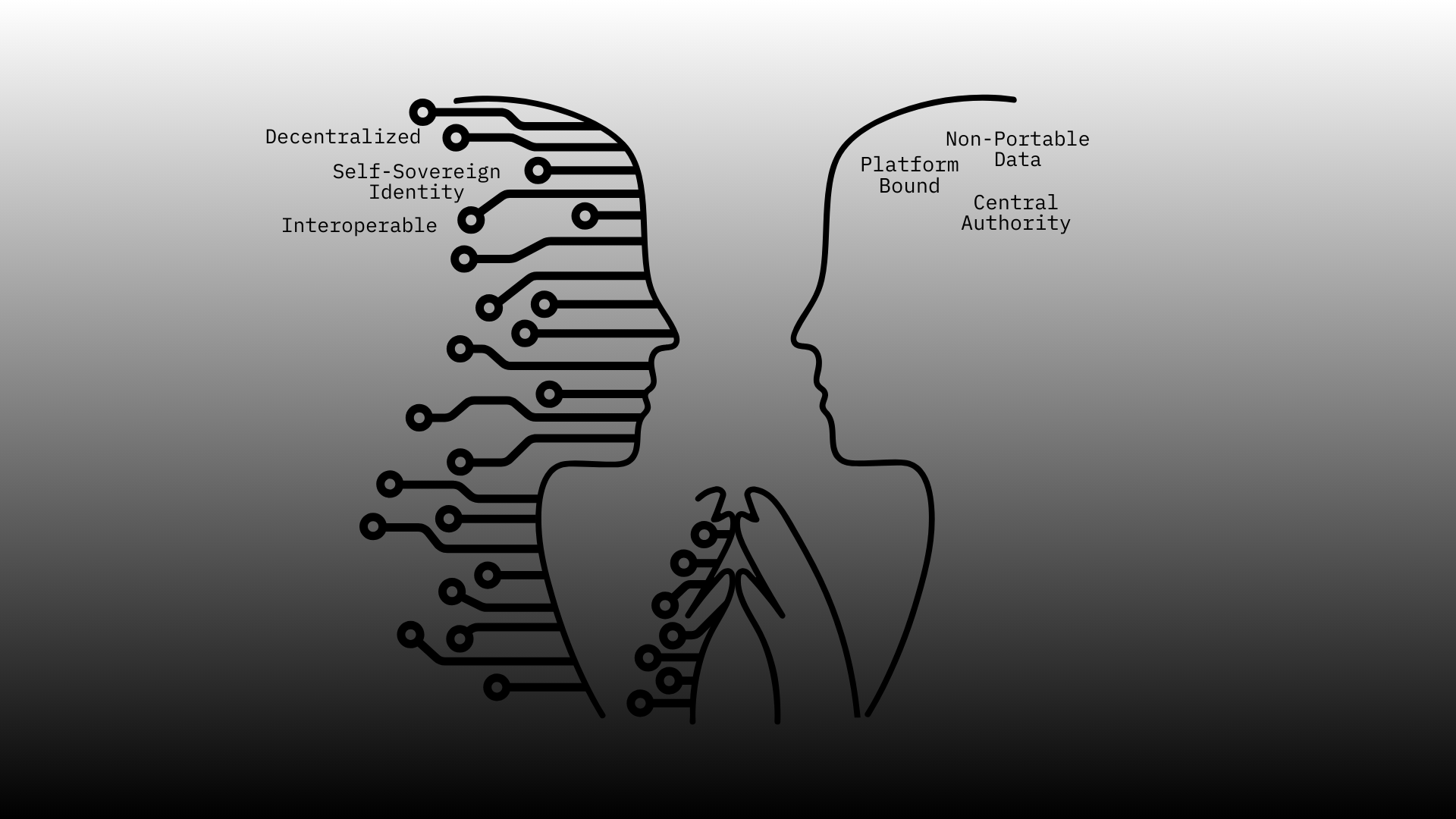
No central authorities: Both protocols are decentralized, relying on ZK proofs for peer-to-peer verification without trusted intermediaries or databases.
-
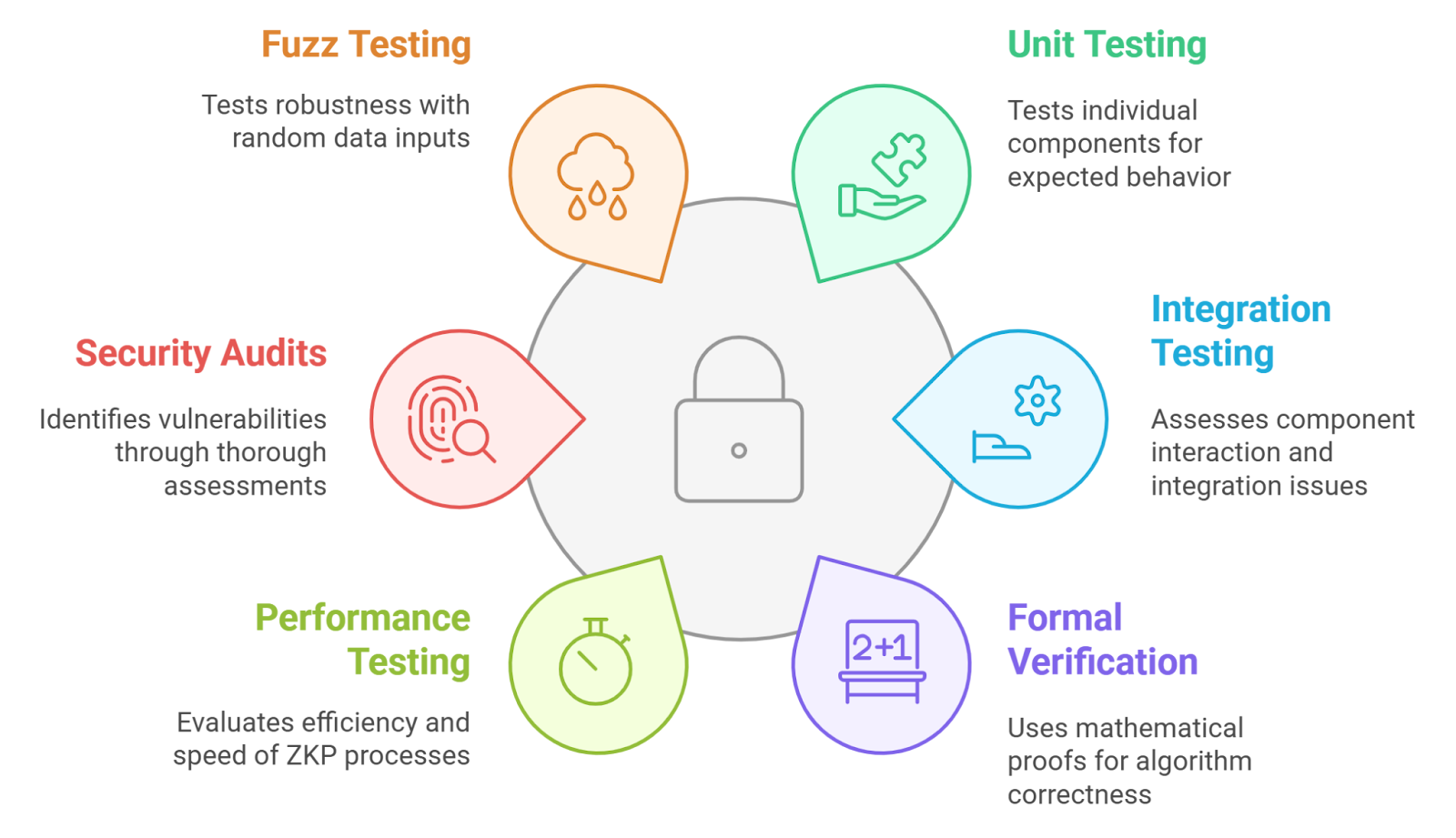
Scalable for DAOs and airdrops: Semaphore supports efficient anonymous voting in DAOs; zkPass enables large-scale unique user proofs for fair airdrops and Sybil resistance.
-
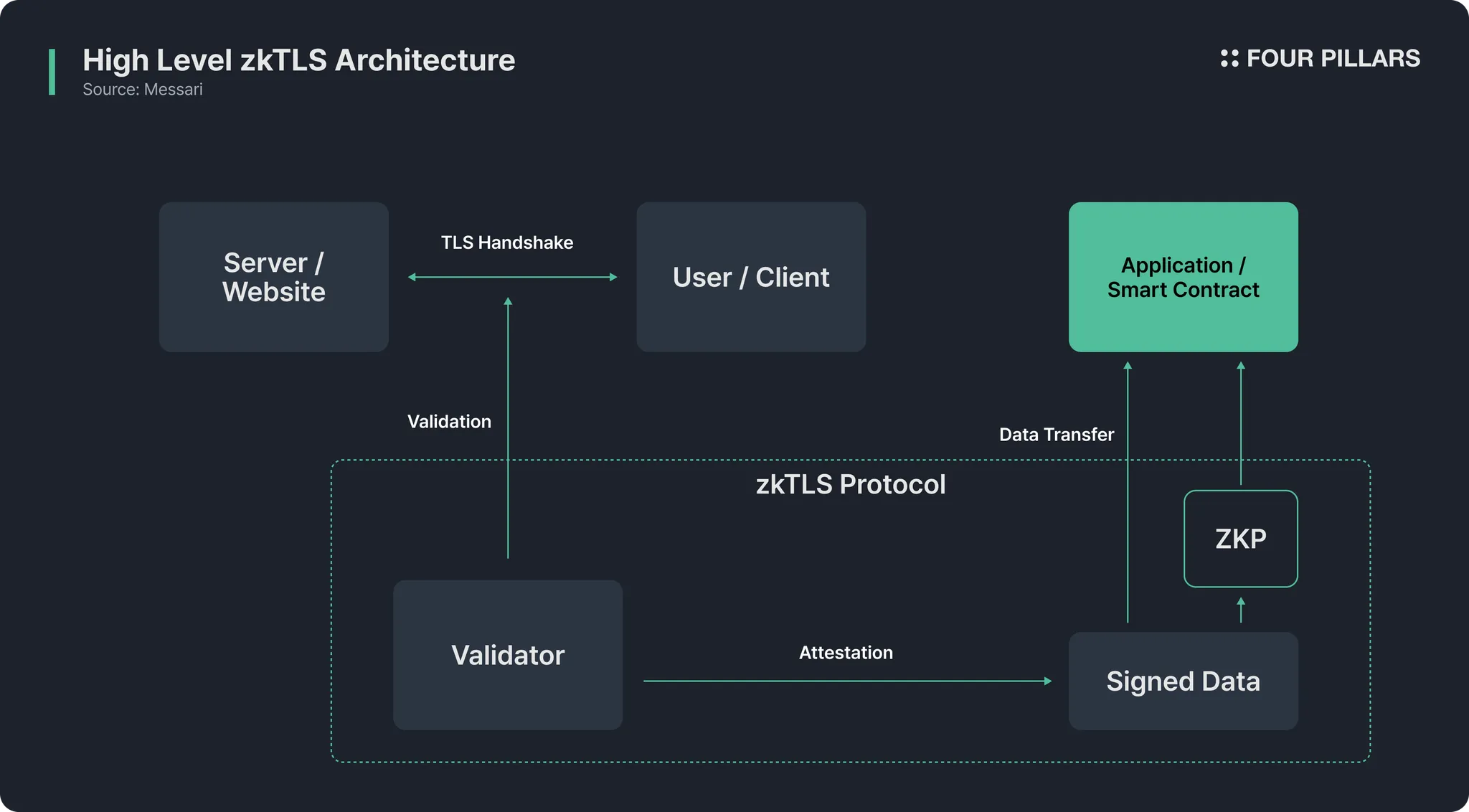
Bridges Web2-Web3 data: zkPass transforms HTTPS sessions into zkTLS proofs, allowing dApps to access verified Web2 identity, reputation, or assets privately.
-
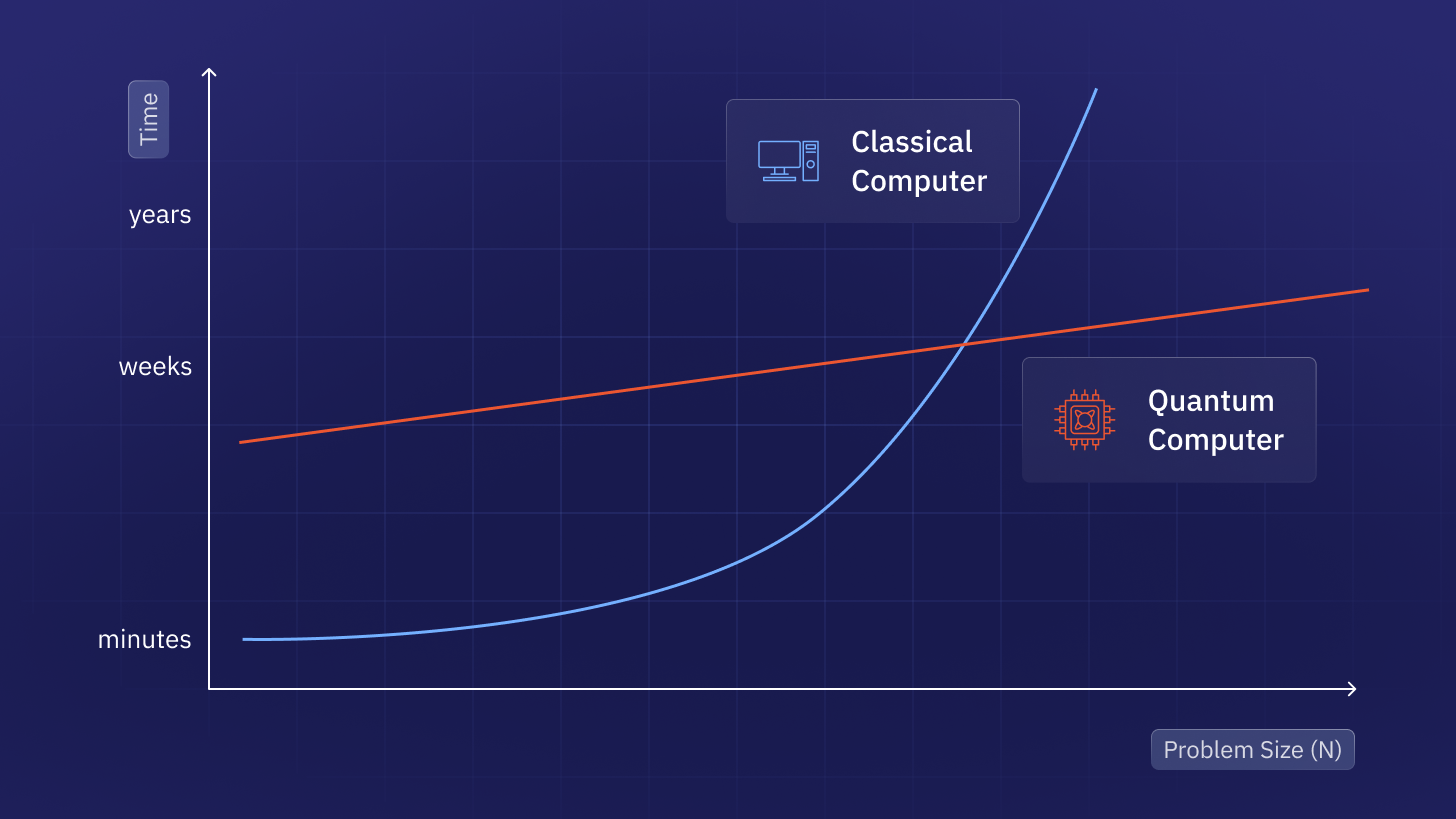
Future-proof against quantum threats: Leveraging advanced ZK primitives like SNARKs/STARKs, these protocols pave the way for post-quantum upgrades in Web3 identity systems.
From governance to reputation systems, these tools ensure actions trace to distinct humans, not puppets. ChainScore Labs nails it: ZK proofs resolve Web3’s reputation paradox, letting creators flaunt credentials anonymously. BlockEden echoes zkPass for pure sybil resistance sans custom creds.
Semaphore: Pioneering Anonymous Group Signaling
Semaphore redefines semaphore zk identity by letting users prove group membership and broadcast signals – votes, attestations, alerts – all verifiable yet unlinkable to individuals. Rooted in zero-knowledge tech, it generates a Merkle tree of member identities. To signal, you craft a proof attesting inclusion without exposing your leaf. Subsequent signals update the tree, purging used identities to thwart reuse.

This elegance shines in applications demanding anonymity with accountability. Anonymous whistleblowing in DAOs? Semaphore. Private community polls? Check. Its protocol thwarts Sybilism by enforcing one-use-per-identity, scalable across chains viaSemaphore’s latest iterations. Developers at ZKHubs. com leverage it for zk identity management, optimizing for blockchain’s permissionless nature.
zkPass: Unlocking Web2 Credentials for Web3 Proofs
While Semaphore masters on-chain groups, zkPass tackles the Web2-Web3 chasm with zkTLS. This primitive turns everyday HTTPS sessions – think GitHub profiles, bank statements, social logins – into ZK proofs. Prove you’re over 18 from a passport scan, own assets via exchange history, or boast reputation from forum activity, all without sharing raw data.
zkPass’s whitepaper details how TLS sessions, cryptographically signed by servers, become proof fodder. Users generate zkpass proof of humanity attesting Web2 facts, importable to any dApp. Ideal for sybil-proof airdrops requiring GitHub commits or KYC-lite compliance. GitHub repos like web3privacy highlight its fit for anonymous KYC and regulatory nods, outpacing leaky SSI models.
Imagine deploying this in a DeFi protocol: users prove sufficient on-chain history or off-chain creditworthiness via zkPass, unlocking loans minus the KYC nightmare. Or in socialFi, where zkpass proof of humanity confirms real engagement from verified profiles, starving bots of oxygen. Its zkTLS innovation, as outlined in the 2025 whitepaper, bridges silos effortlessly, turning passive Web2 footprints into active Web3 superpowers.
Semaphore vs zkPass: Complementary Forces
These aren’t rivals; they’re allies in the sybil wars. Semaphore thrives in pure on-chain anonymity, ideal for semaphore zk identity in fluid groups where signals must stay unlinkable. zkPass extends reach to Web2’s vast data oceans, perfect for hybrid proofs blending real-world stakes with blockchain purity. Together, they form a sybil-resistant zk proofs arsenal: Semaphore for communal vibes, zkPass for credential firepower.
BlockEden’s breakdown pits zkPass against Polygon ID and Worldcoin, crowning it for straightforward sybil resistance without bespoke credentials. Polygon ID leans verifiable credentials heavy; Worldcoin courts biometrics controversy. Semaphore sidesteps all, pure math membership. Brevis Network spotlights ZK’s sybil edge: prove humanness sans central databases, ticking compliance boxes too.
Comparison of ZK Identity Protocols: Semaphore, zkPass, Polygon ID, Worldcoin
| Protocol | Best Use Case | Privacy Level | Sybil Resistance Strength | Web2 Integration |
|---|---|---|---|---|
| Semaphore | Anonymous voting, signaling, group membership [Semaphore Doc] | Very High 🔒 • ZK proofs ensure anonymity • No personal data revealed |
Strong 🚀 • Prevents Sybil via verifiable membership • No central DB needed [Brevis Network] |
Low • Web3-focused • No Web2 credential bridging |
| zkPass | Web2 credential proofs (ID, reputation, assets) [zkPass WP, BlockEden] | High 🔒 • zkTLS hides underlying data • Selective disclosure [ChainScore Labs] |
Strong 🚀 • Sybil resistance with custom creds • Bridges uniqueness from Web2 [GitHub] |
High 🌐 • HTTPS sessions to ZK proofs • Web2-Web3 trust bridge |
| Polygon ID | Self-sovereign identity & verifiable credentials [BlockEden] | High 🔒 • ZK selective disclosure • SSI without data leaks [ChainScore Labs] |
Medium-High 🚀 • Sybil resistance via credentials • Issuer-dependent strength |
Medium 🌐 • Supports Web2-issued VCs • ZK for privacy |
| Worldcoin | Proof of unique humanity/personhood [ChainScore Labs] | Medium 🔒 • ZK proofs from iris scans • Biometric privacy concerns |
Very High 🚀 • Strongest anti-Sybil (unique biometrics) • No fake identities possible |
Low • Web3 native • Minimal Web2 ties |
GitHub’s web3privacy trove amplifies this synergy, tagging Semaphore and zkPass for anonymous KYC, governance shields, and compliance plays. zk-email variants prove payment histories or domain ownership, fueling selective disclosure dreams. ChainScore Labs argues SSI crumbles sans ZK; DIDs leak like sieves, but these protocols seal the gaps.
Use Cases Reshaping Web3 Today
DAOs deploy Semaphore for tamper-proof voting: one human, one voice, no traces. Airdrops evolve with zkPass filters, rewarding genuine GitHub hackers or forum vets over sock puppets. Reputation marketplaces emerge, where creators signal proof of personhood zk – ’10k followers on X, 5 years coding’ – minus screenshots. Social dApps combat ragebait farms; lending platforms assess risk via obscured bank proofs.
Privacy advocates cheer as zero knowledge personhood quells Worldcoin’s iris-scan dystopia. No globetrotting orbs needed; math suffices. Developers at platforms like ZKHubs. com integrate these for zk identity tools, powering proof-of-humanity verifications that scale with Ethereum’s L2 boom.
Challenges and the Path Forward
Proof generation lags – ZK-SNARKs chew compute – but recursion and hardware accelerations loom. User onboarding demands intuitive wallets; semaphore’s trees and zkPass circuits must hide complexity. Quantum shadows? STARK upgrades beckon. Still, momentum surges: Ethereum ecosystem embraces ZK-identity for everything from passport NFC proofs to email attestations.
Visionaries see a Web3 where sybil resistance underpins universal basic income trials, quadratic funding sans fraud, and AI-resistant communities. Semaphore and zkPass aren’t endpoints; they’re launchpads for sybil resistant zk proofs ecosystems. As chains fragment into app-specific shards, these primitives unify identity across realms, privacy intact. Web3 matures not through surveillance, but cryptographic grace – a puzzle interconnecting markets, reputations, and humans in equitable harmony.