
ZK Proofs for Proof of Humanity: Privacy-First Verification Without Data Exposure

In an era where bots swarm decentralized networks and data breaches erode trust, proving one’s humanity without surrendering privacy has become the holy grail of Web3 identity. Enter ZK proofs for proof of humanity, a cryptographic revolution that lets individuals affirm their unique personhood while keeping personal details under wraps. This isn’t just theory; projects like Humanity Protocol and Semaphore are deploying it today, reshaping how we authenticate in blockchain ecosystems.


Imagine scanning your palm to generate a credential that verifies you’re a real, unique human, yet no one sees your biometric data. That’s the promise of zero knowledge proof of personhood. These proofs rely on zero-knowledge proofs (ZKPs), mathematical wizardry allowing you to demonstrate a fact is true without revealing underlying information. In proof-of-humanity contexts, ZKPs confirm sybil resistance; one person, one identity, no doxxing required.
Decoding ZKPs: The Engine Behind Privacy-Preserving Personhood
At their core, ZKPs challenge us to rethink verification. Traditional systems demand full disclosure; governments issue IDs with names, photos, addresses. Web3 flips this with self-sovereign identity, but bots undermine it. ZKPs bridge the gap. Using protocols like zk-SNARKs, as seen in Iden3’s J Card and, users generate compact, non-interactive proofs. Prove you’re human, not on sanctions lists like in Proof of Clean Hands, or hold a valid ID without exposing details.
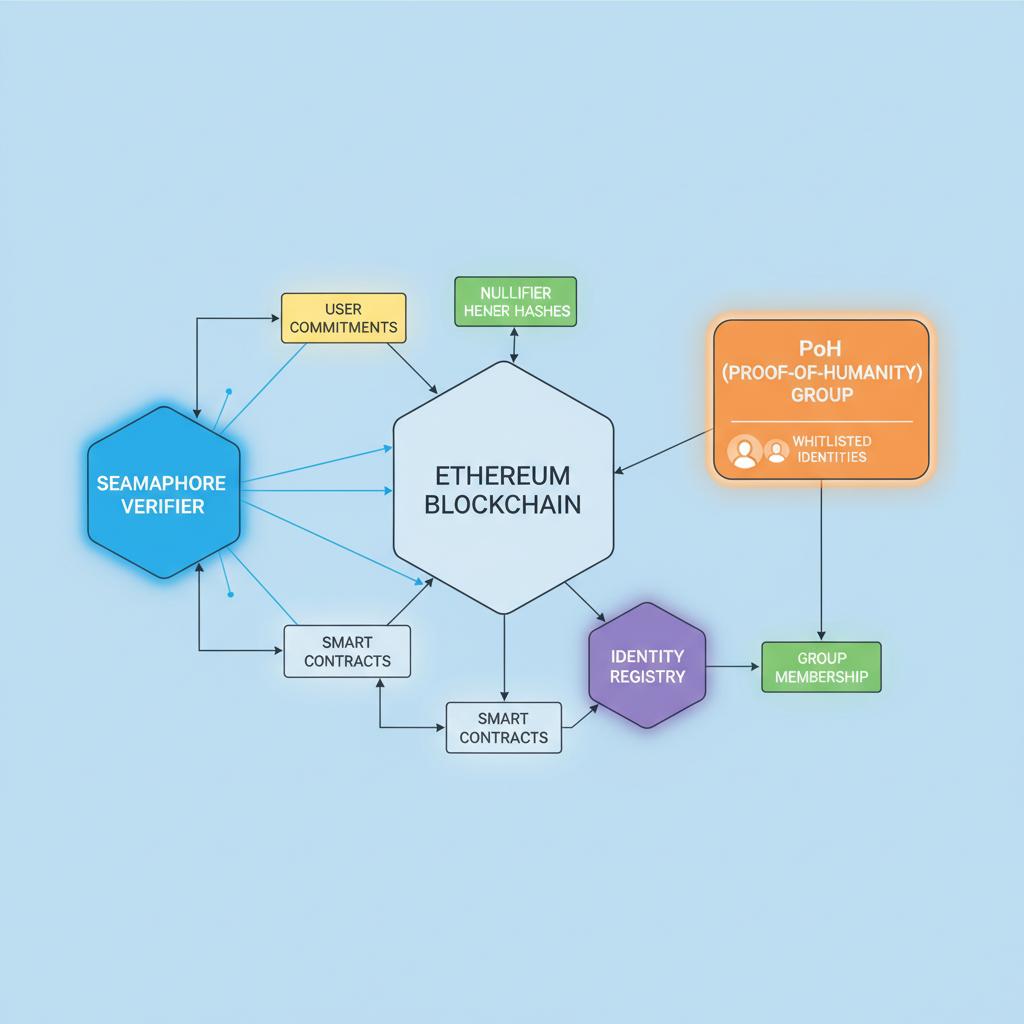
This matters because Web3 demands scalability. Proof of Humanity registries, enhanced by Semaphore, let registered humans signal uniqueness anonymously. No central database vulnerabilities; just math-enforced privacy. Forward-looking developers at ZKHubs see this scaling to mass adoption, powering fair airdrops, governance, and UATs without identity theft risks.
Spotlight on Innovators: Humanity Protocol and World ID Lead the Charge
Humanity Protocol stands out, integrating ZKPs with palm-scan biometrics for decentralized identity. Users register once, then prove humanity via ZK credentials, safeguarding data end-to-end. No more Worldcoin-style iris controversies; palms offer unique, non-invasive uniqueness. Meanwhile, World Developer Docs guide building World ID template apps on World Chain, enabling seamless personhood proofs in dApps.
Semaphore, from Privacy Stewards of Ethereum, builds on Proof of Humanity registries. Humans prove membership without revealing who they are, perfect for anonymous signaling. GitHub’s awesome ZK lists highlight tools accelerating this: libraries for zk-SNARK generation, knowledge bases for integration. These aren’t silos; they’re interoperable building blocks for zk identity verification in Web3.
Pioneering ZK PoH Projects
-
Semaphore: ZK proof of humanity for Proof of Humanity registrants, enabling signaling without doxing or revealing identities. Key privacy: Anti-doxxing groups.
-
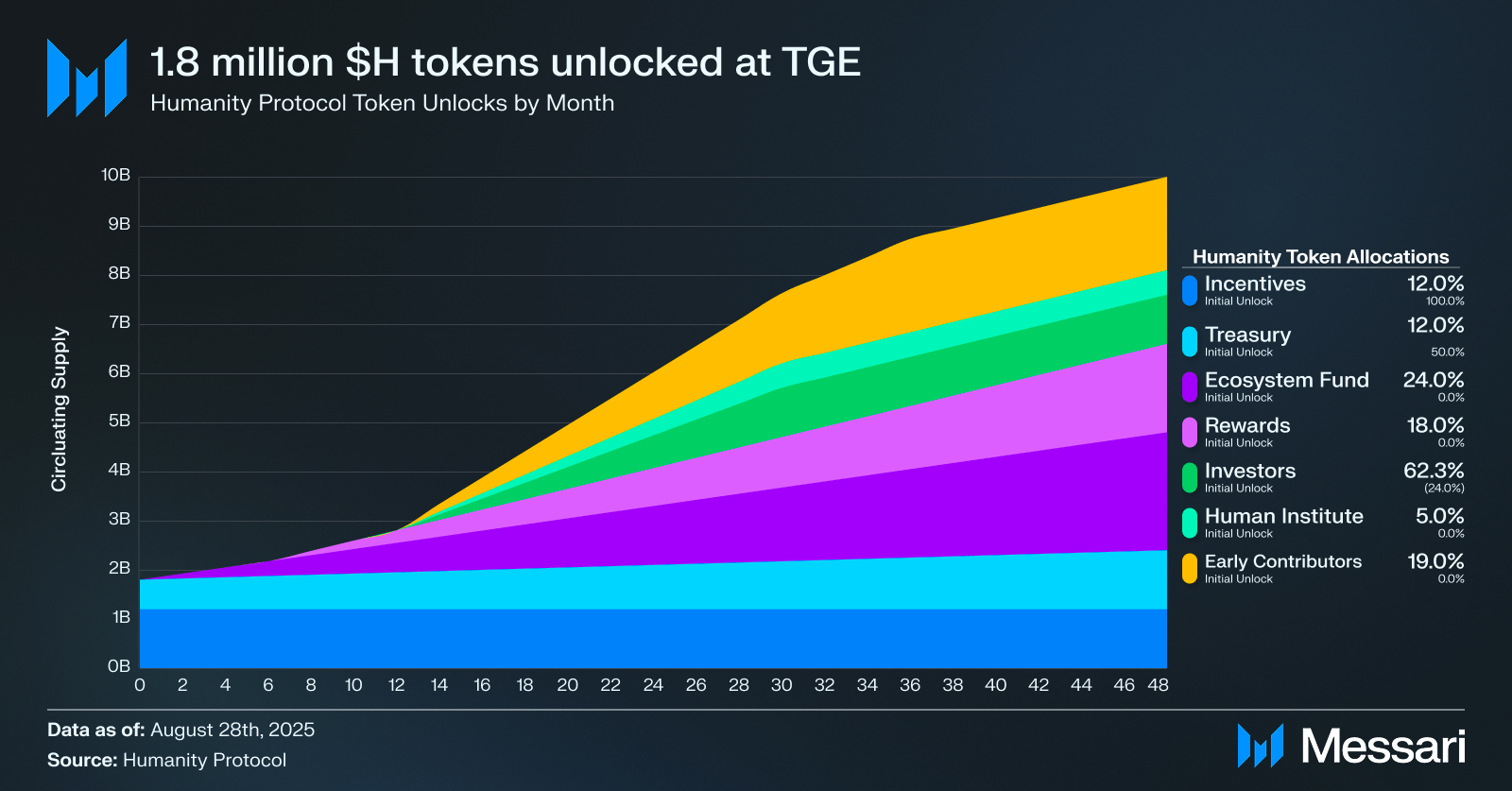
Humanity Protocol: Palm-scan biometrics verified via ZKPs, proving unique human identity without exposing data. Key privacy: Biometric data shielding.
-

World ID: Orb-based personhood proofs with ZK cryptography for apps on World Chain. Key privacy: Unique ID verification sans personal info.
-

Proof of Humanity: Verified human registry for self-sovereign identities and secure applications. Key privacy: Enhances trust without data exposure.
Real-World Impact: Securing Web3 with Privacy-First Credentials
Deploying privacy-preserving proof of humanity transforms applications. Airdrops become sybil-proof; voters signal once without repeat exploits. ZK Email blogs detail recovery with trusted setups, while Reddit cryptography threads affirm ZKPs suit anonymous digital IDs perfectly. Prove government ID possession sans details, or clean hands via human. tech’s Zero Knowledge ID.
Critics note limits, like EFF warnings on ancillary data collection (IP addresses). Yet, ZKPs form a robust base. In 2026’s maturing landscape, expect ZKHubs-like platforms to standardize proof of humanity ZK credentials, optimizing for chains like Ethereum L2s. Developers gain tools; users, sovereignty. This convergence heralds verifiable worlds where humanity trumps data dumps.
Interconnected markets mirror this evolution; just as fundamentals and technicals align for breakout trades, ZK proofs align privacy with verifiability for Web3’s next leg up. Forward-thinking builders aren’t waiting; they’re prototyping zk identity verification Web3 solutions now, drawing from GitHub’s curated ZK arsenals and Blocmates’ breakdowns of palm-powered protocols.
Hands-On Integration: Deploying ZK Proofs in Your dApp
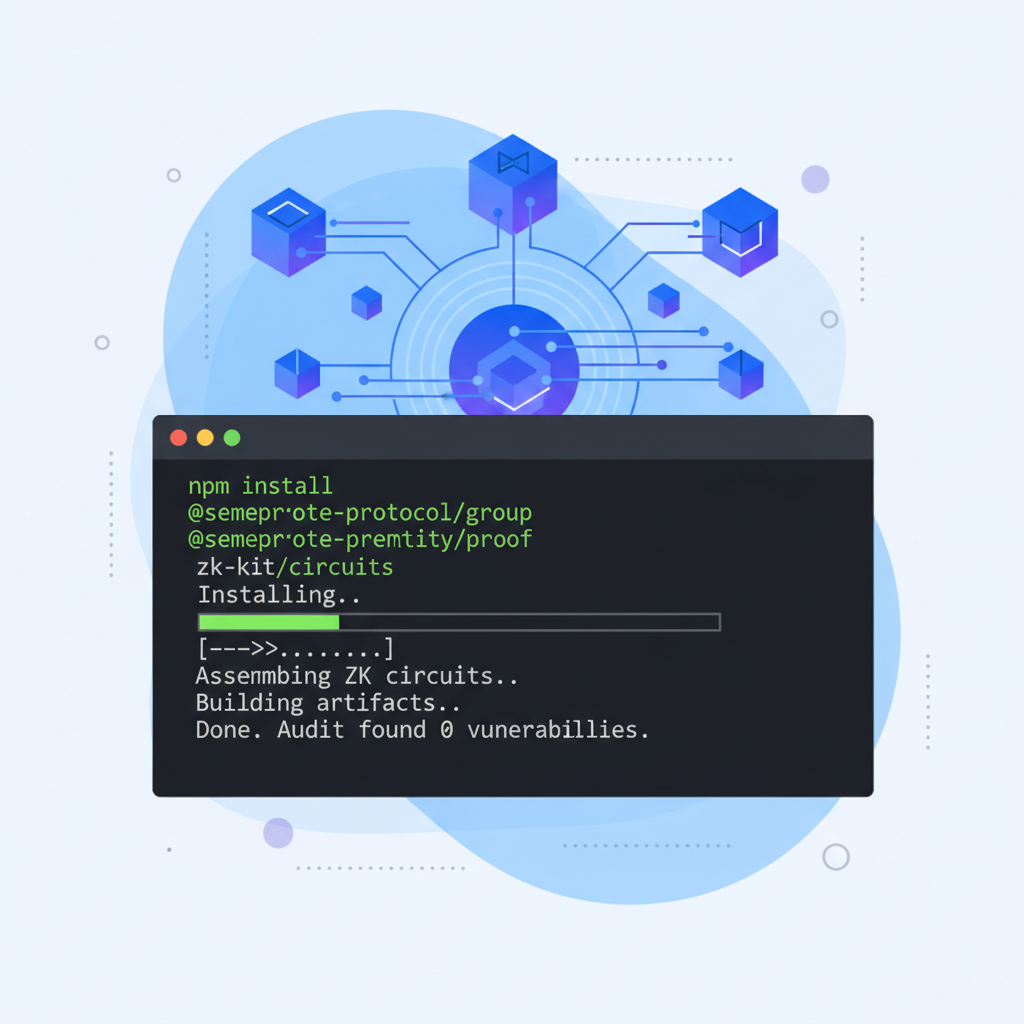
Transitioning from concept to code demands accessible entry points. World Developer Docs outline World ID template apps, deployable on World Chain for instant personhood checks. Semaphore simplifies further, letting Proof of Humanity registrants generate signals without identity leaks. JHU’s Iden3 explorations underscore zk-SNARKs’ edge: succinct proofs that scale, ideal for high-throughput L2s.
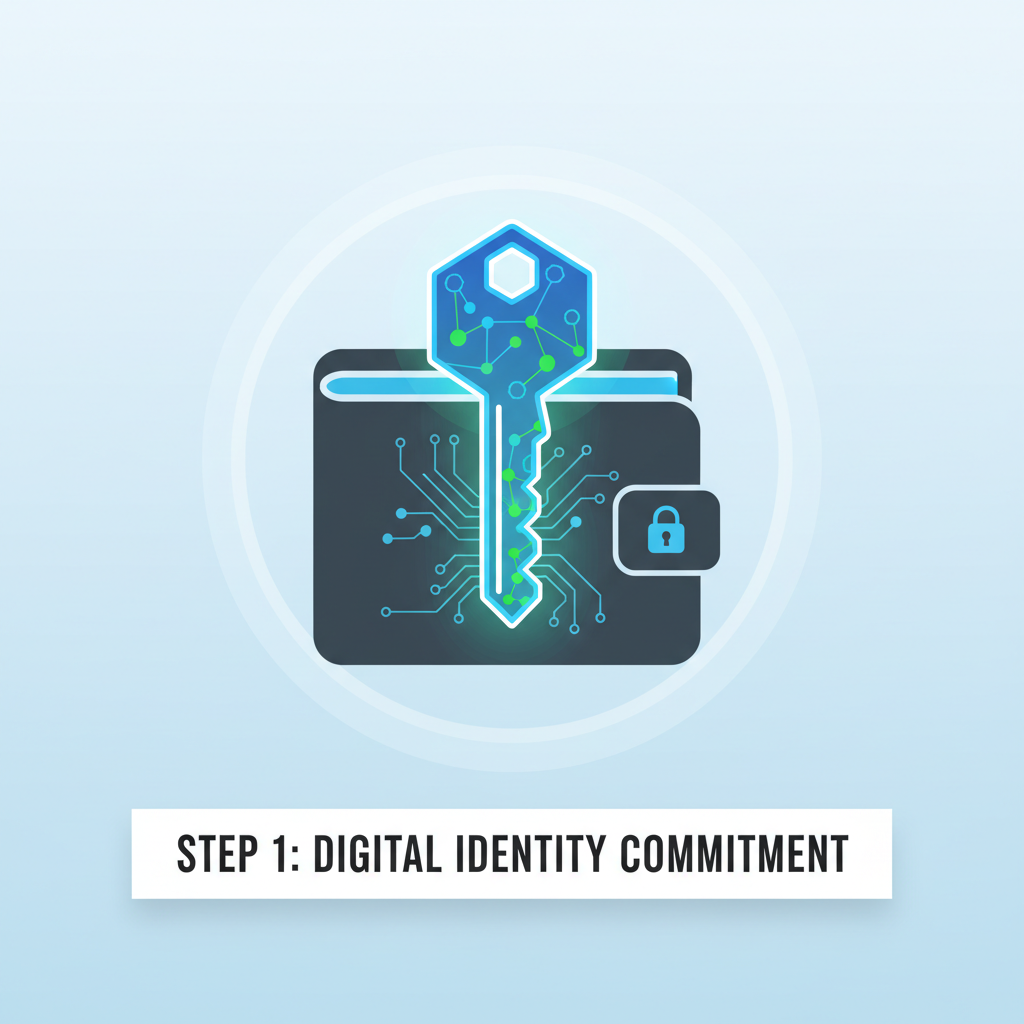
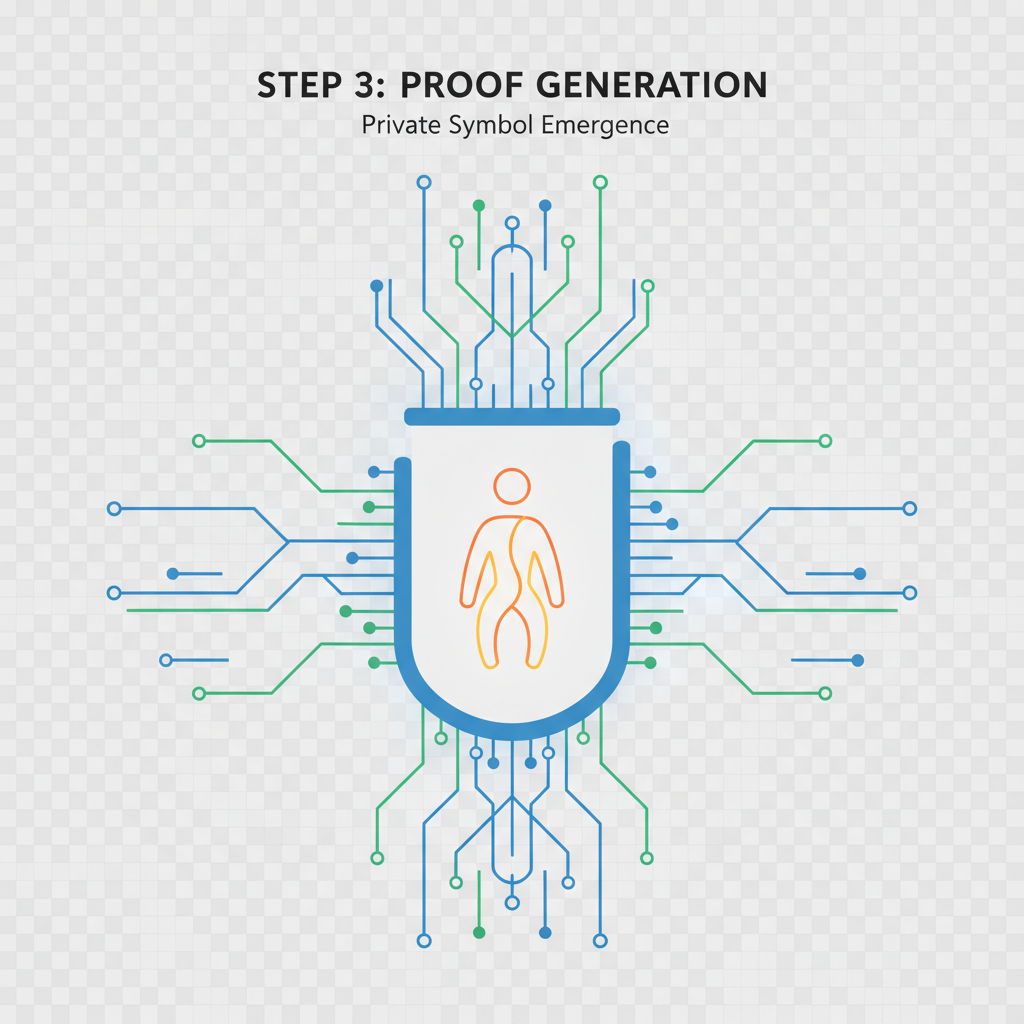
Semaphore ZK PoH Mastery: Integrate Privacy-First Humanity Proofs in Your Web3 dApp
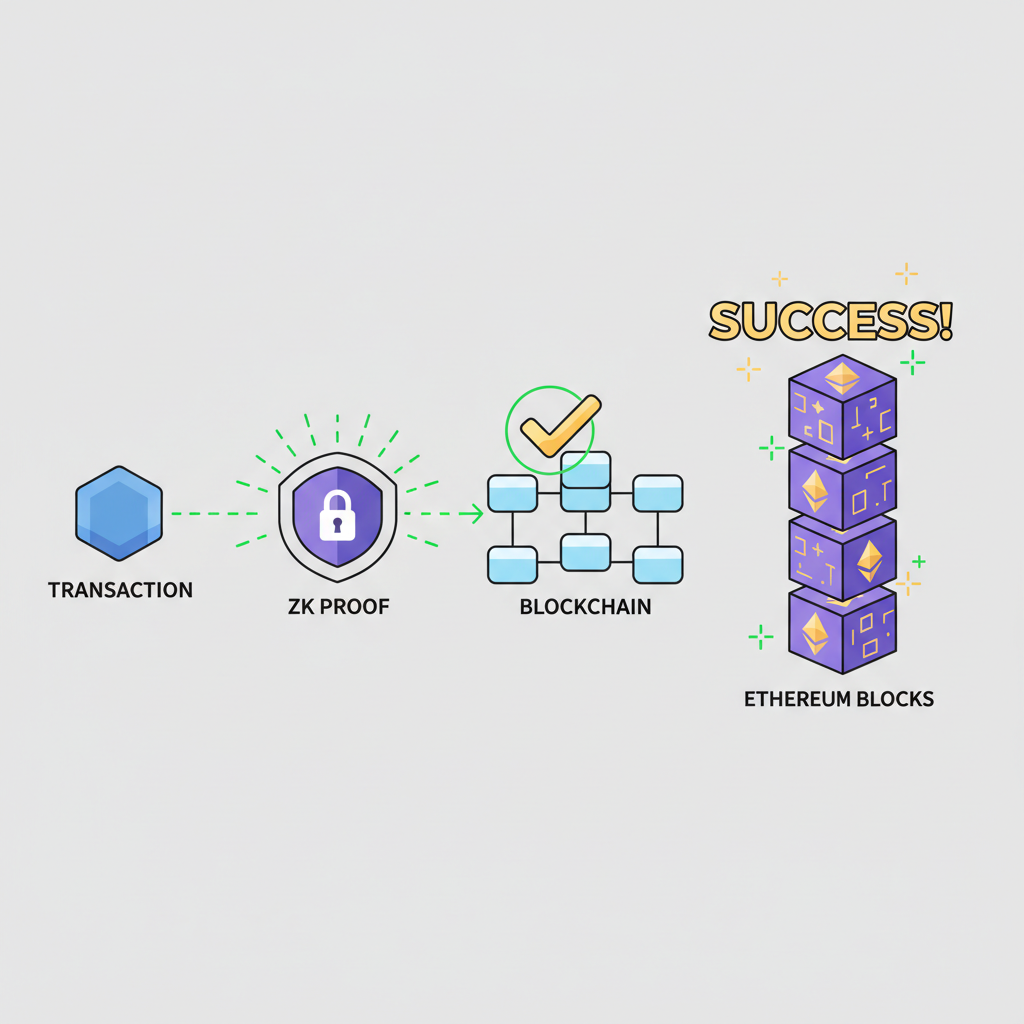
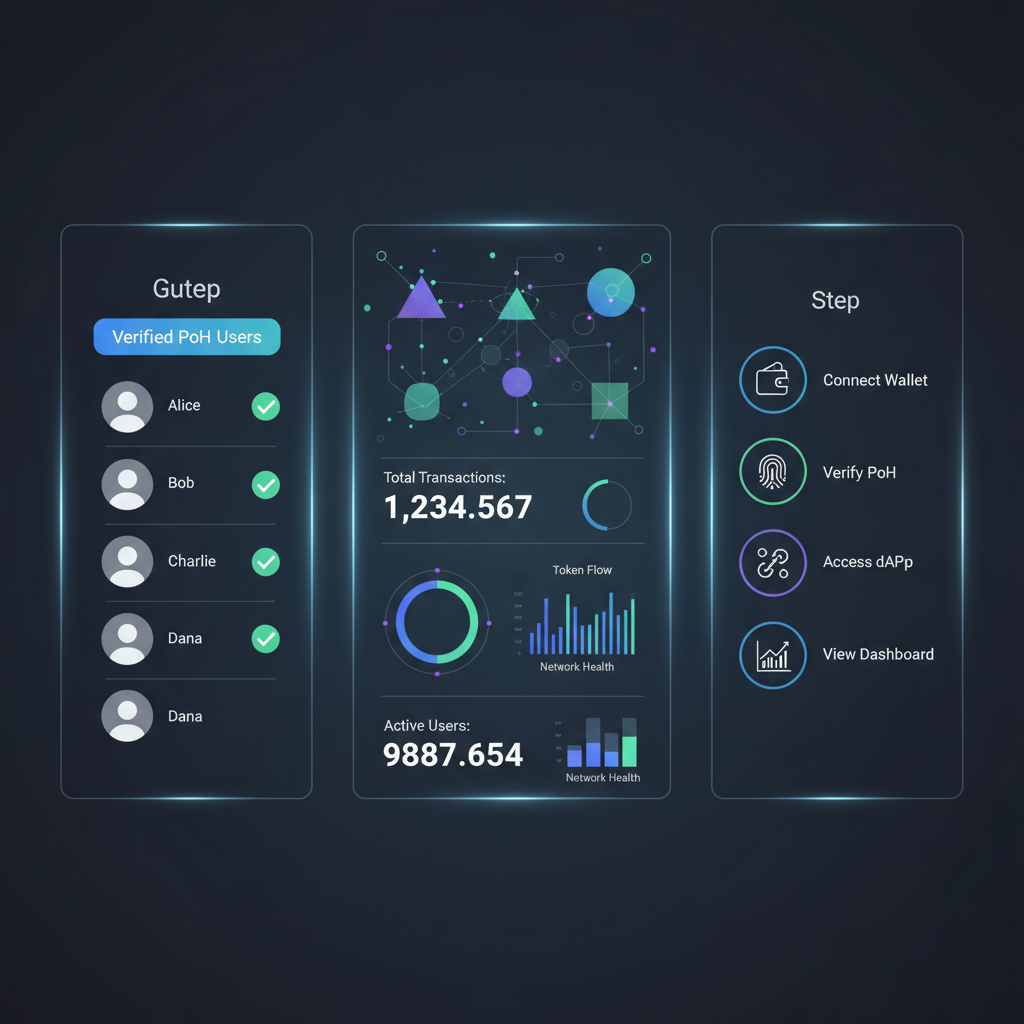
These tools democratize adoption. Picture a governance dApp where voters prove uniqueness via ZK, thwarting whale manipulations. Or fair-launch protocols distributing tokens solely to humans, audited by math alone. ZKHubs. com streamlines this with plug-and-play modules, ensuring developers focus on innovation over crypto plumbing.
Yet nuance tempers optimism. The EFF rightly flags that ZKPs shield core data but not peripherals like IPs or behavioral fingerprints. Privacy stewards counter with layered defenses: Tor integrations, ephemeral sessions, decentralized verifiers. In practice, hybrid approaches prevail, blending ZK with minimal-trust oracles for robust, real-world resilience.

Challenges and Horizons: Scaling Privacy-Preserving Proof of Humanity
Scalability looms large. zk-SNARKs prove efficient, but proving costs energy; recursive proofs and STARK variants promise relief. Humanity Protocol’s palm biometrics sidestep Worldcoin’s regulatory heat, generating ZK-wrapped credentials that affirm uniqueness sans storage risks. Proof of Clean Hands extends this, verifying legal status off-chain without leaks.
Reddit’s cryptography minds and Medium critiques converge: ZK excels for selective disclosure, like government ID possession or sanctions-free status. But mass onboarding hinges on UX. Frictionless palm scans or wallet-based signals could tip the scales, much like mobile banking eclipsed branches.
Looking ahead, 2026 marks inflection. Ethereum’s Dencun upgrade bolsters ZK pipelines; interoperability protocols link PoH registries across chains. ZKHubs anticipates credential marketplaces, where users mint reusable proof of humanity ZK credentials, traded or leased anonymously. This isn’t dystopian surveillance; it’s empowerment, letting individuals control their digital souls amid AI floods.
Projects like ZK Email’s recovery flows and human. tech’s clean-hand proofs preview ecosystems where humanity proofs underpin DeFi yields, social DAOs, even metaverse access. Sybil attacks fade; trust compounds. As markets interconnect, so do identities: one verified human unlocks cascades of opportunity, privacy intact.
Visionaries at ZKHubs. com are already forging these paths, equipping devs with SEO-optimized tools for privacy-preserving proof of humanity. The puzzle pieces align; the big-picture trade is clear. Stake your claim in a verifiable, human-centric Web3 future.