

ZK Proofs vs Human Trust: Building Privacy-First Proof-of-Humanity Systems

In the decentralized world of Web3, where anonymity fuels innovation, verifying human identity without sacrificing privacy has become a pressing challenge. Traditional trust mechanisms rely on centralized authorities or exposed personal data, breeding vulnerabilities like data breaches and sybil attacks. Enter zk proofs proof of humanity: zero-knowledge proofs (ZKPs) that allow individuals to confirm their uniqueness as humans while revealing nothing else. This isn’t just cryptographic wizardry; it’s a paradigm shift toward privacy preserving humanity verification, powering systems like Humanity Protocol’s zkProofers.

Unpacking Zero-Knowledge Proofs: The Cryptographic Backbone
At its core, a zero-knowledge proof enables one party, the prover, to convince another, the verifier, that a statement is true without disclosing underlying details. Imagine proving you know a password without typing it out, or confirming you’re human without sharing biometrics. As Chainalysis notes, ZKPs achieve this through interactive protocols or non-interactive succinct arguments like zk-SNARKs, which are compact and verifiable on blockchains.
Why does this matter for zk identity management web3? In ecosystems rife with bots and fake accounts, ZKPs provide zero knowledge identity trust. They scale efficiently, enhancing privacy, security, and interoperability. NTT Data highlights ZKPs as the technology infusing trustworthiness into Web3 privacy, while Medium articles emphasize applications like proof-of-humanity, where you affirm real humanness sans identity exposure.
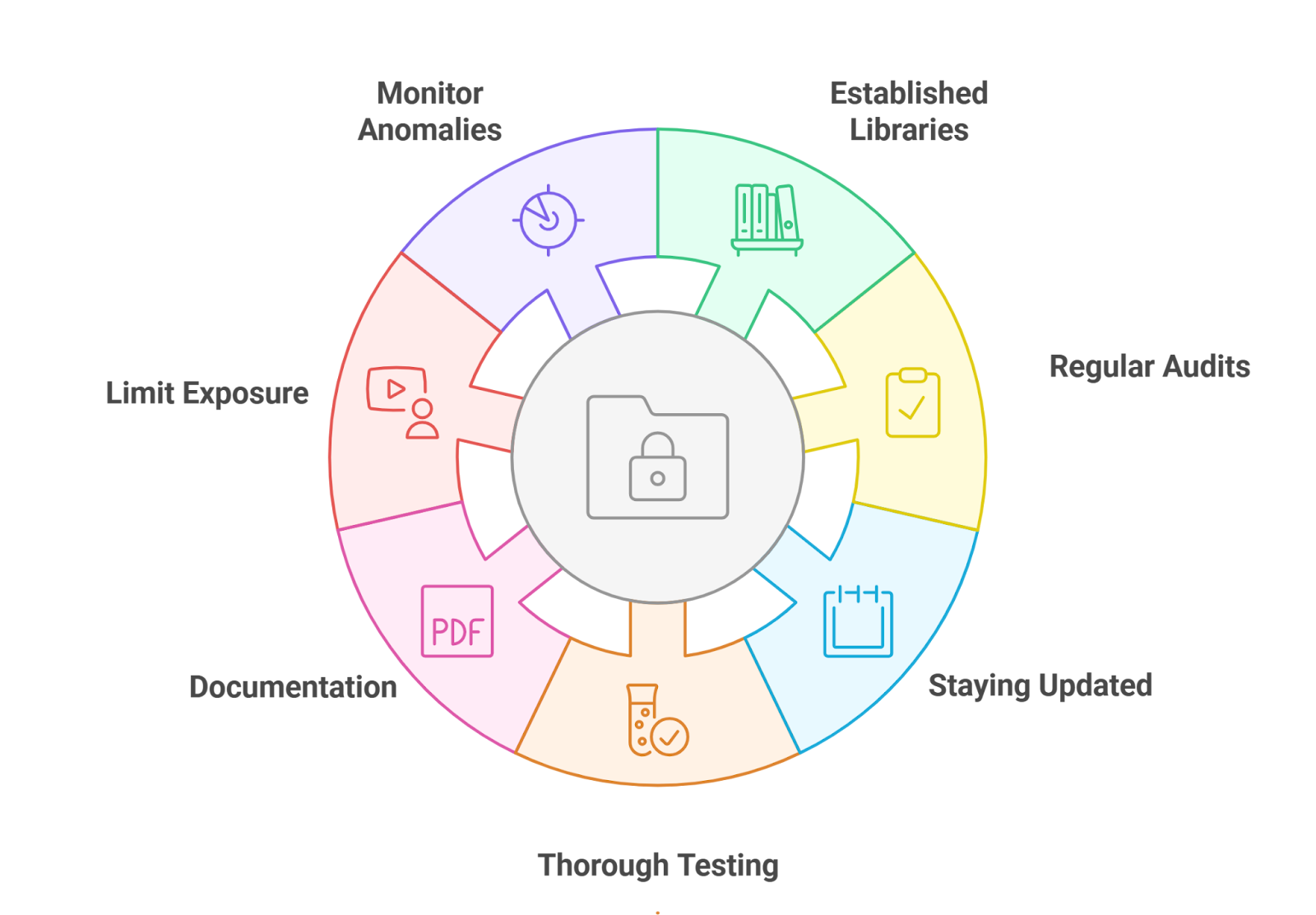
Humanity Protocol exemplifies this with zkProofers: specialized nodes in their PoH consensus that leverage ZKPs to validate human uniqueness. Users scan palms locally, generating a Human ID verified via ZKPs, ensuring no raw data hits centralized servers. This local processing sidesteps privacy pitfalls of traditional biometrics.
The Pitfalls of Human Trust in Legacy Systems
Human trust has long anchored digital interactions, from CAPTCHAs to KYC forms demanding passports and selfies. Yet these methods falter. Centralized databases invite hacks, as seen in Equifax or countless others. CAPTCHAs annoy users and fail against sophisticated bots, while repeated KYC across platforms wastes time and exposes data redundantly.
Proof-of-personhood protocols aim higher but often compromise. Worldcoin’s iris scans sparked backlash over surveillance fears. Enter ZKPs as the antidote: they decouple verification from disclosure. Biometric Update discusses Humanity Protocol’s zkTLS for cross-platform reputation, letting users vouch facts without source documents. Gate. io explores blockchain human verification via ZKPs for anonymous humanness checks.
Opinion: Relying on opaque human trust feels archaic in 2026. ZKPs democratize verification, empowering users over gatekeepers. They’re not flawless, computationally intensive, but advances like Humanity Protocol’s palm tech make them practical.
Humanity Protocol: Pioneering ZK-Powered Proof-of-Humanity
Unlock Privacy-Preserving Proof-of-Humanity: Humanity Protocol’s ZK Process
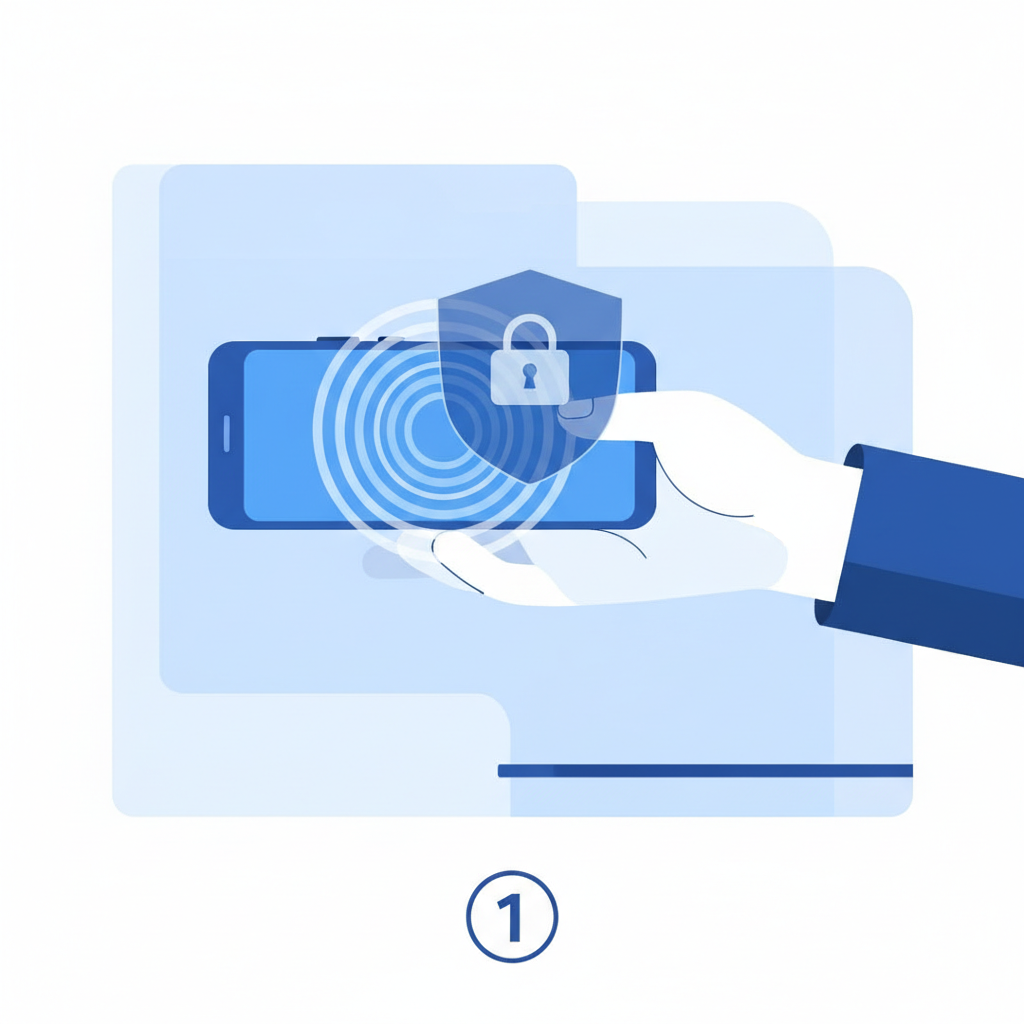 Perform One-Time Palm Scan for Human ID
Start by scanning your palm using the Humanity Protocol app on your device. This on-device biometric process generates a unique, reusable Human ID locally—your raw data stays private and never hits centralized servers.
Perform One-Time Palm Scan for Human ID
Start by scanning your palm using the Humanity Protocol app on your device. This on-device biometric process generates a unique, reusable Human ID locally—your raw data stays private and never hits centralized servers.
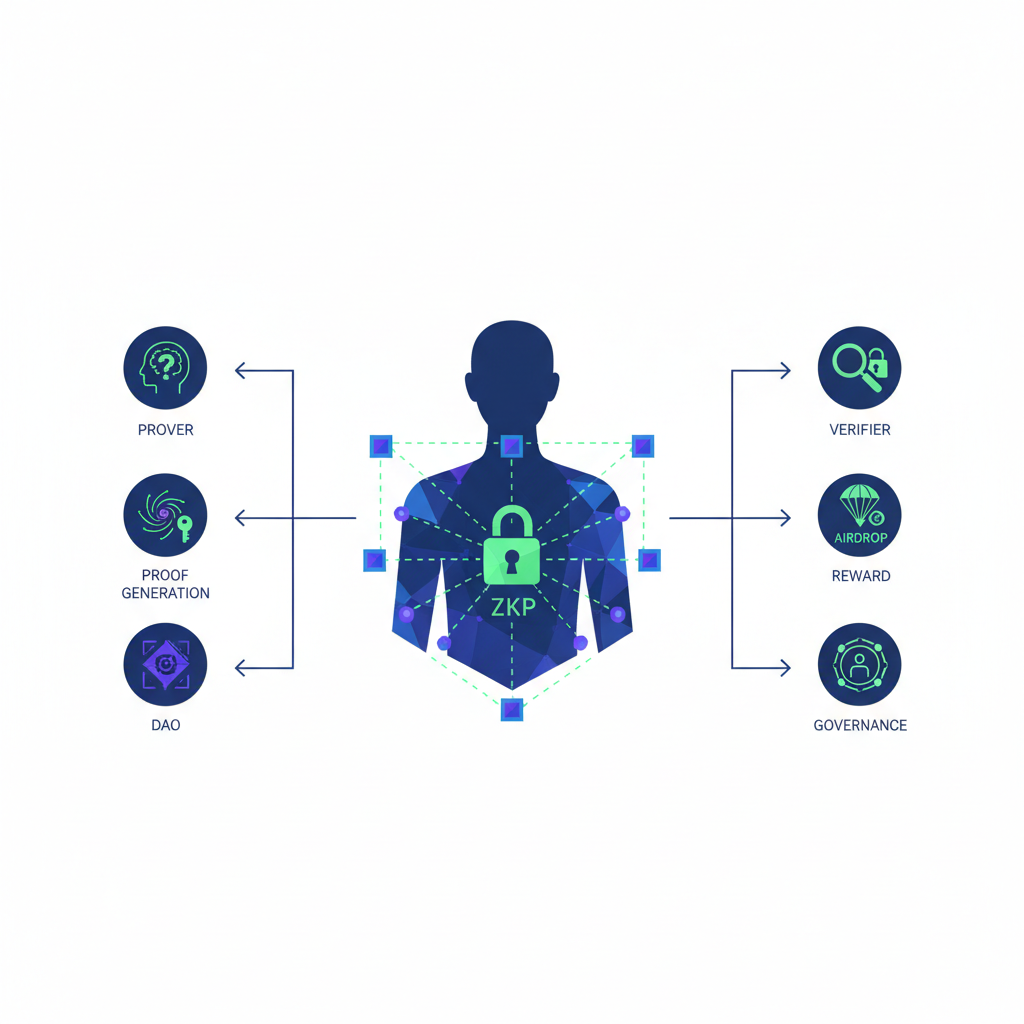 Prove Human ID Validity with ZKPs
Leverage zero-knowledge proofs (ZKPs) to attest your Human ID’s validity for Web3 activities like airdrops, DAO governance, and more. Verify you’re human without exposing any personal details.
Prove Human ID Validity with ZKPs
Leverage zero-knowledge proofs (ZKPs) to attest your Human ID’s validity for Web3 activities like airdrops, DAO governance, and more. Verify you’re human without exposing any personal details.
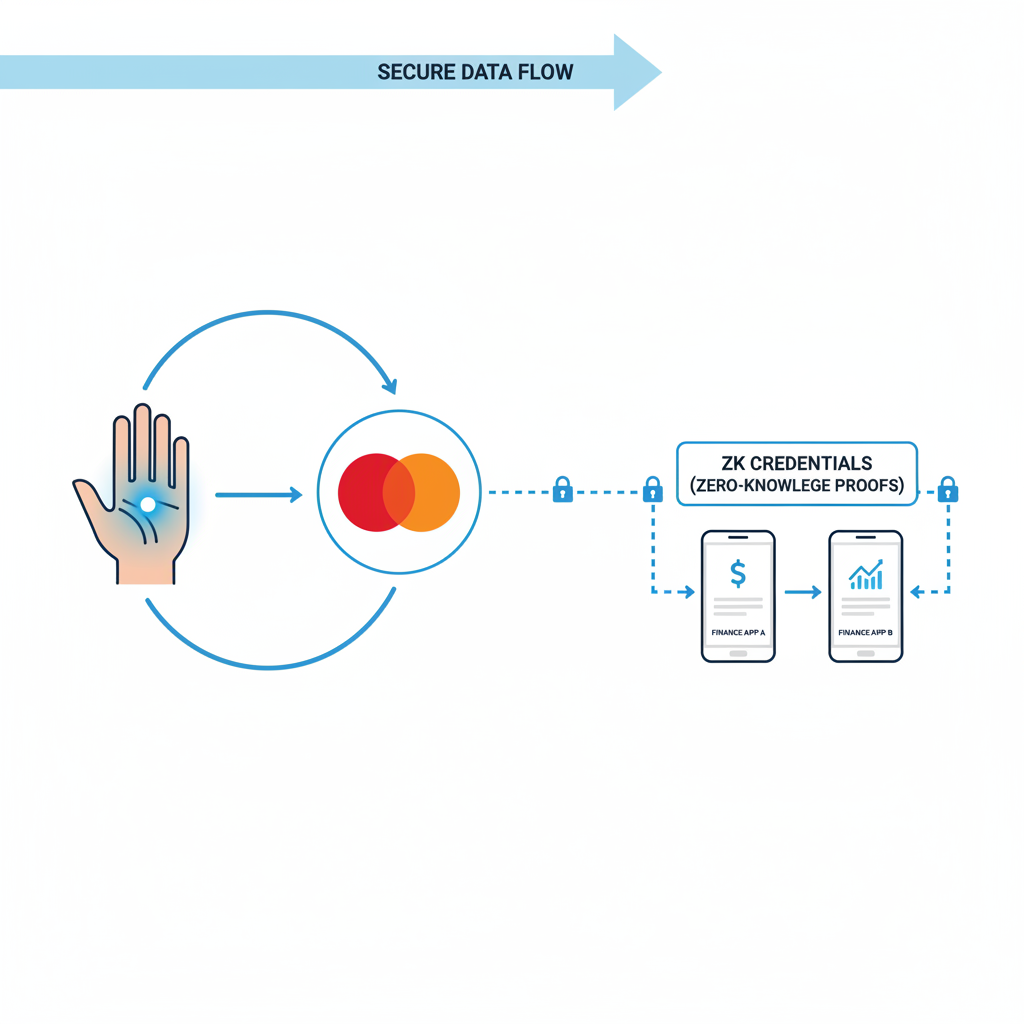 Secure Portable KYC via Mastercard Partnership
Consent once to integrate with Mastercard’s Open Finance rails. Receive zero-knowledge KYC credentials from your palm scan, reusable across platforms without repeated verifications or document uploads.
Secure Portable KYC via Mastercard Partnership
Consent once to integrate with Mastercard’s Open Finance rails. Receive zero-knowledge KYC credentials from your palm scan, reusable across platforms without repeated verifications or document uploads.
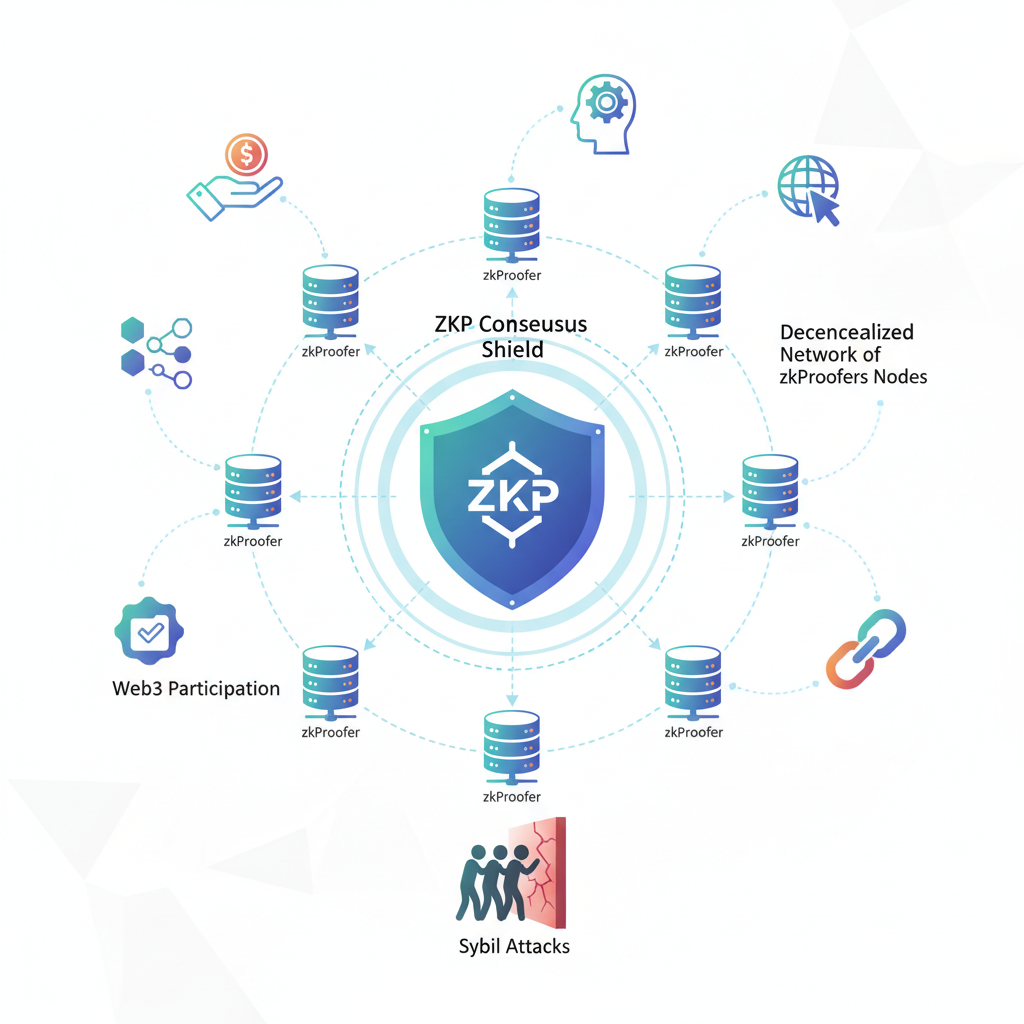 Validate Consensus with zkProofers Nodes
Engage zkProofers nodes, which use ZKPs for Proof-of-Humanity consensus. This ensures sybil resistance, fair Web3 participation, and no doxxing—boosting privacy, minimizing breaches, and enhancing efficiency.
Validate Consensus with zkProofers Nodes
Engage zkProofers nodes, which use ZKPs for Proof-of-Humanity consensus. This ensures sybil resistance, fair Web3 participation, and no doxxing—boosting privacy, minimizing breaches, and enhancing efficiency.
Unlock Privacy-Preserving Proof-of-Humanity: Humanity Protocol’s ZK Process
This fusion addresses Web3’s core tension: trust without tyranny. As adoption grows, expect ZKPs to redefine identity, making human verification seamless and sovereign.
Delving deeper into Humanity Protocol’s ecosystem reveals how zkProofers function as the linchpin. These nodes don’t just validate; they orchestrate a consensus where human uniqueness underpins fair resource distribution in DAOs, airdrops, and governance. Picture a Web3 landscape free from bot farms inflating votes or claiming undue rewards. Interlink’s insights on ZKP applications underscore this: enhanced privacy, security, and scalability make zk identity management web3 viable at scale.
Real-World Edge: ZKPs in Action Beyond Proof-of-Humanity
ZKPs extend far past basic humanness checks, infiltrating authentication and reputation systems. Proving password knowledge without transmission? Routine. Cross-platform reputation via zkTLS, as Biometric Update covers, lets you carry vouching proofs without dragging source docs everywhere. Web3. gate. com spotlights blockchain human verification for anonymous online presence, shielding users from doxxing risks.
In finance, the Mastercard tie-up shines. One palm scan yields reusable zero-knowledge KYC credentials over Open Finance rails. Consent once, verify endlessly across banks and DeFi without resubmitting IDs. This slashes friction while fortifying against breaches; no central honeypot of passports awaits hackers.

Opinion: Traditional trust models treat users like suspects, demanding endless proof. ZKPs flip the script, treating privacy as default. Sure, setup complexity daunts newcomers, but as hardware accelerates ZK computation, barriers crumble. We’re witnessing zero knowledge identity trust mature from theory to toolkit.
ZK Proofs vs. Human Trust: A Side-by-Side Breakdown
Comparison: Traditional Human Trust vs ZK Proofs in PoH Systems
| Aspect | Traditional (Centralized DBs/CAPTCHAs/KYC) | ZK PoH (Humanity Protocol style) |
|---|---|---|
| Privacy 🛡️ | Exposed data | Zero leakage via local palm biometrics & ZKPs 🛡️ |
| Security 🔒 | Breach-prone | Decentralized proofs 🔒 |
| Sybil Resistance | Weak | Robust via biometrics and ZK |
| User Experience | Repetitive friction | One-time seamless (reusable credentials) |
| Scalability | Limited by servers | Blockchain-native |
This table crystallizes the leap. Legacy systems hoard data, inviting Equifax-scale nightmares. ZK-powered PoH processes biometrics on-device, hashing into proofs that chains verify without reconstruction. Efficiency surges; no more platform-hopping with selfies.
Navigating Challenges on the Path Forward
No tech utopia lacks hurdles. ZKPs demand hefty computation, though zk-SNARK optimizations and specialized hardware like GPUs narrow the gap. Biometric equity poses questions: does palm scanning favor certain demographics? Humanity Protocol counters with local processing and non-stored data, minimizing misuse vectors. Regulatory fog lingers too; KYC mandates clash with pure anonymity, but hybrid models like portable credentials bridge that.
Yet the momentum builds. Proof-of-personhood protocols evolve, blending ZKPs with social graphs or multi-factor signals for ironclad verification. Identity Management Institute notes ZKPs prove possession without disclosure, ideal for selective revealing in Web3. As zkProofers proliferate, expect PoH to underpin universal basic income trials, fair NFT drops, and bot-proof social layers.
Privacy preserving humanity verification isn’t a distant dream; it’s deploying now. Systems like Humanity Protocol prove zk proofs proof of humanity can supplant brittle trust chains with cryptographic certainty. Developers, grab these tools from ZKHubs. com to embed in dApps. Users, reclaim sovereignty over your digital self. The future? Human-centric Web3, where verification empowers rather than exposes.