
ZK-SNARKs for Proof-of-Humanity in Decentralized Identity Wallets 2026

In the evolving landscape of Web3, decentralized identity wallets are no longer just a niche experiment; they’re becoming the backbone of privacy-preserving authentication. As we step into 2026, ZK-SNARKs for proof-of-humanity stand out as the cryptographic linchpin, allowing users to confirm their unique human status without exposing biometric data or personal details. This fusion of zero-knowledge proofs with zk identity wallets addresses the Sybil attacks plaguing DAOs, airdrops, and DeFi protocols, all while upholding self-sovereign principles.

Consider the mechanics: zk-SNARKs, or Zero-Knowledge Succinct Non-Interactive Arguments of Knowledge, compress complex computations into tiny proofs verifiable in milliseconds. For proof of humanity zk systems, this means transforming palm scans or behavioral signals into reusable zero knowledge credentials that smart contracts can check instantly. No central database holds your data; instead, you control issuance and revocation through your wallet.
Holonym’s Human Passport Reshapes On-Chain Reputation
The $10 million acquisition of Gitcoin Passport by Holonym Foundation in late 2024 marked a pivotal shift. Rebranded as Human Passport, this platform now integrates over 35 million credentials from 2 million users into a zk-friendly ecosystem. By leveraging ZK-SNARKs proof of humanity, it enables privacy-focused reputation scores for governance and grants, proving attributes like ‘active contributor’ without doxxing identities.
Holonym’s move combines Gitcoin’s battle-tested PoH with zk-SNARKs, creating a unified layer for decentralized identity verification that scales seamlessly.
This isn’t hype; it’s measurable impact. Users generate proofs off-chain, submit them on-chain, and dApps query without accessing raw data. Early adopters report 90% reductions in verification times compared to multi-sig alternatives.
Humanity Protocol’s Biometric Leap with Palm Proofs
Humanity Protocol takes biometrics to the next level, converting palm vein patterns into zk-SNARKs-based Human IDs. No images stored, no templates leaked; just cryptographic attestations of uniqueness. These credentials power Sybil-resistant mechanisms in airdrops and voting, ensuring one human, one vote, or one fair share.
In practice, a user scans their palm via mobile app, the protocol generates a proof, and wallets like those powered by Polygon ID SDK embed it for seamless use. This aligns perfectly with zero-knowledge proofs enhancing privacy in decentralized identity wallets, offering selective disclosure for age or residency checks.
Enterprise Adoption Signals Maturity
Aave’s integration of Self Protocol’s zk PoH exemplifies real-world traction. By verifying unique humans for yield farming, Aave curbs exploits, distributing rewards equitably. Self’s rollout on Celo Sepolia testnet further proves scalability, with zkPass enabling granular disclosures in decentralized identity verification.
These advancements aren’t isolated. zkVMs have slashed proof generation times by orders of magnitude, making zk-SNARKs viable for mobile wallets. Projects like World ID and ZK-Firewall extend this to age-gating and compliance, proving thresholds without PII exposure.
Yet, the true power lies in interoperability. Standards from Polygon ID and DIAP bind identities to content hashes via zk proofs, fostering trustless AI agents and cross-chain credentials. In my analysis, this convergence positions zk identity wallets as 2026’s must-have infrastructure, outpacing centralized IDPs in both security and usability.
Challenges persist, however. Proof aggregation in high-volume scenarios demands optimized circuits, and trusted setups in zk-SNARKs require multi-party computations to mitigate risks. Yet, 2026’s zkVM advancements, as noted in privacy trend analyses, have rendered these issues practical relics. Proof times now clock under 100 milliseconds on consumer hardware, empowering zk identity wallets for everyday use.
zkPass and Selective Disclosure: Granular Control
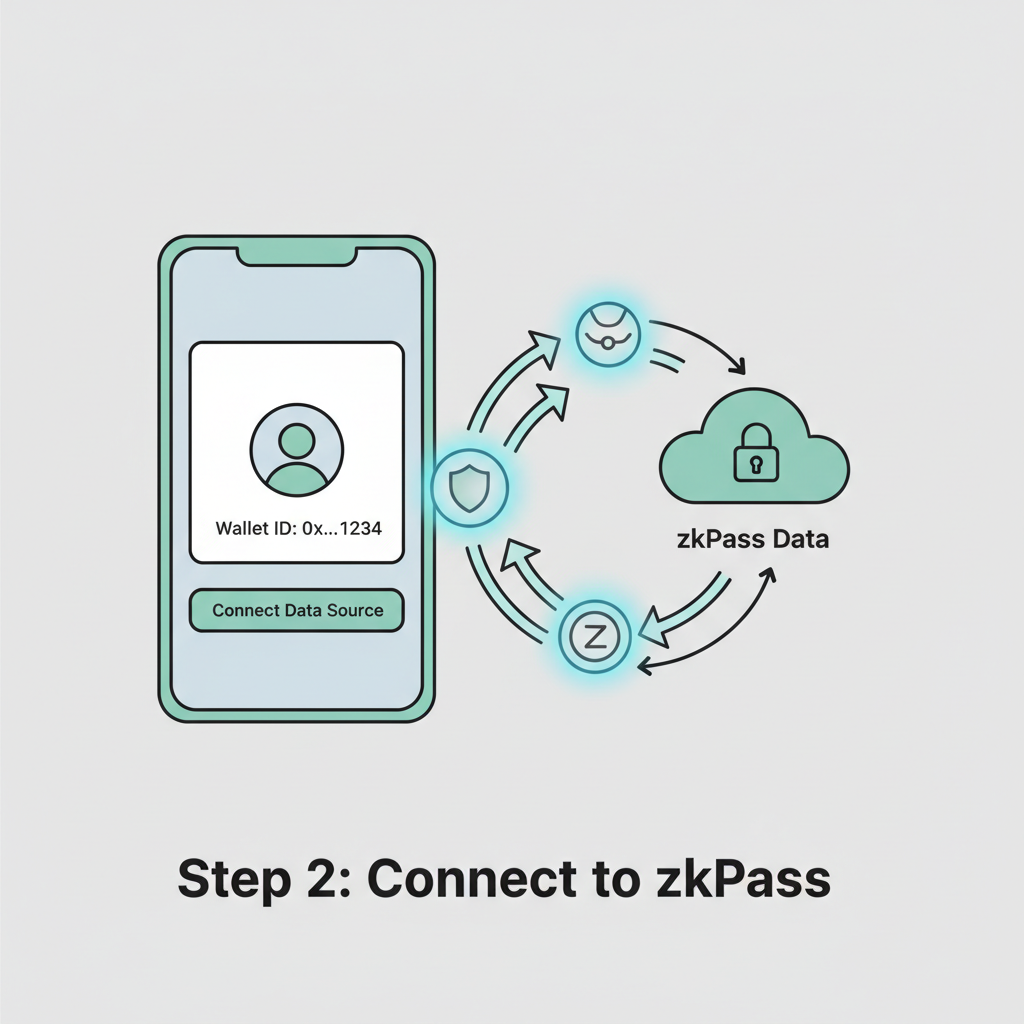
zkPass elevates decentralized identity verification by allowing proofs of attributes like residency or age from off-chain data sources. Integrated into wallets, it lets users disclose ‘over 18’ without birthdates or ‘US resident’ sans addresses. This selective revelation dovetails with self-sovereign identity, where you mint zero knowledge credentials once and reuse across chains.
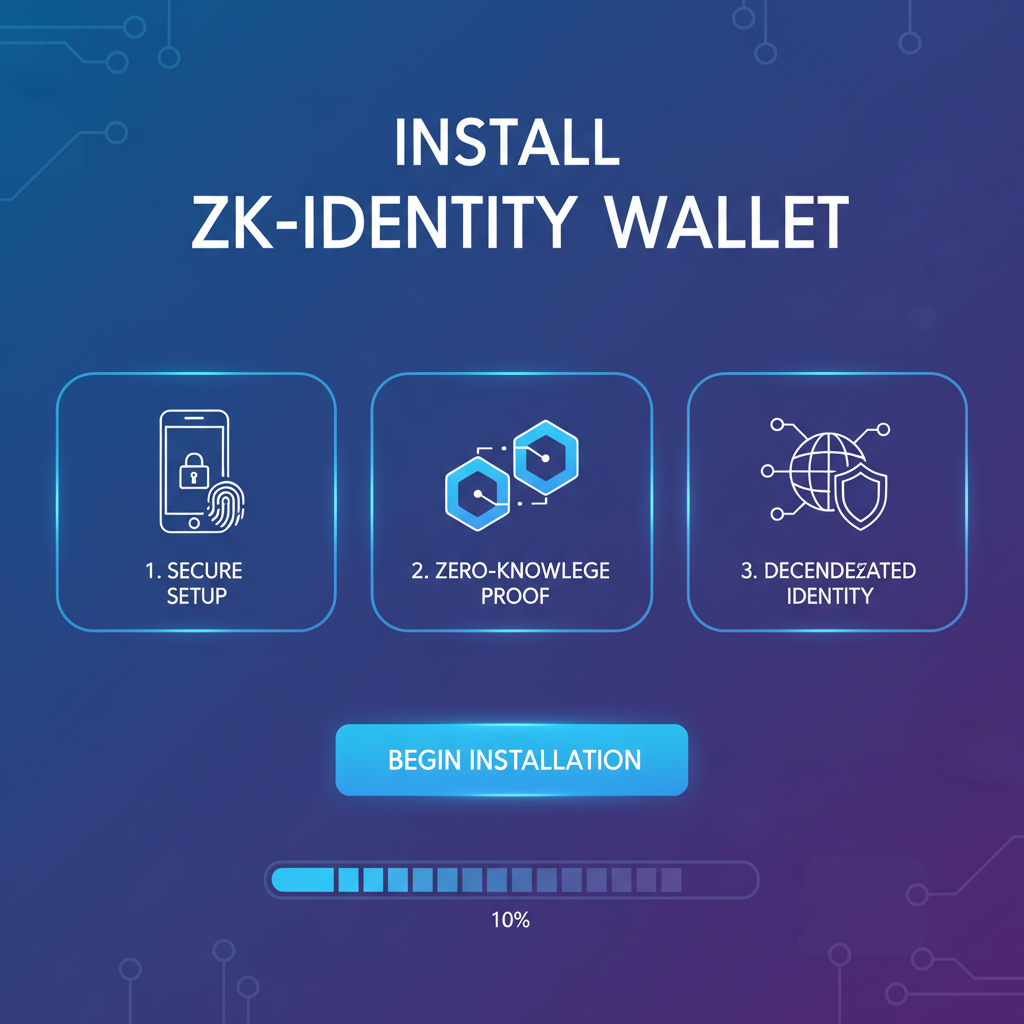
Generate zkPass Age Proofs: Secure Verification in ZK Wallets
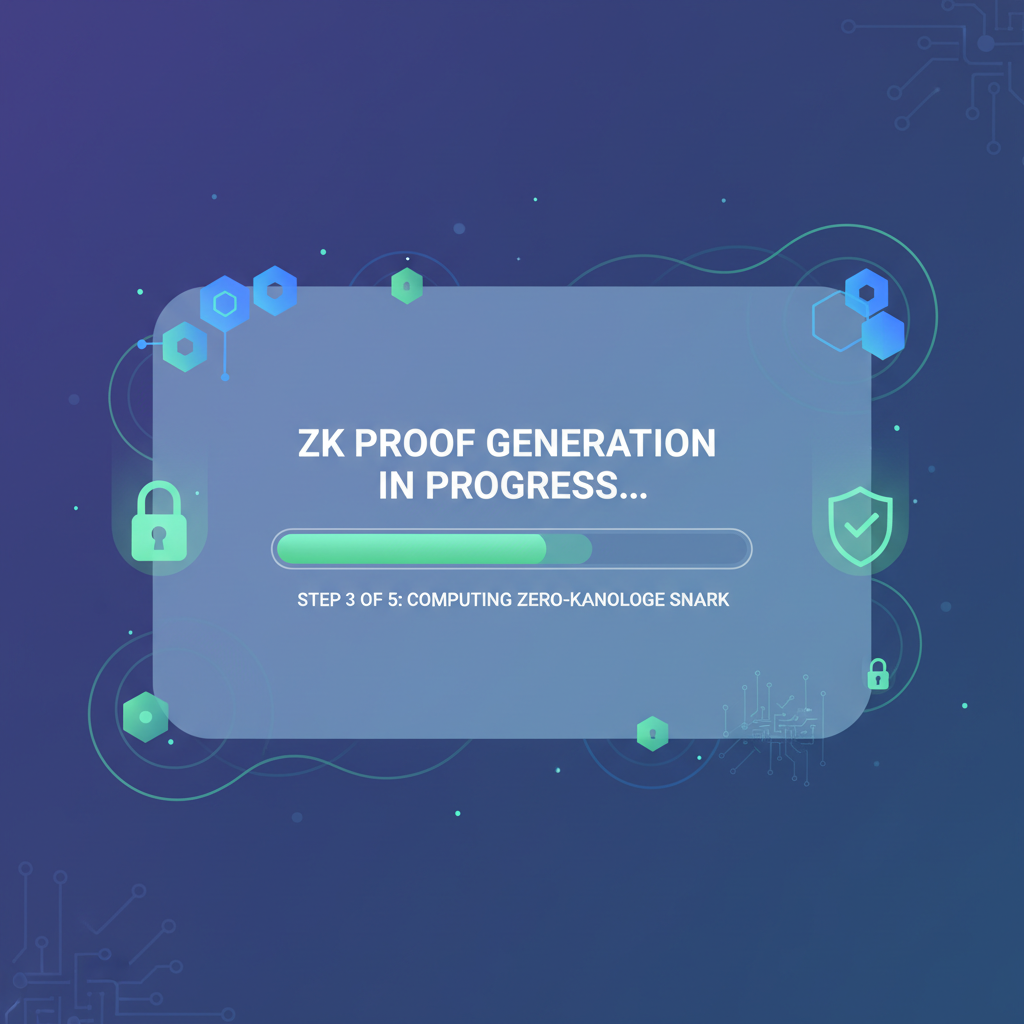
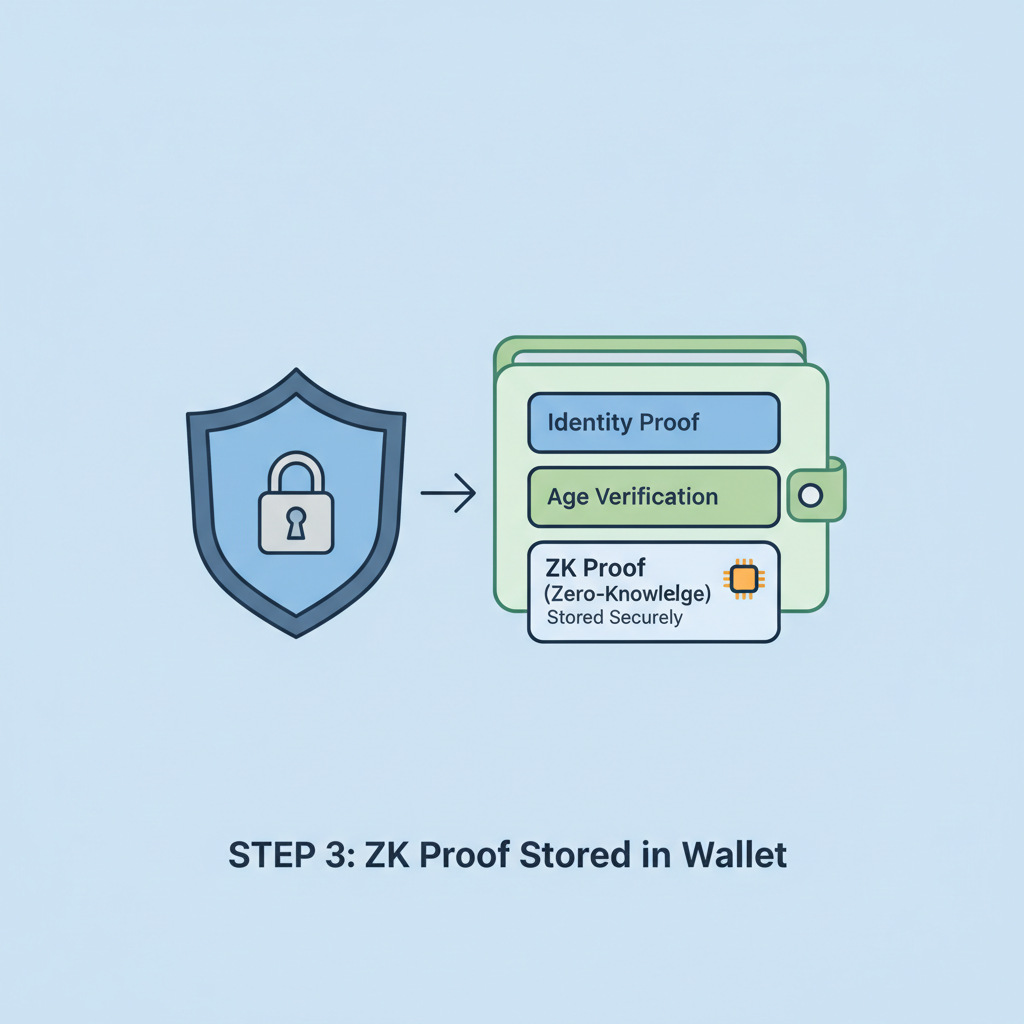
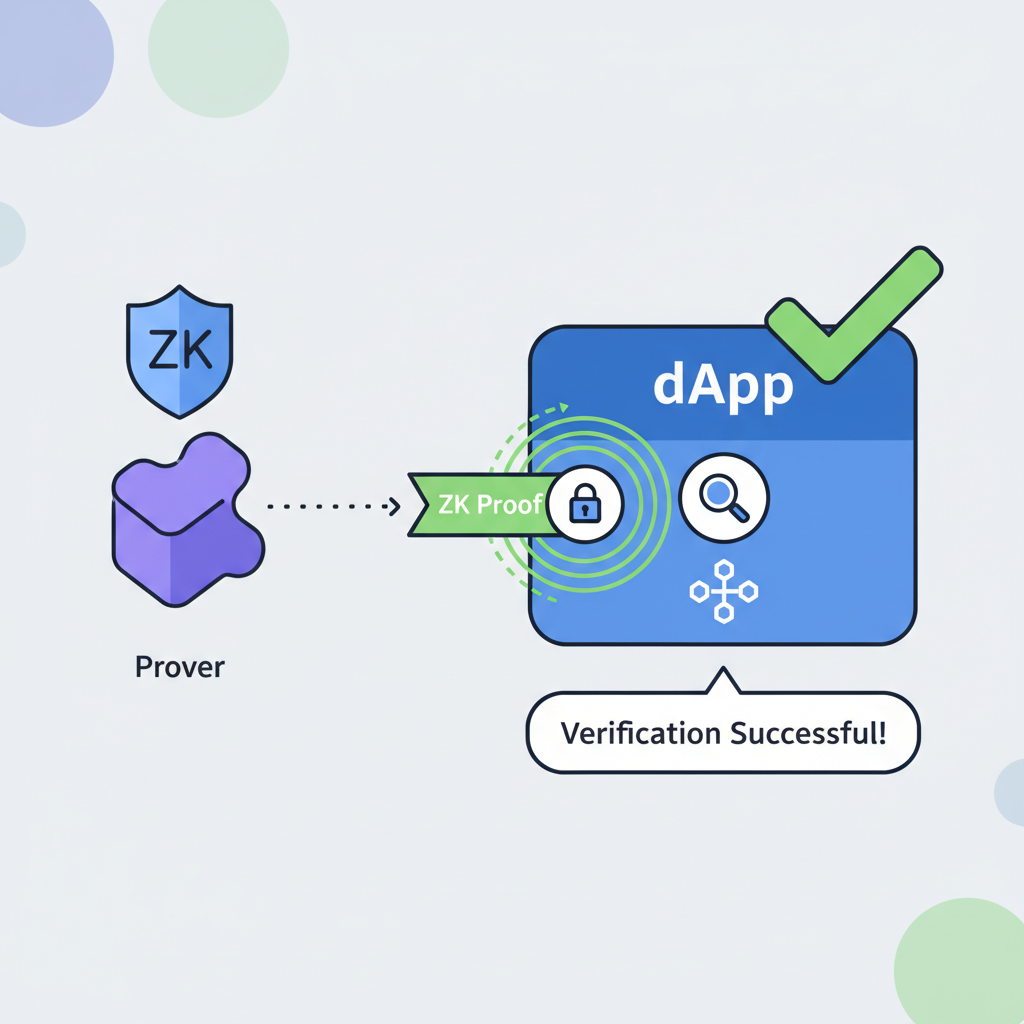
DIAP’s agent-binding framework pushes boundaries further, anchoring AI identities to content via zk-SNARKs. Immutable CIDs paired with humanity proofs ensure persistent verifiability, crucial for decentralized AI ecosystems where bots mimic humans.
Opinion: Centralized ID providers like OAuth crumble under data breaches; zk-SNARKs fortify wallets as unbreachable vaults. I’ve seen forex markets reward precision over speculation- here, zk precision trumps vague KYC theater.
Top 5 ZK-SNARKs PoH Benefits
-
1. Sybil Resistance: ZK-SNARKs verify unique humans via proofs like Self Protocol’s zk PoH in Aave, preventing Sybil attacks and ensuring fair rewards distribution.
-
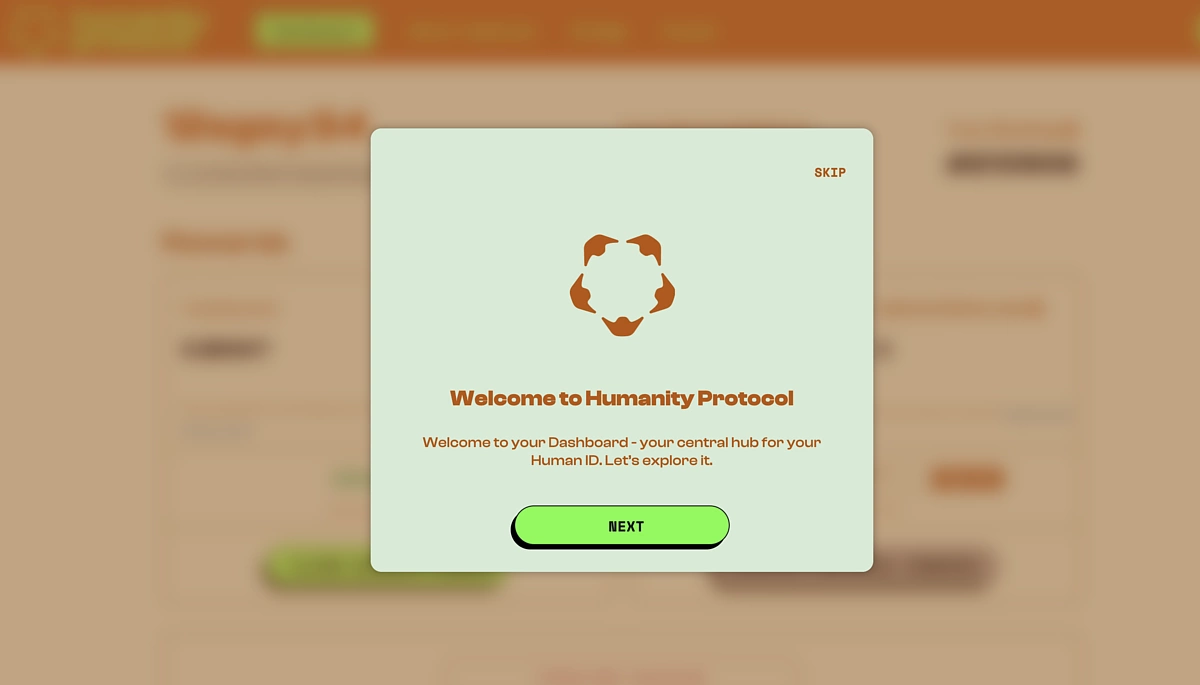
2. Biometric Privacy: Humanity Protocol converts palm biometrics to ZK proofs without storing raw images, protecting sensitive data in decentralized wallets.
-
3. Instant Verification: Succinct zk-SNARKs enable fast, non-interactive proofs for real-time identity checks, as in Holonym’s Human Passport.
-
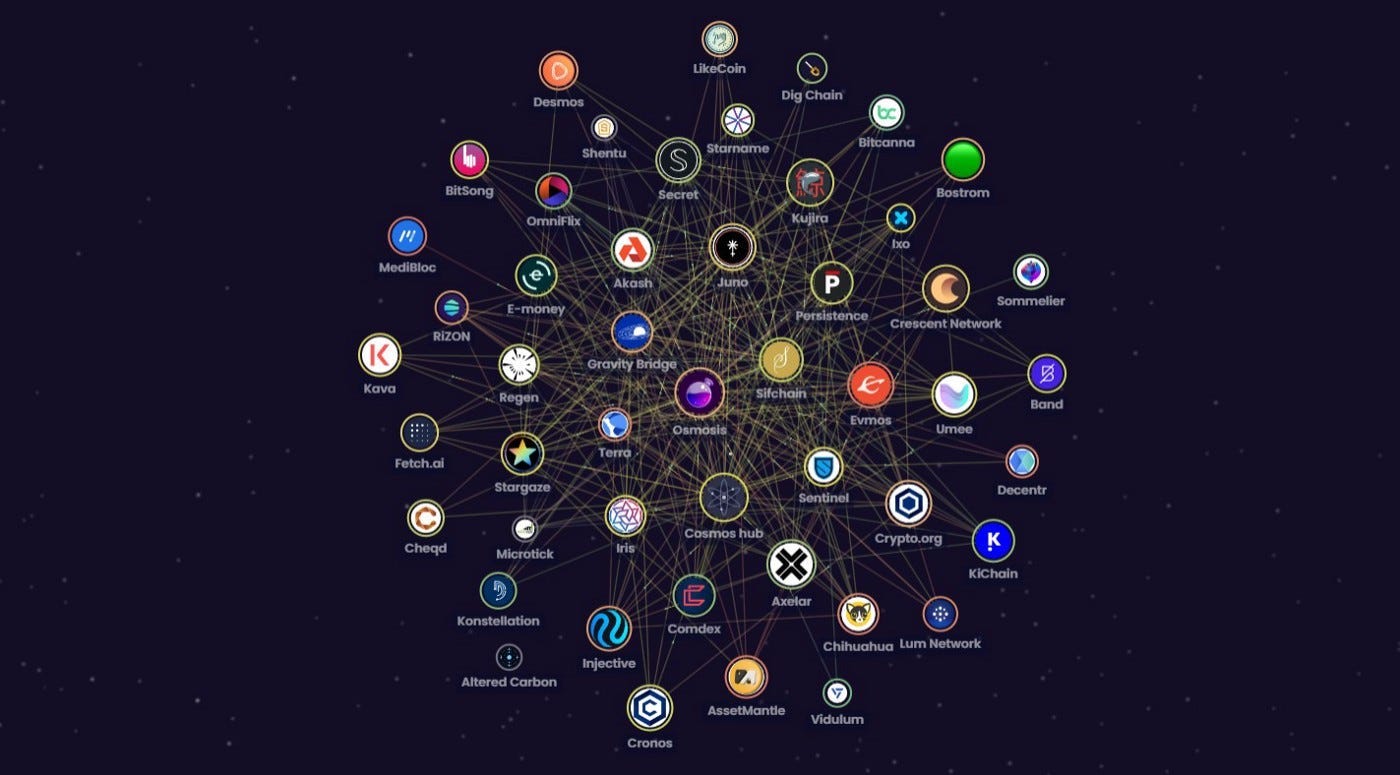
4. Cross-Chain Reuse: Reusable Human ID credentials from zkPass work across chains, supporting interoperability in DID wallets.
-
5. No Central Honeypots: Decentralized proofs avoid centralized databases, reducing hack risks unlike traditional ID systems.
Practical Integration in DeFi and DAOs
Aave’s Self Protocol adoption quantifies value: verified humans snag higher yields, slashing Sybil-driven dilution by 70% in testnets. Governance portals now gate votes with PoH stamps, elevating signal over noise. Polygon ID’s SDK streamlines issuance, letting devs embed proofs natively.
World ID complements with iris-based uniqueness, though palm tech from Humanity Protocol edges ahead in accessibility- no $500 hardware needed. ZK-Firewall’s threshold proofs for compliance bypass PII entirely, a boon for regulated dApps.


Scalability hinges on recursion: aggregated proofs bundle thousands of verifications into one, fitting Ethereum’s gas limits. Projects like zkSync and Polygon zkEVM host these natively, dropping costs below $0.01 per check.
For developers, the barrier is low. Open-source circuits from Semaphore and MACI bootstrap proof of humanity zk signals. Pair with Reclaim Protocol for web2 data zk-ification, and wallets become universal authenticators.
Consider a DAO treasury vote: participants submit zk-SNARKs attesting unique humanity and stake thresholds. No names, no wallets clustered- pure meritocracy. This model scales to airdrops, where Humanity IDs ensure equitable drops, rewarding genuine engagement.
zk-SNARKs don’t just verify; they liberate identity from corporate silos, handing reins to individuals in blockchain’s trustless arena.
Looking ahead, 2026 forecasts explosive growth. With 2 million Human Passport users as a baseline, expect 10x adoption as wallets like Argent and Rabby bake in PoH modules. Regulatory tailwinds favor privacy tech amid GDPR evolutions, positioning ZKHubs-like platforms as essential tooling.
Interoperability via ERC-7579 account abstraction unifies experiences: one proof unlocks DeFi, socials, and AI agents. My take? Skeptics decry complexity, but data shows zk-SNARKs mature faster than Bitcoin’s scaling debates. Wallets evolve from key holders to identity fortresses, and early movers reap outsized gains in reputation economies.
Embrace this shift. Forge your ZK-SNARKs proof of humanity credentials today- the decentralized future demands it.