

ZK Proofs for Proof-of-Personhood: Enabling Sybil-Resistant Decentralized Identity in Web3

In the sprawling ecosystems of Web3, where trustlessness reigns supreme, one insidious threat looms large: Sybil attacks. Malicious actors create hordes of fake identities to manipulate governance, drain airdrops, or skew consensus. Traditional defenses like stake-weighted voting favor the wealthy, while rate limits stifle genuine users. Enter proof-of-personhood (PoP) powered by ZK proofs – a privacy-preserving bulwark that verifies unique humans without exposing personal data. This fusion of zk proof of personhood promises sybil-resistant zk identity, unlocking fair participation in decentralized networks.


The Imperative for Sybil-Resistant Decentralized Identity
Sybil resistance isn’t a nice-to-have; it’s the bedrock of equitable Web3. As protocols like Worldcoin’s World ID demonstrate, PoP enables true one-person-one-vote systems, contrasting sharply with token-based plutocracies. Yet, biometric scans via orbs raise centralization red flags, as critics note their vulnerability to coercion or data monopolies. Here, decentralized identity zk solutions shine, leveraging zero-knowledge proofs to attest uniqueness onchain without revealing biometrics or credentials.
Consider the stakes: without robust PoP, decentralized finance remains hypothetical, governance devolves to whales, and airdrops reward bots. Projects drawing from arXiv research on zero-knowledge proof-of-identity aim for global-scale, permissionless uniqueness proofs. This isn’t mere tech; it’s a value anchor for sustainable networks, ensuring every human counts equally.
Key Sybil Resistance Methods
-
Rate Limits: Traditional method capping actions per IP or account to curb mass Sybil attacks, ensuring fair access.
-

Stakes: Economic barriers requiring token deposits, deterring fake accounts via financial risk in governance or voting.
-

Biometrics (Worldcoin): Iris scanning via Orbs for unique human verification, enabling one-person-one-vote privacy.
-

ZK-Enhanced PoP (Humanity Protocol): Palm biometrics with zero-knowledge proofs for private, Sybil-resistant identity proofs.
-
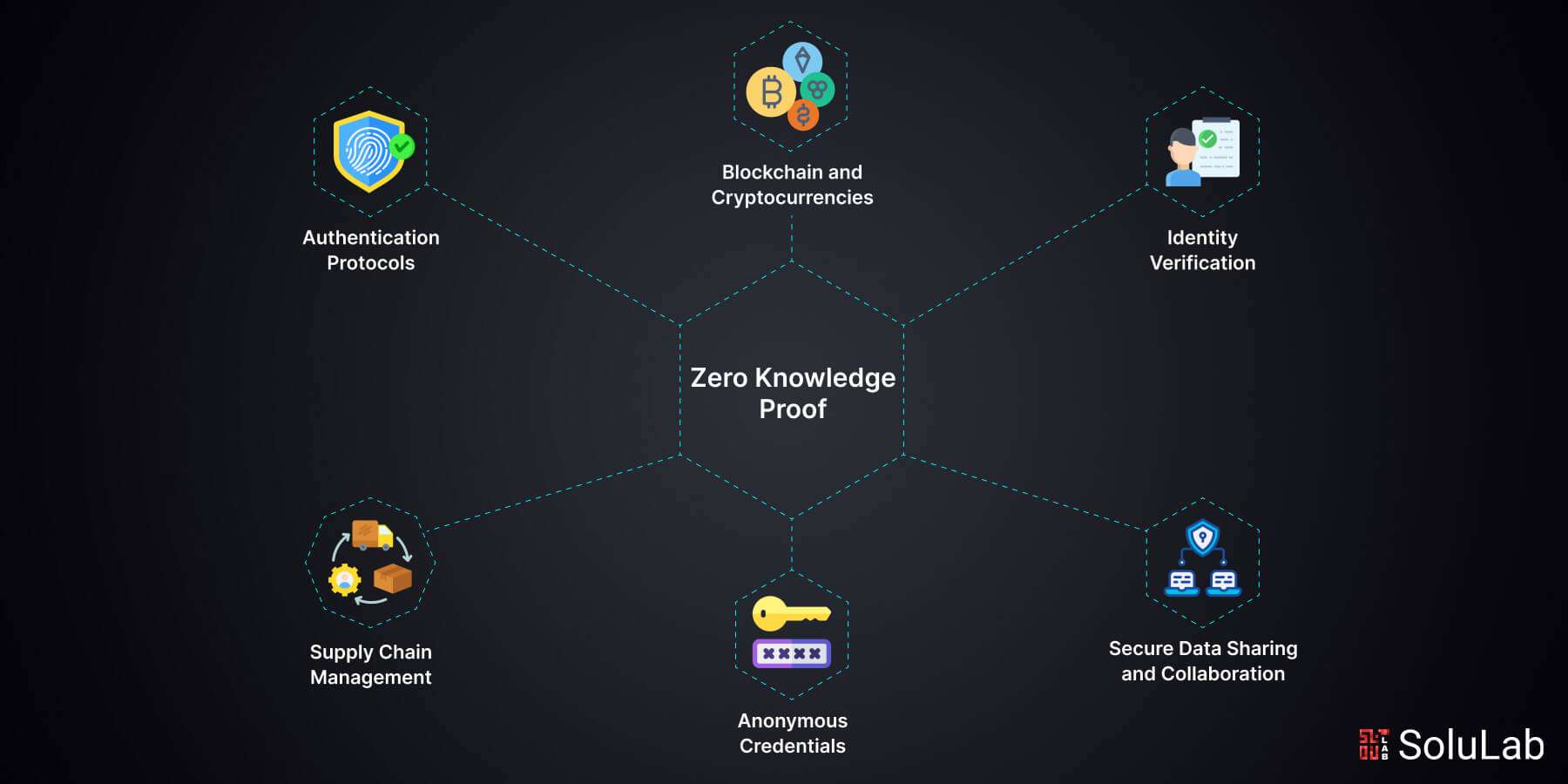
Verifiable Credentials: ZK-native proofs of attributes without revealing data, supporting decentralized identity systems.
-

Uniqueness Proofs: ZK techniques proving identity tokens aren’t duplicated, vital for global Sybil resistance.
ZK Proofs: The Privacy Engine of Proof-of-Humanity
Zero-knowledge proofs allow provers to demonstrate truths – like ‘I am a unique human’ – without divulging underlying data. In PoP contexts, users generate proof of humanity zk proofs from biometric hashes or social graphs, attesting non-duplication via Merkle proofs or semaphore protocols. No central oracle needed; blockchain consensus validates the math.
This elegance sidesteps dystopian pitfalls. Unlike Worldcoin’s orb-dependent model, ZK-centric approaches like. zkdid™ forge registries and NFT communities that are inherently sybil-resistant. Imagine proving your identity token isn’t reused, all while staying pseudonymous. Such onchain proof of personhood empowers fair resource distribution, from governance tokens to universal basic income experiments.
Proof-of-personhood is endogenizing all the identities needed for permissionless blockchains.
From Identity Management Institute insights, PoP protocols authenticate individuals securely, but ZK elevates them to gold standard. For developers at ZKHubs. com, these tools mean seamless integration of zk identity management into dApps, fostering trust without tradeoffs.
Pioneering Projects Building Sybil-Resistant ZK Identity
Humanity Protocol leads with palm biometrics fused to ZK proofs, verifying uniqueness while users retain control. Polkadot’s initiative similarly employs ZK for fair governance, confirming individuality across parachains. These aren’t vaporware; metrics like verified IDs and orb availability signal real traction, as BingX analysts track for sybil-resistant airdrops.
Yet, opinionated takes matter: Worldcoin’s unprecedented reach comes at centralization’s cost, per ChainScore Labs. True value lies in fully decentralized alternatives, where ZK proofs enhance privacy in decentralized identity wallets. Medium explorations by Jung-Hua Liu underscore ZK’s role in ensuring tokens aren’t double-spent, a core PoP mechanic.
JamesBachini. com nails it: proof-of-personhood is Web3’s biggest unlock. As adoption grows, expect ZK PoP to permeate DAOs, DeFi, and beyond, rewarding early builders with outsized network effects.
Early movers in this space grasp a profound truth: in value investing terms, sybil resistant zk identity is the wide moat protecting Web3’s most prized assets. Networks without it risk dilution, much like over-issued shares erode shareholder value. ZKHubs. com equips developers with the precise tools to embed these proofs, turning theoretical privacy into deployable reality.
Technical Foundations: How ZK Proofs Construct Onchain Proof of Personhood
At its core, a zk proof of personhood hinges on succinct non-interactive arguments of knowledge, or SNARKs. Users submit biometric data – palm scans or social attestations – to a trusted setup, generating a private key tied to their uniqueness. Publicly, they prove membership in a Merkle tree of unique humans without revealing position or data, thwarting duplicates via zero-knowledge range proofs.
Semaphore protocols take this further, enabling group membership proofs where anyone can signal presence anonymously, ideal for DAOs. No orbs, no central databases; just cryptographic certainty validated onchain. This decentralized identity zk paradigm scales globally, as arXiv papers envision permissionless systems endogenizing identities.
Comparison of Proof-of-Personhood (PoP) Projects
| Project | Tech (Biometrics/ZK) | Decentralization Level | Verified Users (est.) | Sybil Resistance Score |
|---|---|---|---|---|
| Worldcoin | Orb/Biometrics | Low | Millions | Medium |
| Humanity Protocol | Palm/ZK | High | Growing | High |
| Polkadot PoP | ZK Social | High | Emerging | High |
| .zkdid | ZK Registry | High | Beta | High |
Scalability remains a hurdle, with proof generation demanding hefty compute. Optimistic rollups and recursive proofs mitigate this, paving efficient paths forward. For builders, ZKHubs. com’s libraries simplify integration, much like standardized components in equity analysis streamline DCF modeling.
Real-World Applications and Value Unlocked
Picture a DeFi protocol distributing yields one-person-one-share, or DAOs electing leaders fairly. Proof of humanity zk proofs make this viable, curbing whale dominance and bot farms. Airdrops transform from lottery to meritocracy, with sybil filters ensuring humans reap rewards. Governance blooms equitable, fostering long-term alignment over pump-and-dump cycles.
Beyond crypto, credentials like degrees or licenses become verifiable without doxxing. Mollywhite. net debates dystopian risks, yet ZK tilts toward empowerment, anonymizing while authenticating. Cube Exchange highlights PoP alongside verifiable credentials, fortifying Web3 security layers.
ZK PoP Value Propositions
-
Fair Governance: Enables one-person-one-vote in DAOs, like World ID’s Sybil-resistant voting.
-

Secure Airdrops: Ensures human-only claims, preventing bots as in Humanity Protocol’s ZK-verified distributions.
-
Privacy-First UBI: Supports anonymous distributions without revealing identities, via ZK proofs.
-
Scalable Identity: Provides global uniqueness without centralization, as in Polkadot’s PoP initiative.
Investors eyeing this thesis should track adoption signals: verified ID growth, dApp integrations, and protocol TVL post-PoP. Like undervalued stocks with strong moats, these primitives compound value asymmetrically.
Challenges persist – user onboarding friction, collusion vectors – but iterative ZK advancements erode them. Humanity Protocol’s palm tech paired with proofs exemplifies balanced innovation, sidestepping Worldcoin’s flaws while chasing its reach. Polkadot’s parachain-native approach promises ecosystem-wide uplift.
As Web3 matures, onchain proof of personhood emerges not as gimmick, but essential infrastructure. Developers wielding ZKHubs. com kits stand at the vanguard, crafting networks where human value endures uncorrupted. This isn’t hype; it’s the quiet revolution undervalued markets reward handsomely.