

ZK Proofs for Sybil-Resistant Proof-of-Humanity: Privacy Tools Beyond Worldcoin

In the wild world of Web3, where one person can spin up thousands of fake accounts to game airdrops or sway DAO votes, Sybil resistance isn’t just a nice-to-have, it’s the backbone of fair decentralized systems. Enter proof-of-humanity (PoH): protocols designed to ensure “one human, one vote” or “one human, one reward. ” Worldcoin grabbed headlines with its iris-scanning Orbs, but its biometric approach trades privacy for verification. What if we could get robust, Sybil-resistant PoH without handing over our eyeballs? Zero-knowledge proofs (ZK proofs) are stepping up as the privacy-first champions, powering tools like zk proof of humanity that verify you’re human without revealing who you are.


Think about it practically: in a space rife with bots and multi-account farmers, traditional fixes like Proof-of-Work guzzle energy, and social graph methods like early Proof of Humanity expose your connections to the world. ZK proofs flip the script. They let you prove membership in a “humans only” set, uniqueness confirmed, without doxxing yourself. This zero knowledge proof human verification balances security and privacy, making it ideal for everything from fair launches to quadratic funding.
The Sybil Threat: Why Web3 Needs Bulletproof Human Verification
Sybil attacks hit where it hurts most. Imagine an airdrop meant to reward genuine users, only for a single entity to claim thousands of shares via sock puppets. Or a governance vote diluted by bot hordes. Sources like Ethereum Research highlight how PoH tackles this head-on, enabling applications from social media moderation to private DAOs. Cube Exchange nails it: ZK proofs prove uniqueness or set membership sans identity leaks, dodging the surveillance traps of public ledgers.
Without zk poh sybil resistance, decentralized identity crumbles. Public systems like legacy Proof of Humanity build global social graphs, handy for verification, nightmare for privacy. ChainScore Labs warns of this tradeoff: transparency breeds tracking. ZK flips that, offering Sybil resistance without the dystopian oversight.
Key ZK PoH Applications
-
Fair airdrops: Distribute tokens to unique humans without multi-account abuse, as in Humanity Protocol’s sybil-resistant drops.
-
DAO voting: Enable private, tamper-proof votes where one human equals one vote, preserving anonymity via ZK proofs.
-
Quadratic funding: Match funds fairly in protocols like Gitcoin, using ZK PoH to prevent sybil attacks on contributions.
-

Social dApp moderation: Moderate content and curb spam in decentralized social apps with unique human verification.
-

Credential-tiered access: Grant access levels based on verified credentials, like Polygon ID’s tiered pools without doxxing.
Worldcoin’s Bold Swing: Biometrics Meet Blockchain Realities
Worldcoin’s pitch is straightforward: scan your iris with a shiny Orb, get a World ID proving you’re human. Vitalik Buterin dissected it on his blog, the tech verifies real humans via machine learning on eye patterns, but rollout questions linger. It’s strong on Sybil resistance, promising one airdrop per human, yet biometric data storage raises hackles. Critics, including mollywhite. net, question if it’s “acceptably non-dystopian, ” lumping it with BrightID and Spruce as varying stabs at the problem.
Practically speaking, Worldcoin delivers basic uniqueness but at a privacy cost. BlockEden. xyz compares it to Polygon ID, noting Worldcoin’s flat model versus tiered credentials. And while effective, it centralizes verification around Orbs, clashing with Web3’s ethos. Enter the alternatives craving less surveillance.
ZK-Powered PoH Protocols: Privacy Tools Taking Over
We’re seeing a surge in proof of humanity zk alternatives. Humanity Protocol, fresh off backing from Animoca Brands and led by Terence Kwok, blends palm print and vein scans into ZK proofs. No eyeballs required, just your hand via app or infrared hardware, transformed into proofs for self-sovereign identity. Users control credentials for Sybil-resistant airdrops or voting, per CoinEx insights.
Polygon ID offers tiered access with different pools per credential level, outpacing Worldcoin’s one-size-fits-all. zkPass and ZKPassport push further: the latter’s Registry Explorer adds transparency without leaks. arXiv papers tout ZK for permissionless chains, ditching PoW/PoS for pure Sybil defense. Identity Management Institute positions these as Worldcoin rivals, emphasizing privacy-preserving PoH.
These privacy first poh protocols shine in practice. Developers at ZKHubs. com build with them for zk identity management, ensuring secure sharing sans data compromise. Medium’s Jung-Hua Liu sums it: ZK lets you prove truth without the why. For Web3 users, it’s leverage, humanity verified, privacy intact.
Let’s get hands-on with how these systems stack up in real deployments. Developers love ZK proofs because they integrate seamlessly into smart contracts, verifying humanity on-chain without bloating the ledger with personal data. Take Humanity Protocol’s dual-layer biometrics: palm print via your phone app, vein scan with cheap infrared gear. That data hashes into a ZK proof, letting you claim “I’m a unique human” for airdrops or votes. No central database hoarding scans, just self-sovereign control. It’s a smart pivot from Worldcoin’s Orb dependency, scaling verification to billions without shiny hardware fleets.
Head-to-Head: ZK PoH vs. Biometric Heavyweights
Time for a no-nonsense breakdown. Traditional PoH like the original Proof of Humanity relied on social vouches, creating those pesky global graphs ChainScore Labs flags as surveillance bait. Worldcoin fixes uniqueness but demands biometrics upfront. ZK alternatives? They prove zk proof of humanity via credentials you own, revocable and updatable. Polygon ID tiers it beautifully: basic human proof for airdrops, advanced creds for governance. zkPass layers in passport data for extra oomph, while ZKPassport’s tools like the Registry Explorer let you audit verifications publicly without peeking at proofs.
Comparison of Proof-of-Humanity (PoH) Protocols
| Protocol | Verification Method | Privacy Level | Sybil Resistance | Use Cases |
|---|---|---|---|---|
| Worldcoin | Iris scan | Low – biometrics stored | High | Airdrops |
| Humanity Protocol | Palm biometrics to ZK | High – ZK proofs only | High | DAOs/voting |
| Polygon ID | Tiered ZK creds | High – self-sovereign | High tiered | Access control |
| zkPass | Passport ZK | Medium – selective disclosure | High | Identity proofs |
arXiv research backs this shift: ZK sidesteps PoW/PoS pitfalls on permissionless chains, pure efficiency. For CTOs eyeing pilots, it’s a VC darling, privacy scales, surveillance doesn’t. Molly White’s skepticism on dystopian vibes? Valid for biometrics, but ZK keeps it human-scale.
Real-World Wins: From Airdrops to DAOs
Picture this: a project launches tokens, but equips ZK PoH to cap one claim per human. Farmers rage-quit, genuine users thrive. Quadratic funding gets turbocharged, prove humanity once, donate anonymously with weight. Social dApps? Moderation without Big Brother logs. Ethereum Research lists these as killer apps, and they’re live now.
Humanity Protocol’s palm tech, per the latest updates, powers private DAO voting where creds issue on-demand. ZKPassport enhances it with explorer tools for trust signals. At ZKHubs. com, we’ve seen devs build zk identity stacks for proof-of-humanity verifications, optimizing for gas and speed. It’s practical magic: zero knowledge proof human verification that feels effortless.
ZK PoH Beats Biometrics
-

No hardware needed: Unlike Worldcoin’s Orb, ZK proofs work on any smartphone or computer for easy verification.
-
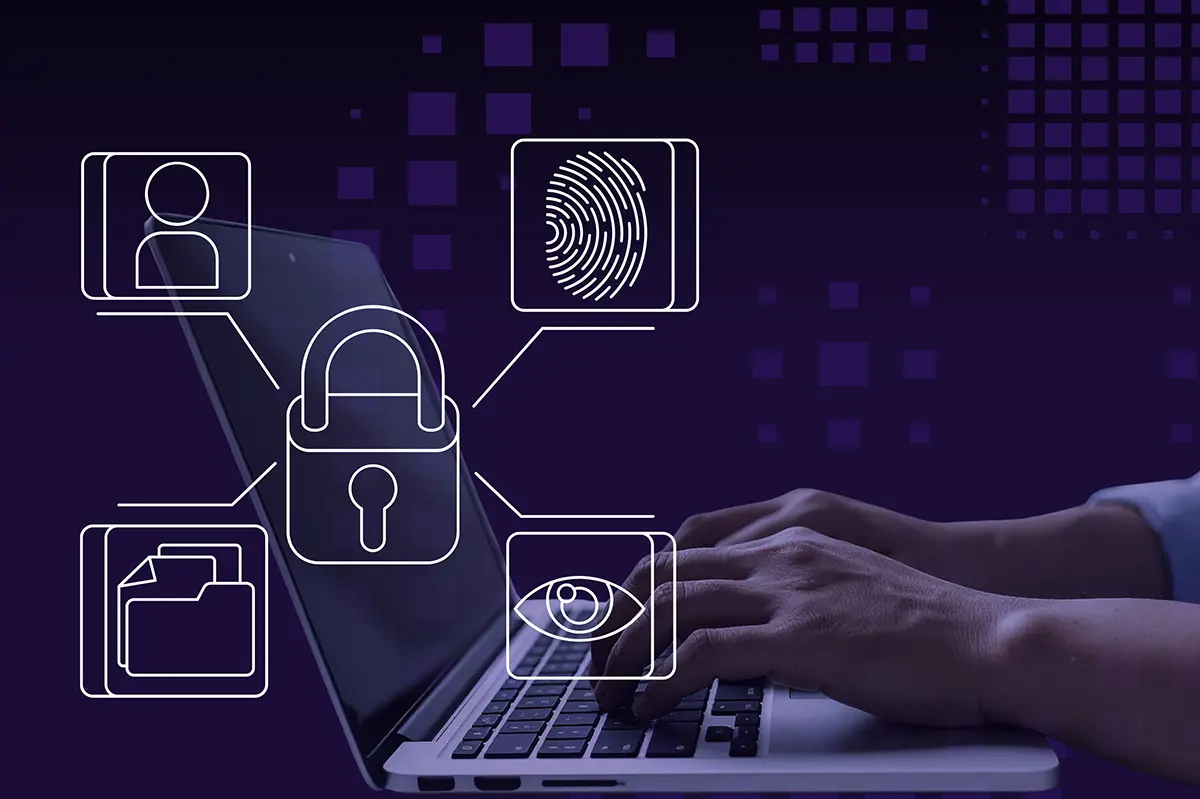
Full data control: Users manage their own ZK proofs in self-sovereign systems like Polygon ID—no central biometric databases.
-

Global scalability: Software-only ZK PoH scales to billions without shipping devices worldwide.
-

Revocable & auditable: Generate fresh ZK proofs anytime; revoke compromised ones while auditing usage privately.
-
Wallet integration: Seamlessly pairs with MetaMask or other Ethereum wallets for Sybil-resistant apps.
Challenges persist, sure. Proving “human” via ZK demands solid off-chain oracles or biometrics-to-proof pipelines, but Humanity Protocol nails the balance. Vitalik’s biometric caveats, spoofing risks, access inequities, fade with palm scans anyone can do at home. Cube Exchange hits the mark: ZK proves set membership without doxxing, perfect Web3 equilibrium.
Zoom out, and zk poh sybil resistance isn’t niche anymore. It’s the glue for fair Web3 economies. Projects blending it with verifiable credentials open doors to tiered access: casual users get basic drops, verified ones unlock premium pools. BlockEden contrasts this sharply with Worldcoin’s flatline approach. Jung-Hua Liu’s Medium deep-dive captures the essence, prove the truth, hide the details.
For builders, start simple: grab ZKHubs. com tools for zk proofs in your dApp. Test a proof of humanity zk alternatives module for airdrops. Users, scan once with a privacy first poh protocols like Humanity, own forever. Web3 matures when one human equals one voice, privacy uncompromised. These ZK systems deliver that promise, outpacing Orbs into a decentralized dawn where bots bow out and humans lead.