

ZK Proofs for Privacy-Preserving Proof of Humanity: Beyond Worldcoin and Zcash in 2026

In the evolving landscape of Web3, where zk proofs for proof of humanity are reshaping decentralized identity, 2026 marks a pivotal shift toward truly private verification systems. Privacy-centric assets like Zcash surged 820% in 2025, outpacing Bitcoin and Ethereum, signaling investor confidence in zero-knowledge technologies amid rising regulatory scrutiny. Yet, as projects like Worldcoin grapple with biometric data concerns and Zcash refines transaction shielding, a new wave of privacy-preserving proof of humanity emerges, leveraging advanced ZKPs to affirm human uniqueness without exposing sensitive information.


This progression addresses core tensions in decentralized ecosystems: scalability, Sybil resistance, and unassailable privacy. Traditional proof-of-humanity methods often sacrifice user data for verification, but ZK proofs enable zero knowledge proof of humanity, proving attributes like uniqueness via palm scans or behavioral signals without revealing the underlying data. Investors and developers alike see value here, not just in speculation, but in foundational infrastructure that withstands quantum threats and regulatory pressures.
ZK Proofs: The Backbone of Scalable, Private Identity
Zero-knowledge proofs have transcended niche privacy coins, becoming the next big catalyst in crypto for 2026. zk-SNARKs, pioneered in Zcash, allow users to shield transaction details while proving validity, a model now extending to identity. Beyond mere financial anonymity, privacy preserving PoH in Web3 uses these proofs for pragmatic applications: verifying age without ID exposure or humanity without biometrics storage.
ZK-proof technology works well in certain circumstances, proving one’s age without giving away other sensitive ID information.
Projects like Railgun introduce “proof of innocence, ” generating ZK proofs to demonstrate clean funds origins. This mirrors broader trends where academic advances yield more efficient proving systems, slashing computation costs and enabling on-chain deployment. For value-oriented thinkers, the appeal lies in durability: these protocols offer margins of safety against delistings and hacks, much like undervalued equities with strong moats.
Humanity Protocol Redefines Proof of Humanity
Stepping beyond Worldcoin’s iris scans and Zcash’s transactional focus, Humanity Protocol integrates palm recognition with ZKPs for a Sybil-resistant network. As of February 2026, users generate cryptographic proofs from biometric inputs, storing nothing raw on-chain. zkProofer Nodes verify these, enforcing privacy in the Proof of Human Identity consensus.
This decentralized humanity verification for 2026 empowers Web3 applications from airdrops to governance, ensuring one-human-one-vote without central databases. Unlike Worldcoin’s controversies, it prioritizes consent and ephemerality, aligning with self-sovereign identity principles. Early traction suggests network effects will compound, much as privacy coins outperformed broader markets last year.
Key Features of Humanity Protocol’s ZK PoH
-

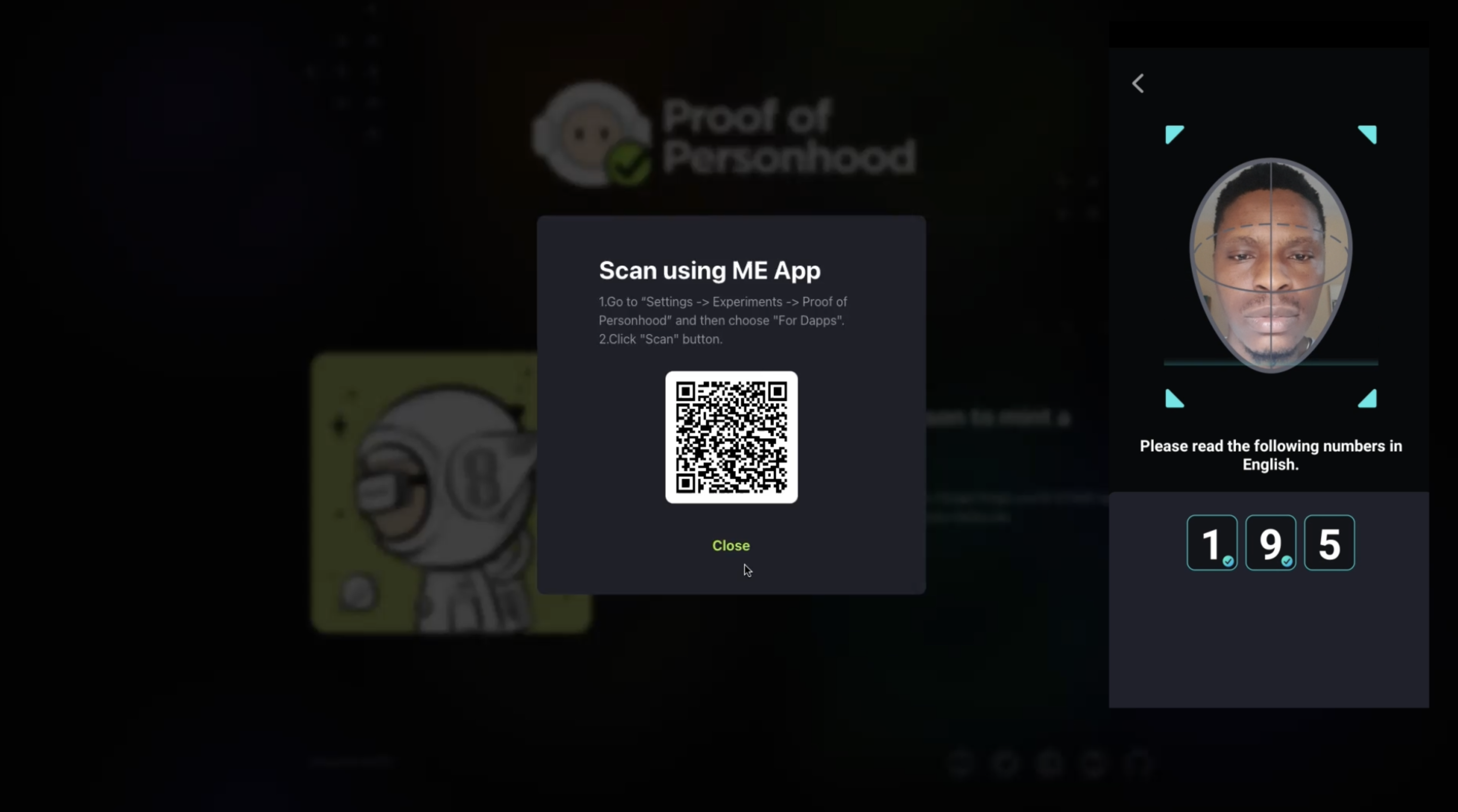
Palm-based uniqueness proofs: Leverages advanced palm recognition with ZKPs to cryptographically verify human uniqueness without exposing personal data.
-
zkProofer Nodes: Decentralized nodes that efficiently verify ZK proofs, upholding privacy standards and enabling Proof of Human consensus.
-
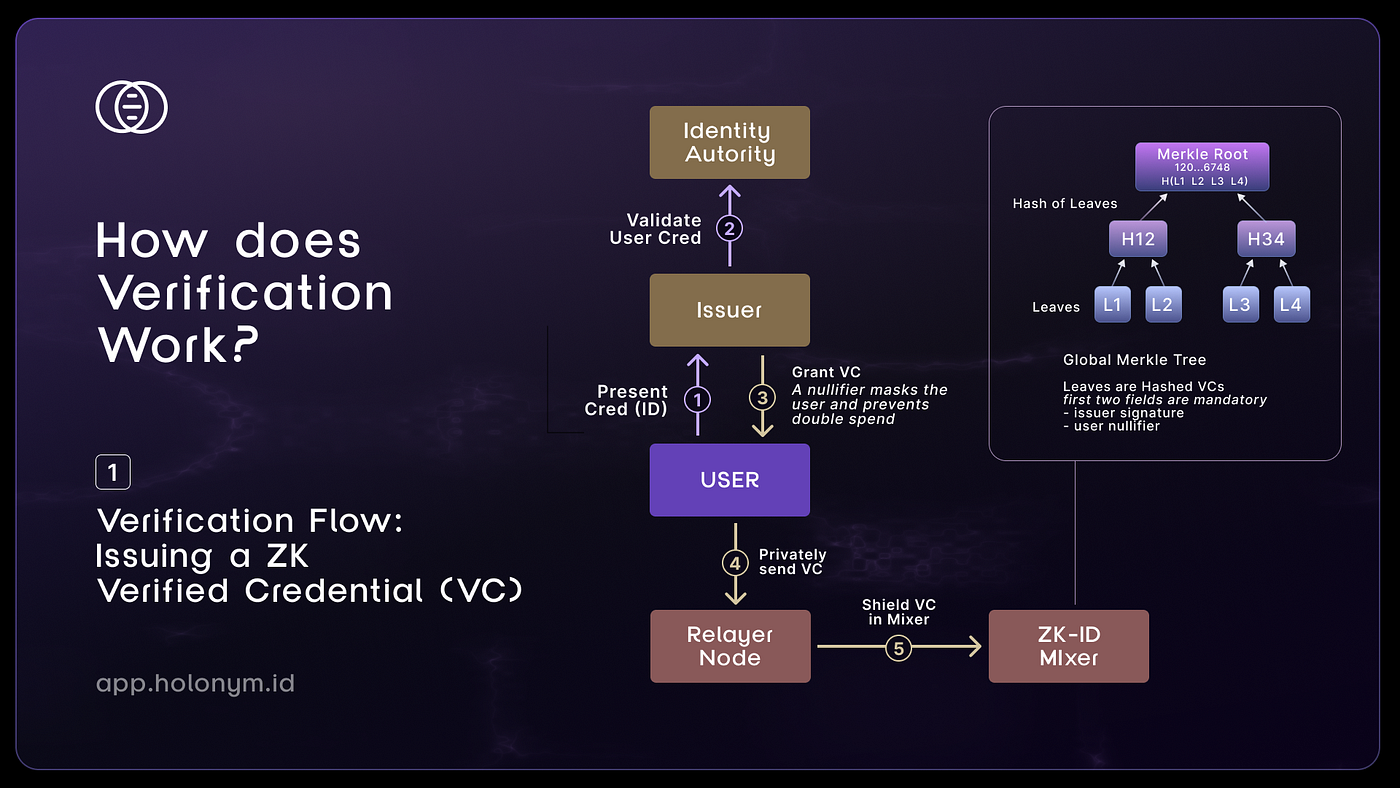
No biometric data storage: Generates on-the-fly cryptographic proofs instead of storing raw biometrics, ensuring maximal user privacy.
-
Sybil resistance for Web3 apps: Provides robust defense against fake accounts, empowering secure, decentralized applications with verified human participation.
Zcash’s 2026 Roadmap: Quantum-Ready Privacy Evolution
Zcash, a top ZK project, isn’t resting on zk-SNARK laurels. Its 2026 strategy adopts Zebra as the sole consensus node, streamlining integration via the Z3 stack: Zebra for nodes, Zaino for wallets, Zallet for light clients. Performance leaps and scalability gains position it for mass adoption.
Critically, quantum resilience arrives by March 2026, with detection and quarantine for attacks. This fortifies against emerging threats, preserving network integrity. Investors note Zcash’s resilience amid privacy token rankings, where it leads alongside Monero despite scrutiny. For zk identity vs Worldcoin Zcash, Zcash evolves toward broader utility, blending financial privacy with identity primitives.
From a value investor’s lens, Zcash’s trajectory evokes classic turnaround stories: undervalued assets with deep moats, refining operations for outsized returns. Privacy coins like Zcash and Monero led 2025’s pack, with Zcash’s 820% gain underscoring demand for robust zero knowledge proof of humanity primitives amid quantum risks and delisting pressures. Yet, true alpha lies in interoperability, where Zcash’s Z3 stack could bridge transactional privacy to identity layers.
Zcash (ZEC) Price Prediction 2027-2032
Privacy-Preserving Predictions Amid ZK Proofs Advancements and Proof-of-Humanity Trends vs. Majors
| Year | Minimum Price | Average Price | Maximum Price | YoY % Change (Avg vs. Prev) |
|---|---|---|---|---|
| 2027 | $120 | $250 | $450 | +39% (vs. 2026 $180) |
| 2028 | $180 | $400 | $800 | +60% |
| 2029 | $300 | $650 | $1,300 | +63% |
| 2030 | $450 | $950 | $2,000 | +46% |
| 2031 | $700 | $1,400 | $3,000 | +47% |
| 2032 | $1,000 | $2,100 | $4,500 | +50% |
Price Prediction Summary
Zcash (ZEC) is forecasted to experience robust growth from 2027-2032, with average prices climbing from $250 to $2,100, fueled by ZK proof innovations, quantum resilience, and privacy coin outperformance. Bullish scenarios reflect adoption in proof-of-humanity and scalability upgrades, while mins account for regulatory hurdles and market corrections.
Key Factors Affecting Zcash Price
- Advancements in zk-SNARKs, Z3 stack (Zebra, Zaino, Zallet), and quantum resistance by 2026
- Privacy coins’ 2025 outperformance (ZEC +820%, Monero +130%) signaling trend continuation
- ZKPs integration in proof-of-humanity (e.g., Humanity Protocol) and pragmatic privacy applications
- Regulatory developments balancing scrutiny with compliance-friendly tech
- Crypto market cycles with altcoin bulls in 2028-2029 and broader adoption
- Competition from Monero, emerging ZK projects (zkSync, Starknet), and majors (BTC, ETH)
- Supply dynamics, network upgrades, and institutional interest in privacy tech
Disclaimer: Cryptocurrency price predictions are speculative and based on current market analysis.
Actual prices may vary significantly due to market volatility, regulatory changes, and other factors.
Always do your own research before making investment decisions.
Such evolution positions Zcash not as a relic, but a foundational layer for privacy preserving PoH in Web3. Investors must assess security hygiene: quantum quarantine systems add resilience, much like diversified portfolios weather volatility. Still, regulatory headwinds persist; privacy tokens thrive under scrutiny by proving compliance through selective disclosure.
Beyond Silos: ZK Identity Ecosystems in 2026
Fragmentation yields to convergence. Top ZK projects, Zcash, Worldcoin, Starknet, zkSync, signal a maturing stack for decentralized humanity verification 2026. Humanity Protocol’s palm-based ZKPs exemplify this, generating ephemerally verified proofs for Sybil resistance in DAOs and airdrops. No central honeypot of biometrics; instead, zkProofer Nodes distribute trust, echoing Zcash’s shielded pools but for identity.
Contrast sharpens the case: Worldcoin’s orb-scanning model invites overreach, storing hashes that invite subpoenas, while Zcash’s zk-SNARKs and Humanity’s proofs enable zk identity vs Worldcoin Zcash debates favoring minimalism. Railgun’s proof-of-innocence extends to credentials, letting users attest clean provenance without doxxing. Pragmatic privacy, proving age for DeFi loans or humanity for governance, dominates, fueled by efficient provers from academia.
Zcash (ZEC) Price Prediction 2027-2032
Resilient Privacy Tech Evolution Amid ZK Proofs Advancements for Privacy-Preserving Proof of Humanity | Projections Based on CryptoRank Insights and 2026 Market Trends
| Year | Minimum Price (USD) | Average Price (USD) | Maximum Price (USD) | Est. YoY % Change (Avg) |
|---|---|---|---|---|
| 2027 | $40.00 | $60.00 | $95.00 | +25% |
| 2028 | $55.00 | $85.00 | $140.00 | +42% |
| 2029 | $75.00 | $120.00 | $210.00 | +41% |
| 2030 | $100.00 | $170.00 | $300.00 | +42% |
| 2031 | $130.00 | $240.00 | $420.00 | +41% |
| 2032 | $170.00 | $340.00 | $600.00 | +42% |
Price Prediction Summary
Zcash (ZEC) is positioned for substantial growth from 2027-2032, fueled by Z3 stack upgrades, quantum resilience implementations, and surging demand for ZK-proof-based privacy in proof-of-humanity and scalable applications. Projections reflect bullish adoption (max prices up to $600), average steady outperformance (CAGR ~41%), and bearish regulatory/minor correction scenarios (mins rising progressively). Privacy coins’ 2025 momentum (ZEC +820%) and 2026 ZKP dominance support optimistic outlook amid market cycles.
Key Factors Affecting Zcash Price
- Advancements in zk-SNARKs, Z3 stack (Zebra, Zaino, Zallet), and quantum attack detection for enhanced privacy/scalability
- Privacy coins’ historical outperformance (Zcash +820% in 2025) and 2026 ‘pragmatic privacy’ trends
- ZKPs integration in proof-of-humanity (e.g., Humanity Protocol) beyond Worldcoin/Zcash
- Regulatory scrutiny balanced by compliance innovations and Sybil-resistant networks
- Competition from Monero, zkSync, Starknet, but Zcash’s pioneering zk-SNARKs leadership
- Broader crypto market cycles, BTC/ETH correlation, and adoption in federated learning/hardware verification
- Risks from quantum threats mitigated by 2026 preparations and improved security hygiene
Disclaimer: Cryptocurrency price predictions are speculative and based on current market analysis.
Actual prices may vary significantly due to market volatility, regulatory changes, and other factors.
Always do your own research before making investment decisions.
For developers, this means plug-and-play: zk identity wallets integrate ZKPoH for self-sovereign IDs, optimizing for blockchain’s trustless ethos. Value accrues to protocols with network effects; early movers like these build moats wider than speculative hype. Quantum threats loom, but 2026’s defenses, Zcash’s detection, broader post-quantum ZK variants, tilt odds toward longevity.
Investment Thesis: Hunting Value in ZK Privacy Layers
Privacy outperformed in 2025 for a reason: as surveillance capitalism collides with Web3, zk proofs proof of humanity become indispensable. Zcash’s roadmap fortifies its lead among privacy tokens, yet Humanity Protocol’s focus on non-financial verification unlocks adjacent markets, federated learning, hardware attestation. Investors eye catalysts: Zebra’s node dominance slashes UX friction; zkProofer incentives bootstrap node networks.
DCF-minded analysis reveals asymmetry. Discount future cash flows from scalability premiums, ZK rollups handling identity proofs at Ethereum gas costs. Margins of safety embed in cryptography’s soundness; delistings fade as regulators embrace compliant disclosure. Monero trails in ZK sophistication, but Zcash-Worldcoin hybrids could spawn killers: imagine iris-agnostic PoH scaling to billions.
Risks temper enthusiasm: proving overheads strain mobile hardware, interoperability lags. Yet, 2026’s pragmatic pivot, Railgun, Aztec, Canton, heralds maturity. Stake in underappreciated primitives; value investing in crypto mirrors equities, simple protocols endure. As ZKPs permeate from transactions to souls, privacy-first humanity proofs redefine Web3’s social layer, rewarding patient capital with compounding utility.