

ZK Proofs for Cross-Chain Proof-of-Humanity: Verifying On-Chain Actions Without Wallet Exposure

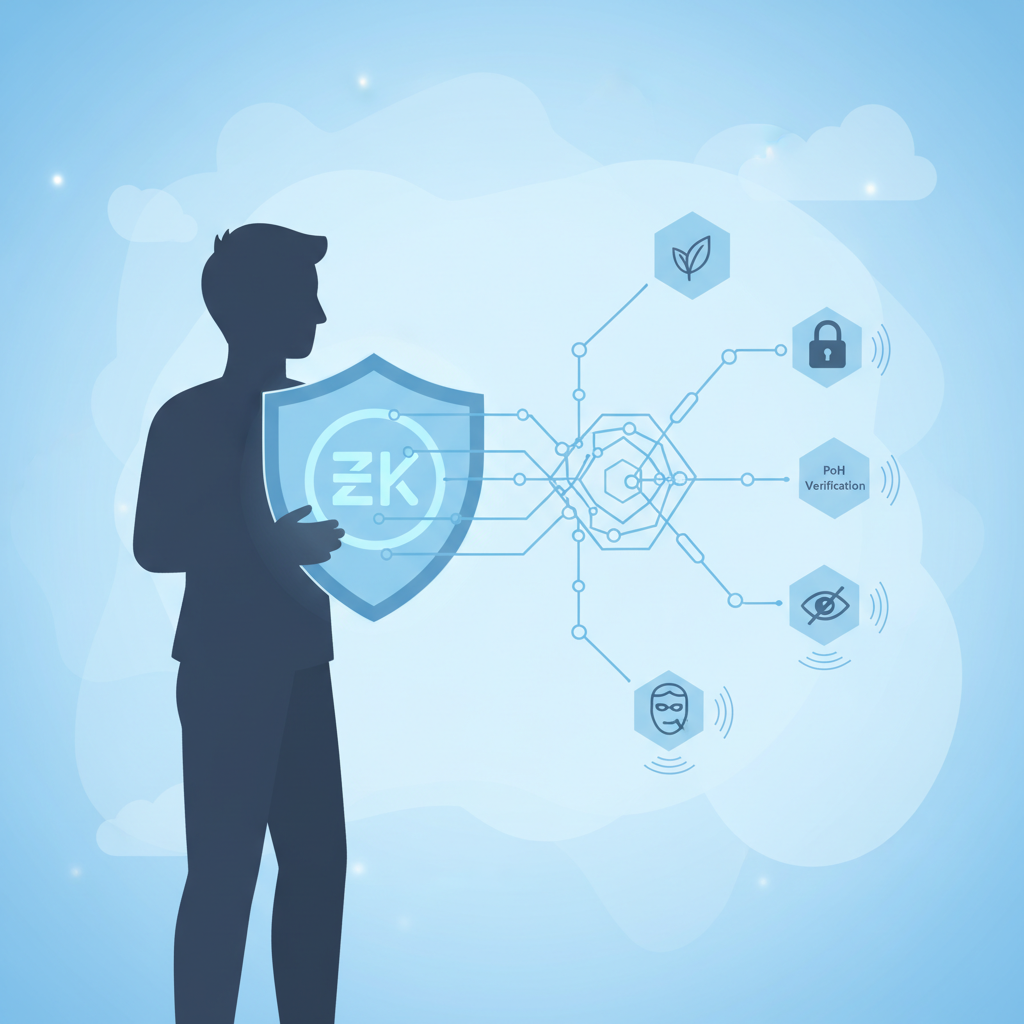
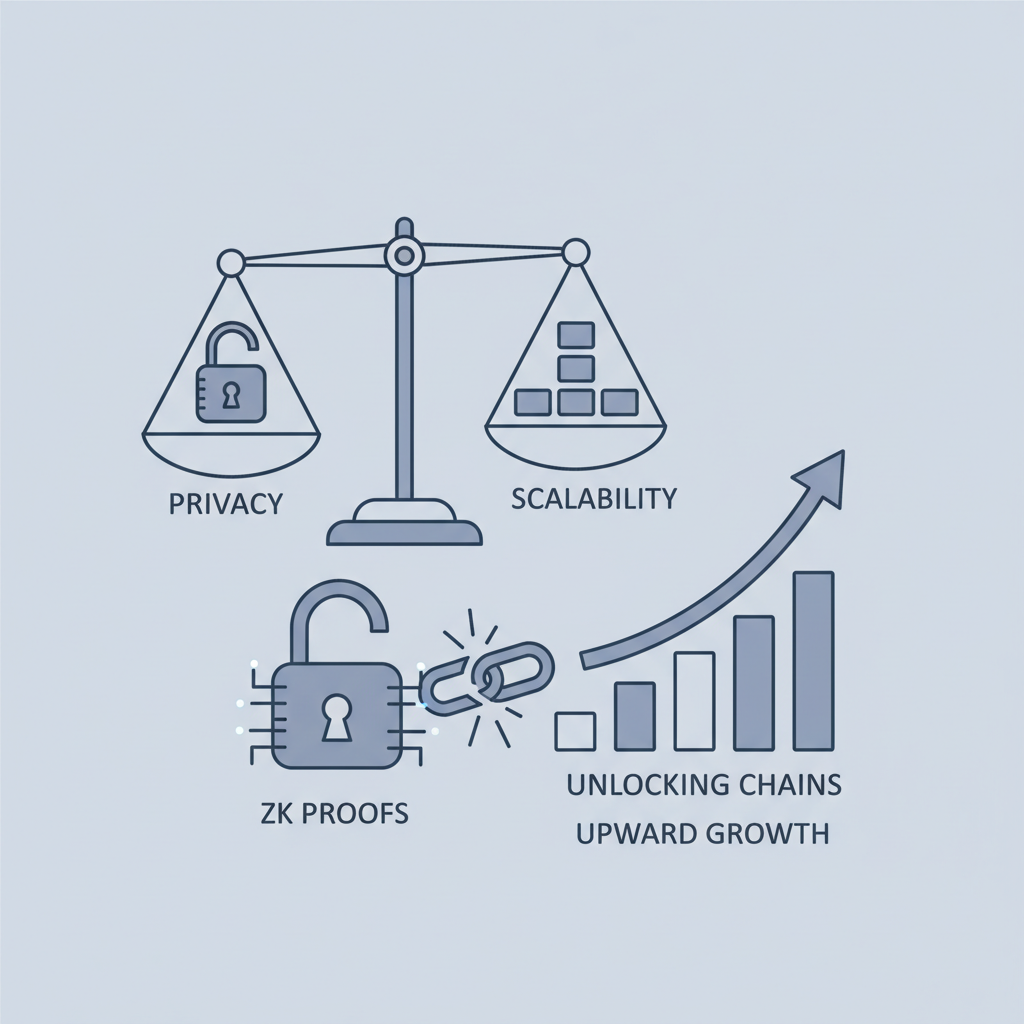
In the decentralized world of blockchain, where transactions span multiple chains, proving one’s humanity without exposing wallet addresses has become a pressing challenge. Traditional methods rely on signatures or balances that leak sensitive data, inviting risks from sybil attacks and surveillance. Zero-knowledge proofs, or ZK proofs, provide a conservative approach: they verify on-chain actions while concealing the underlying wallet information. This methodical technique underpins cross-chain zk identity systems, ensuring privacy-preserving proofs that scale across ecosystems.

Consider the vulnerabilities in current setups. Cross-chain bridges often demand wallet exposure for authentication, amplifying risks in volatile markets. As a risk manager with decades in fixed income, I view privacy as the principal of capital preservation applied to identity. Proof of humanity (PoH) protocols using ZKPs address this by confirming uniqueness without data revelation, much like hedging duration risk without full portfolio disclosure.
Foundations of Privacy-Preserving Humanity Proofs
Zero-knowledge proofs allow a prover to demonstrate truthfulness of a statement without divulging extra information. In PoH contexts, this means attesting to human uniqueness across chains via cryptographic commitments. Projects like Humanity Protocol exemplify this with their mainnet launch, introducing zkTLS alongside Reclaim. Users aggregate Web2 credentials, such as frequent flyer miles or hotel loyalties, into a unified Human ID, all verified privately. This bridges siloed data realms without centralized trust, a prudent step in an era of data breaches.
zkHumans takes it further, crafting decentralized identities with ZK proofs and crypto-biometrics. Their self-sovereign model empowers users and organizations to control data flows, programmable yet private. From a methodical standpoint, this mitigates counterparty risks inherent in third-party verifiers, fostering interoperability without compromise.
Core Advantages of ZK Proofs in Cross-Chain PoH
-

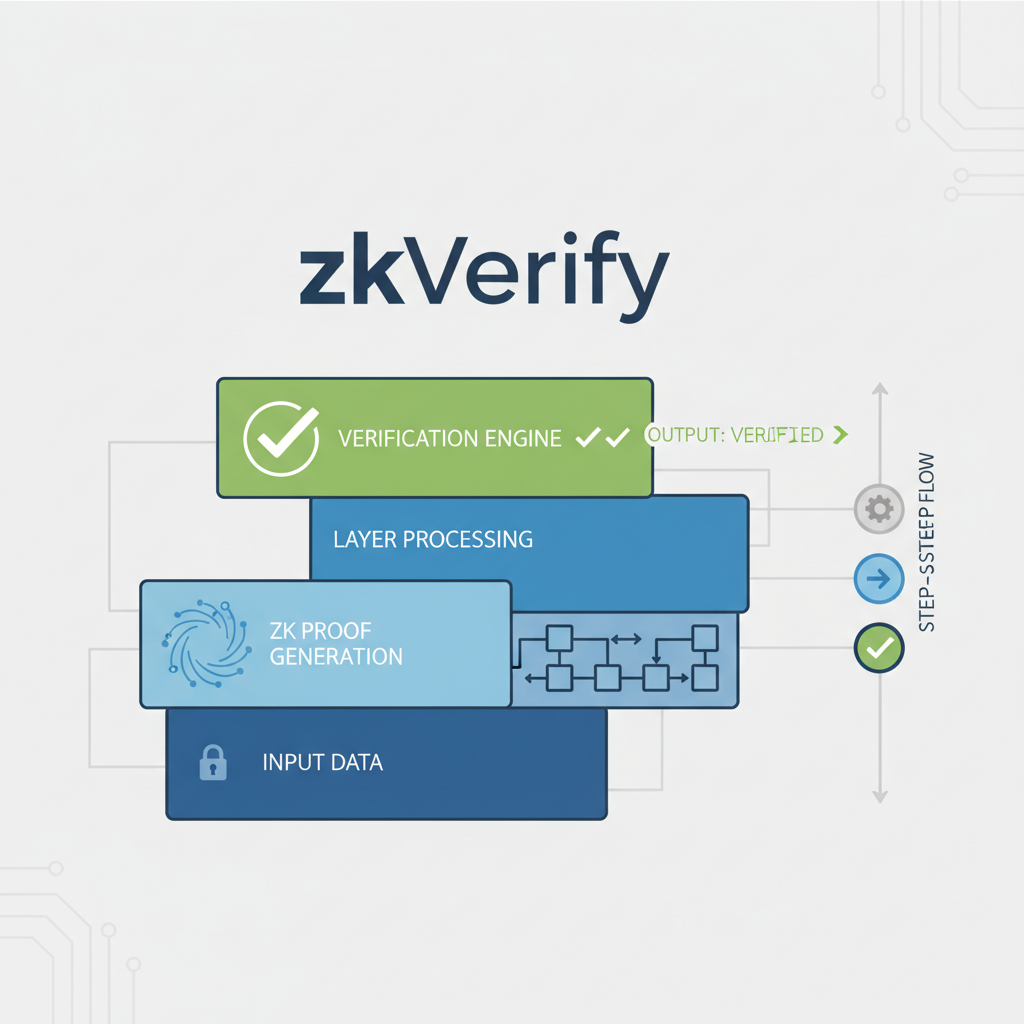
Scalable verification without wallet leaks: zkVerify enables ultra-efficient ZK proof verification at scale, confirming on-chain actions without exposing wallet data.
-

Sybil resistance via biometric commitments: Humanity Protocol’s zkProofers leverage ZK proofs with biometrics for unique human verification, preventing Sybil attacks.
-

Cross-chain compatibility for seamless actions: zkVerify-Hyperbridge partnership supports ZK proof verification across chains like Polkadot for trustless interoperability.
-
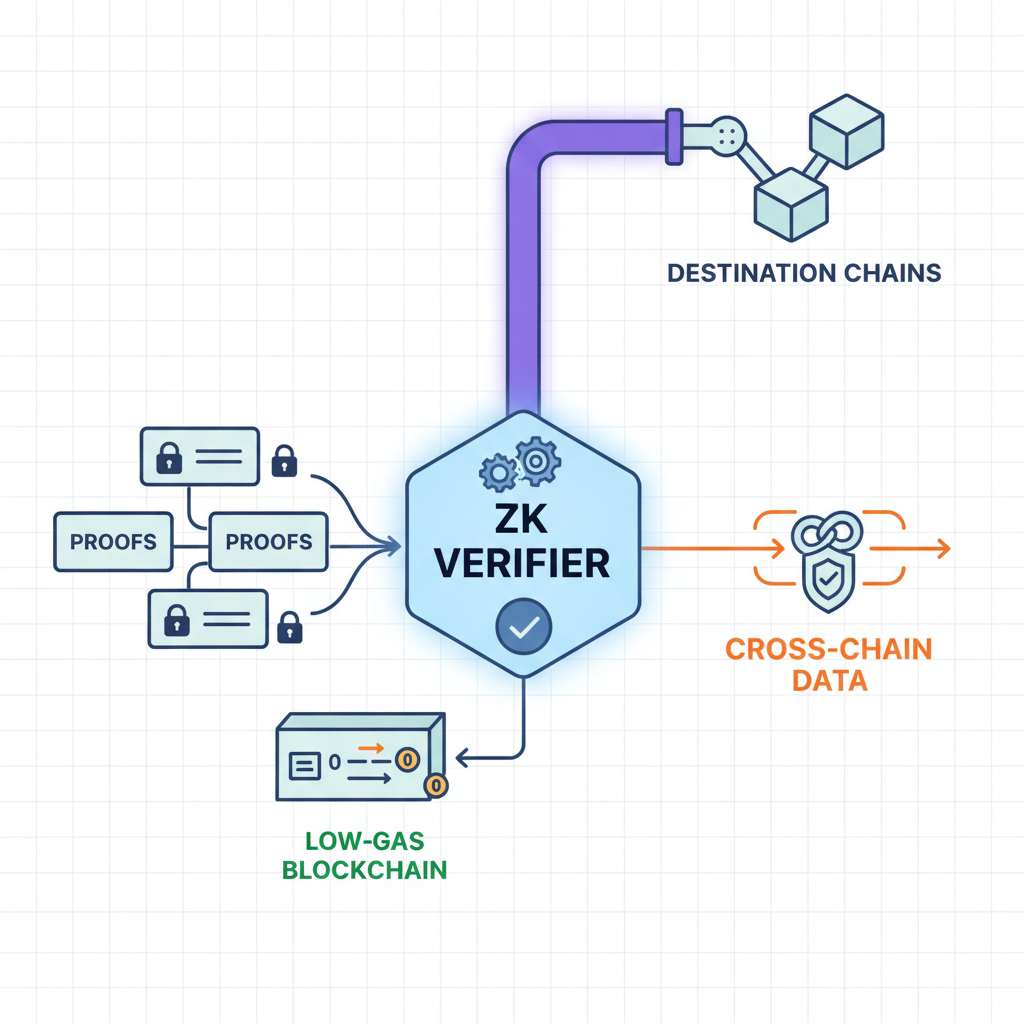
Gas-efficient proofs reducing economic friction: zkVerify’s modular verifier with Groth16 and Plonky2 minimizes gas costs in cross-chain PoH verification.
-
Compliance-friendly privacy for regulated DeFi: zkHumans uses ZK proofs for self-sovereign, privacy-preserving identities compliant with DeFi regulations.
Cross-Chain Infrastructure: zkVerify Meets Hyperbridge
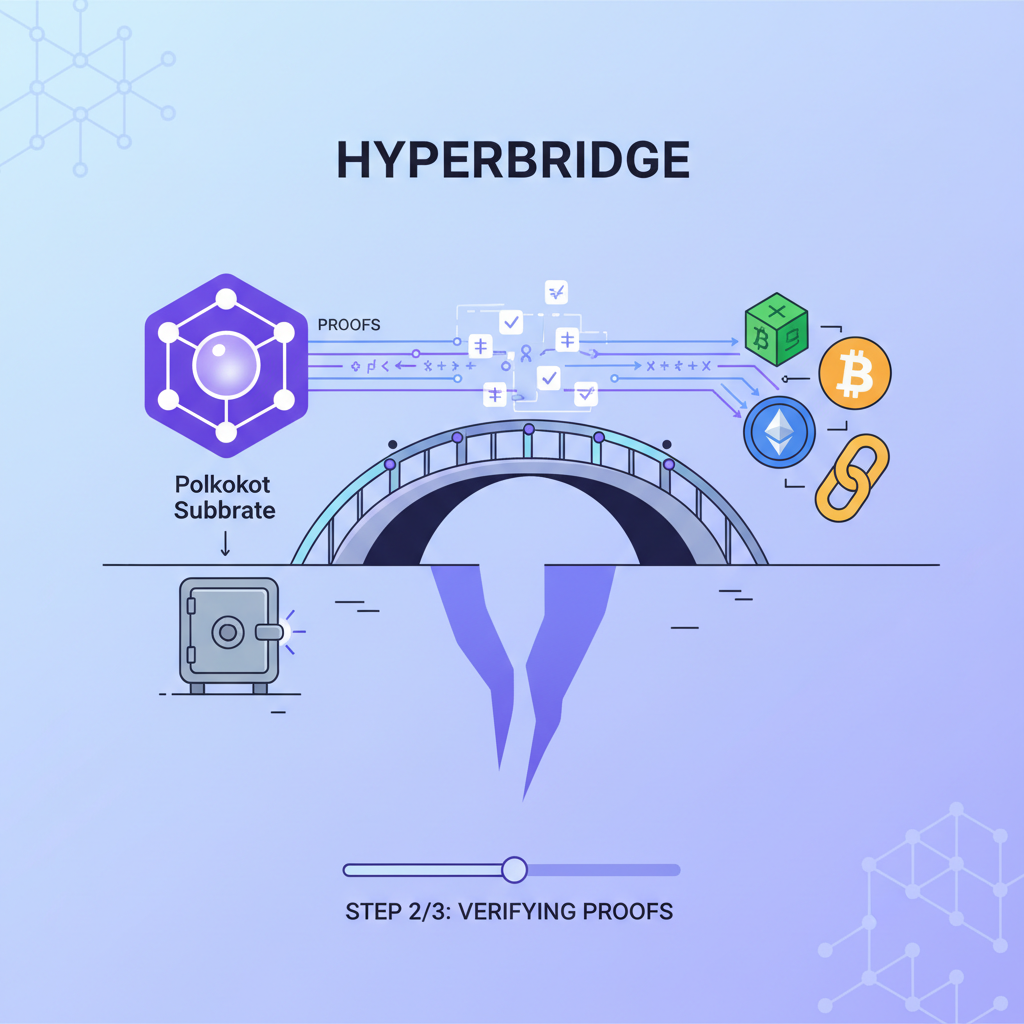
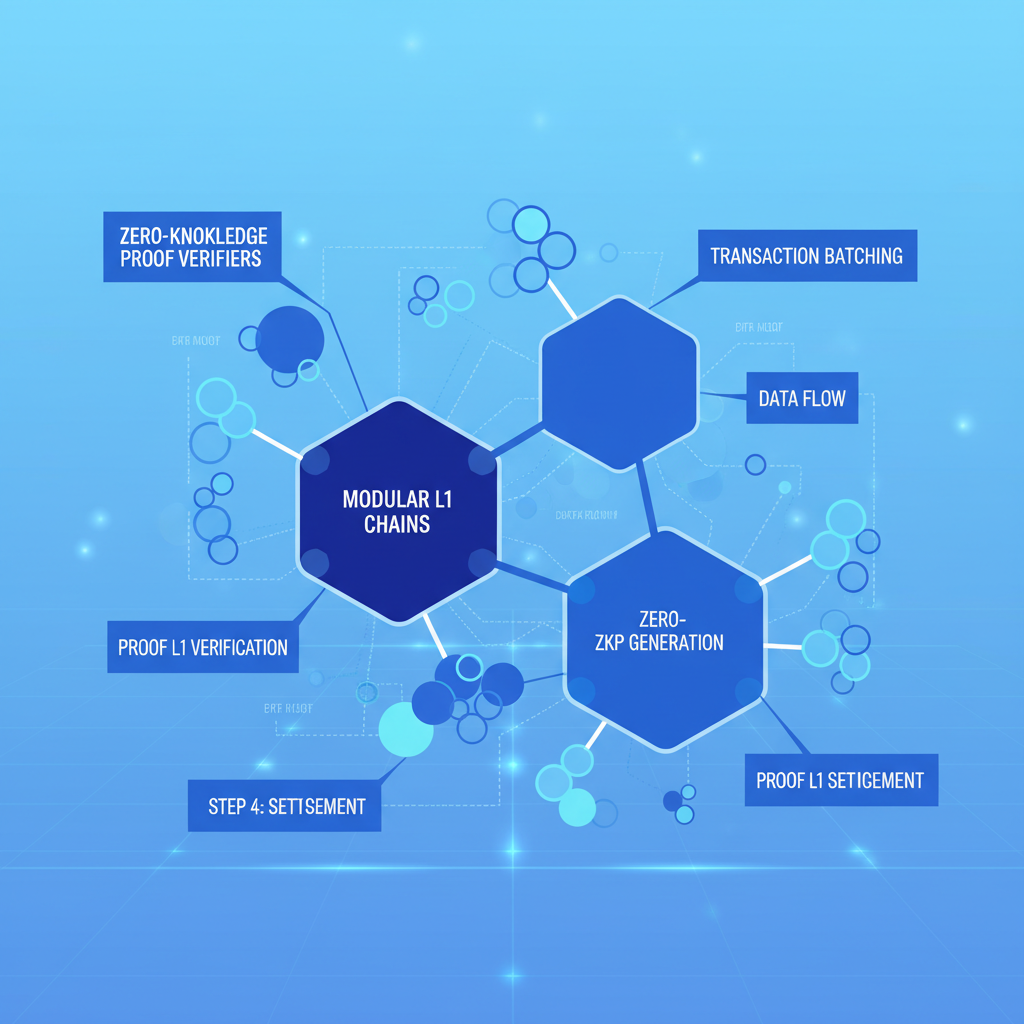
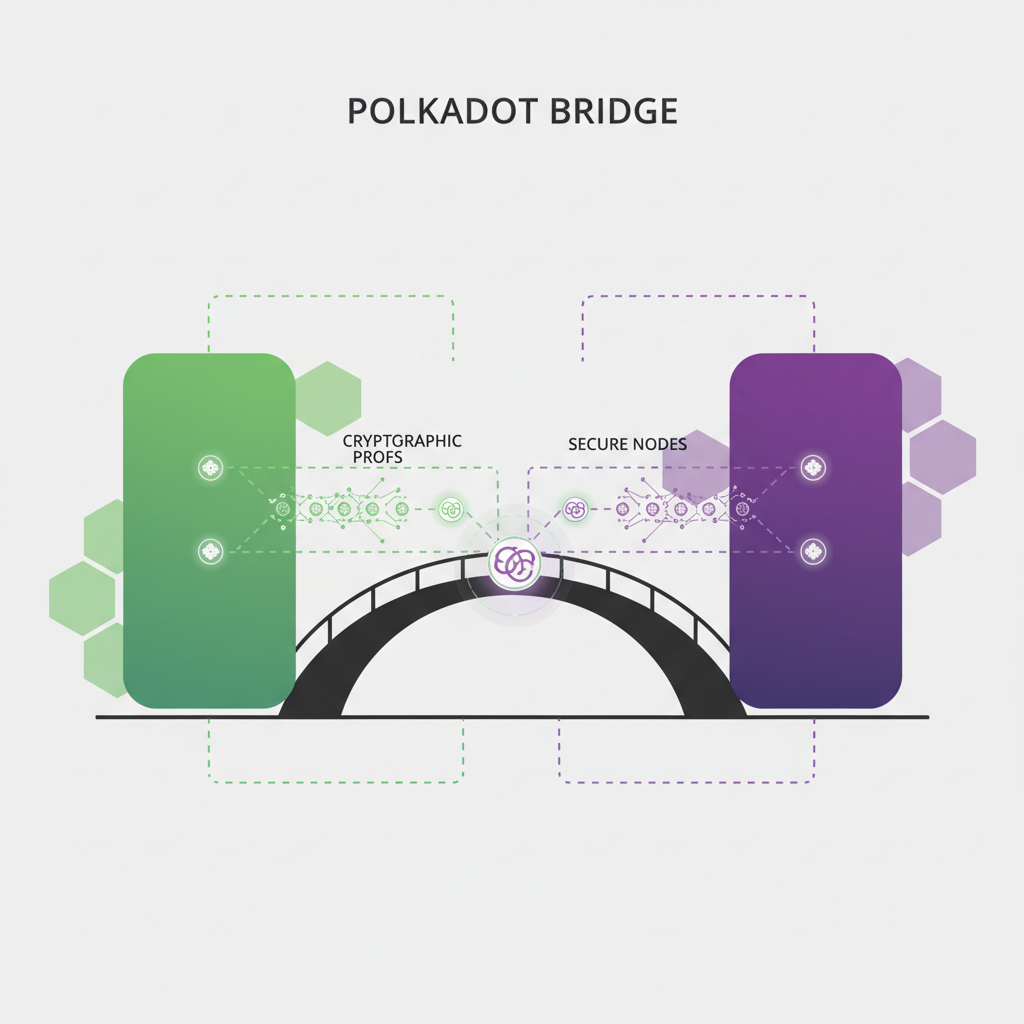
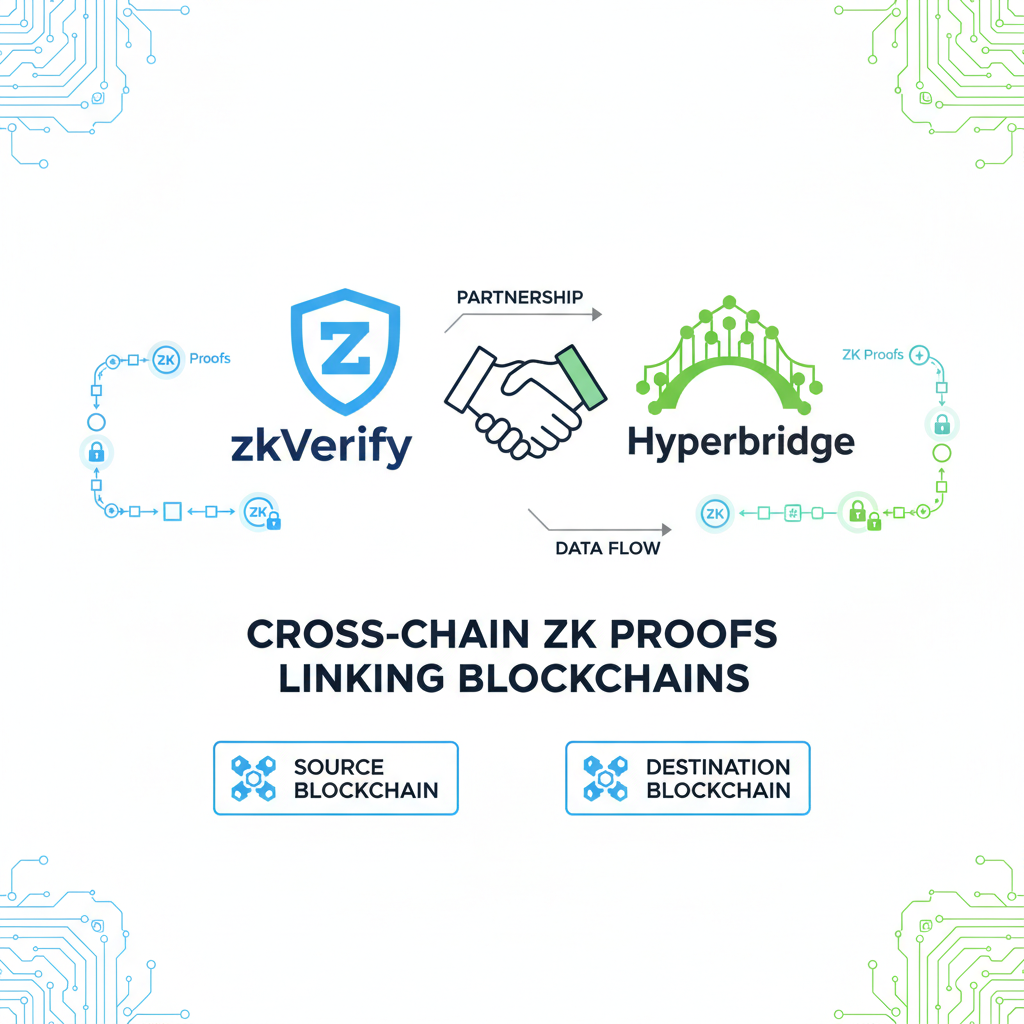
The backbone of effective cross-chain zk identity lies in robust verification layers. zkVerify, a modular Layer 1 blockchain, specializes in ultra-efficient ZK proof verification. It supports systems like Groth16 and Plonky2, enabling gas-efficient, cross-chain operations. Their recent partnership with Hyperbridge marks a pivotal advancement. Hyperbridge, built on Polkadot, has processed over 10 million finality proofs and $92 million in volume by 2025, using cryptographic proofs for trustless transfers.
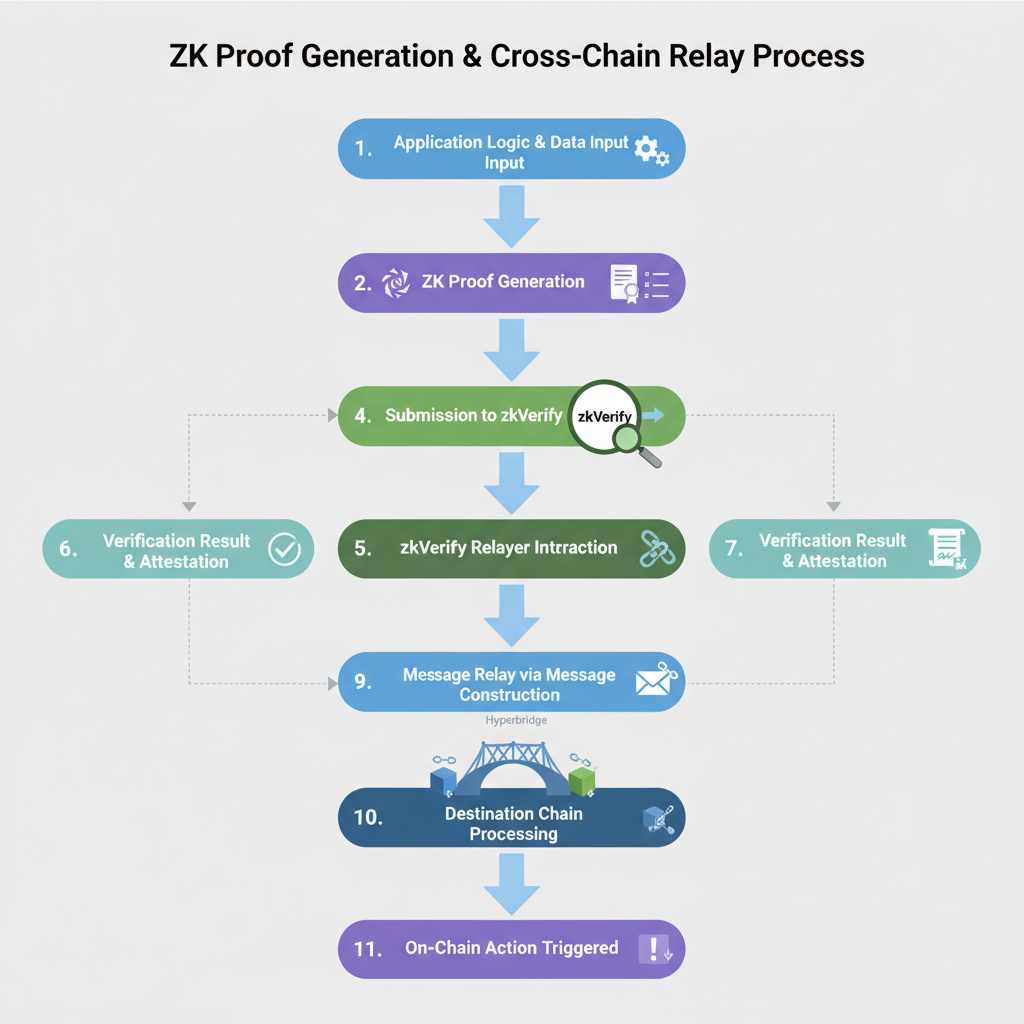
Together, they deliver cost-effective ZK verification across networks, sidestepping multisig vulnerabilities. Imagine verifying a PoH claim on Ethereum originates from a Solana action: zkVerify handles the proof aggregation, Hyperbridge the relay, all without wallet exposure. This alliance underscores a conservative evolution toward universal layers, optimizing for scale in fragmented blockchains.
Emerging Protocols Enhancing On-Chain Action Verification
Beyond binaries, protocols like V-ZOR introduce verifiable oracle relays fusing ZKPs, quantum-grade randomness, and cross-chain restaking. Traditional oracles falter on predictability; V-ZOR’s design selects reporters unpredictably, bolstering data integrity for PoH signals. In zero knowledge credentials web3 applications, this ensures actions like governance votes or airdrop claims remain private yet verifiable across chains.
zkProofers within Humanity Protocol’s PoH consensus further illustrate node specialization. These nodes validate proofs scalably, enhancing Web3 accessibility. Methodically stacking such layers reduces systemic risks, akin to diversifying credit exposures. Developers at ZKHubs. com leverage these for zk identity tools, prioritizing privacy preserving humanity proof in decentralized auth.
Such layered architectures enable developers to construct resilient on-chain action verification zk frameworks, where activities like decentralized governance participation or sybil-resistant airdrops confirm human involvement sans traceable footprints. At ZKHubs. com, we prioritize these tools, equipping builders with zk identity management that withstands scrutiny in multi-chain environments.
Implementing Cross-Chain Verification: A Methodical Blueprint
Deploying zk proofs proof of humanity demands precision, much like calibrating bond durations amid yield curve shifts. Protocols now converge to simplify this: zkVerify aggregates proofs from disparate systems, Hyperbridge relays them trustlessly, and zkTLS from Humanity Protocol injects Web2 credentials securely. The result? A unified verification layer that scales without proportional costs or privacy erosion.
Cross-Chain Proof-of-Humanity: zkTLS Generation, Relay & Verification Guide


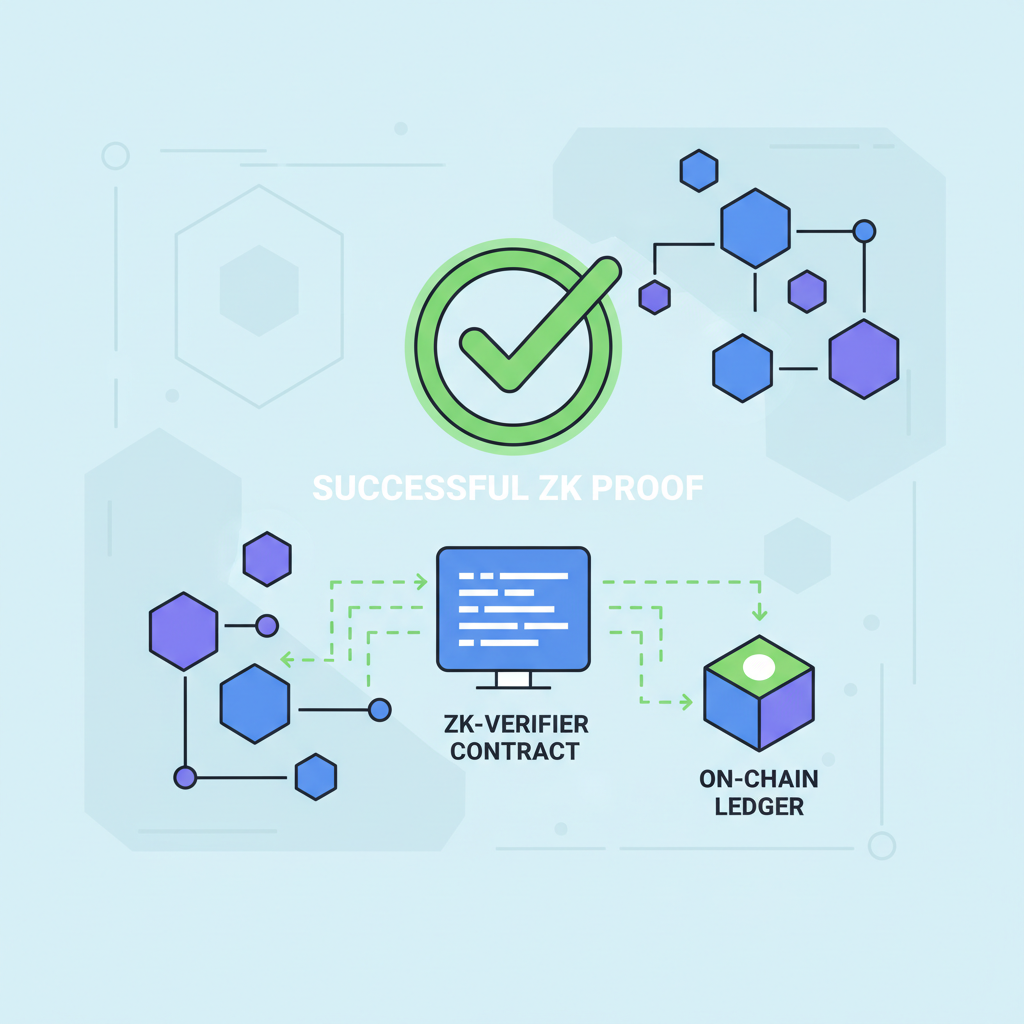

V-ZOR complements this by infusing oracle reliability, its quantum randomness thwarting adversarial predictions in reporter selection. For enterprises eyeing zero knowledge credentials web3, this stack offers programmable privacy: prove employment tenure or credit history across chains, all while retaining data sovereignty. My two decades assessing credit risks affirm the wisdom here; opacity to outsiders preserves optionality.
Yet execution reveals nuances. Proof aggregation must balance compression with verifiability, lest gas fees undermine adoption. zkVerify’s modular design tackles this, supporting diverse systems like Groth16 for succinctness and Plonky2 for speed. Hyperbridge’s track record – over 10 million proofs and $92 million transferred – validates the infrastructure’s maturity under load.
Mastering Cross-Chain ZK Proof Verification: zkVerify x Hyperbridge for Proof-of-Humanity
Risk Mitigation: Layered Defenses in Volatile Ecosystems
From a risk management lens, cross-chain PoH via ZK proofs hedges against sybil proliferation and chain-specific exploits. Traditional multisigs invite collusion; cryptographic relays sidestep this. zkHumans’ biometric commitments add uniqueness without biometrics exposure, a conservative bulwark akin to collateralized debt obligations structured prudently.
Challenges persist: proof finality lags in high-latency bridges, and quantum threats loom distant but real. Protocols counter with restaking incentives and modular upgrades, fostering antifragility. zkProofers exemplify node incentives aligned for honest validation, reducing economic attacks. Developers at ZKHubs. com integrate these defensively, optimizing privacy preserving humanity proof for DeFi, DAOs, and beyond.
These advancements herald a disciplined pivot: blockchains where humanity proofs underpin actions without the drag of exposure. Privacy emerges not as luxury, but foundational resilience, much as diversification shields portfolios from idiosyncratic shocks. As fragmentation yields to interoperability, ZKHubs. com stands ready with tools that methodically secure the frontier, empowering users to transact humanly across chains.