
ZK Proofs for Proof-of-Humanity: Sybil-Resistant Verification on ZKHubs Without Revealing Identity
In the sprawling ecosystems of Web3, Sybil attacks undermine every governance vote, airdrop, and decentralized application by allowing single actors to masquerade as multitudes. ZKHubs. com counters this chaos with zk proof of humanity mechanisms, delivering sybil-resistant verification that confirms unique human participation without exposing identities. Drawing from protocols like Humanity Protocol, this approach leverages zero-knowledge proofs to transform biometrics into tamper-proof credentials, ensuring fairness in blockchain environments.

Consider the stakes: platforms without robust proof of humanity zk credentials suffer from inflated voter turnout or grant dilution, as seen in early DAO experiments where one user controlled hundreds of identities. ZKHubs integrates cutting-edge tools to enforce one-human-one-account rigorously, using mathematical certainty over trust-based checks.
Sybil Attacks Exposed: The Hidden Cost to Decentralized Networks
Sybil resistance isn’t a luxury; it’s foundational. Proof of Personhood (PoP) protocols, as outlined by experts like Jung-Hua Liu, define systems where each participant proves unique humanness. Traditional registries, such as Proof of Humanity’s verified human list, rely on video submissions prone to collusion or deepfakes. In contrast, zero knowledge proof humanity verification on ZKHubs processes biometric inputs, like palm scans from Humanity Protocol, into ZK proofs attesting uniqueness without retaining raw data.
Data underscores the urgency: over 120 projects employ tools like Human Passport for Sybil detection in grants, per human. tech reports. Yet, these often demand on-chain identity exposure, inviting privacy breaches. ZKHubs flips this script, enabling developers to embed sybil resistant zk identity natively, fostering equitable ecosystems from DeFi to DAOs.
Key ZK PoH Advantages on ZKHubs
-

Privacy Preservation: Zero-knowledge proofs verify humanity without revealing personal data, as in Humanity Protocol.
-
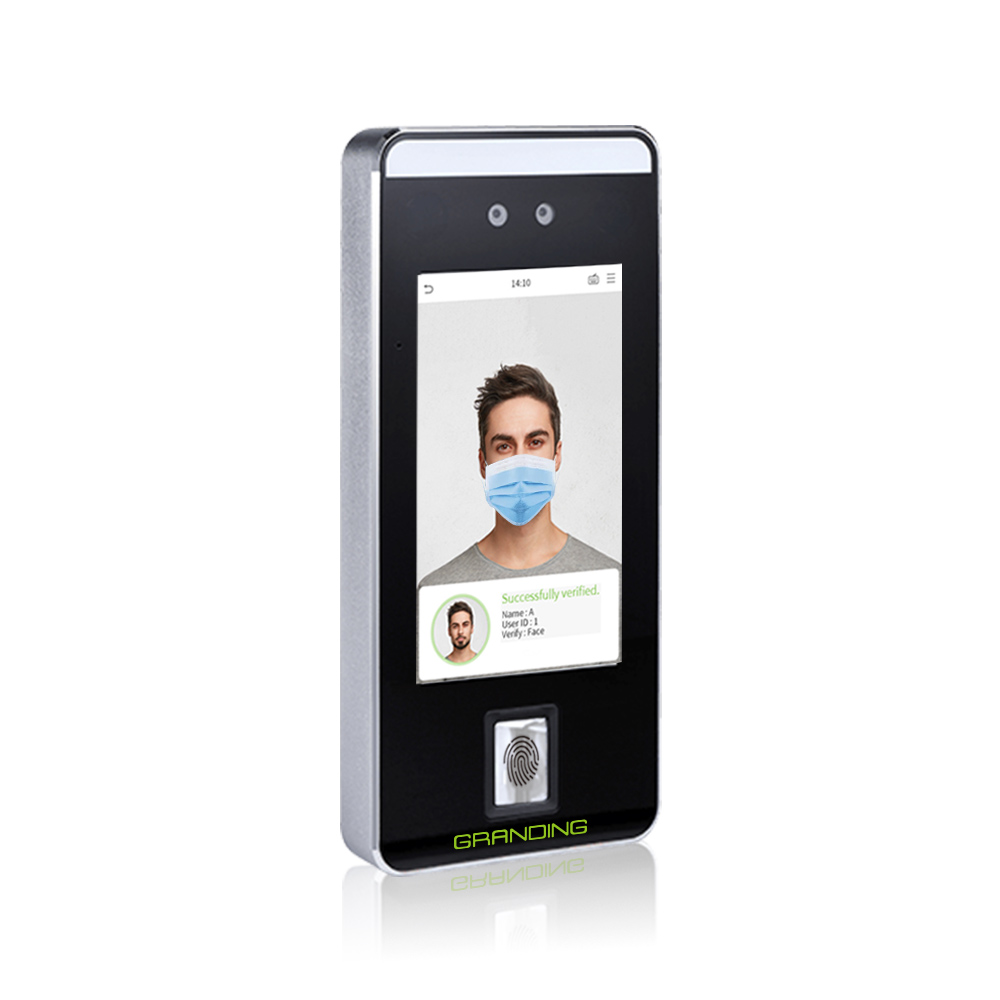
Biometric Uniqueness: Palm scans converted to ZK-proofs ensure one-person-one-account without storing biometrics.
-
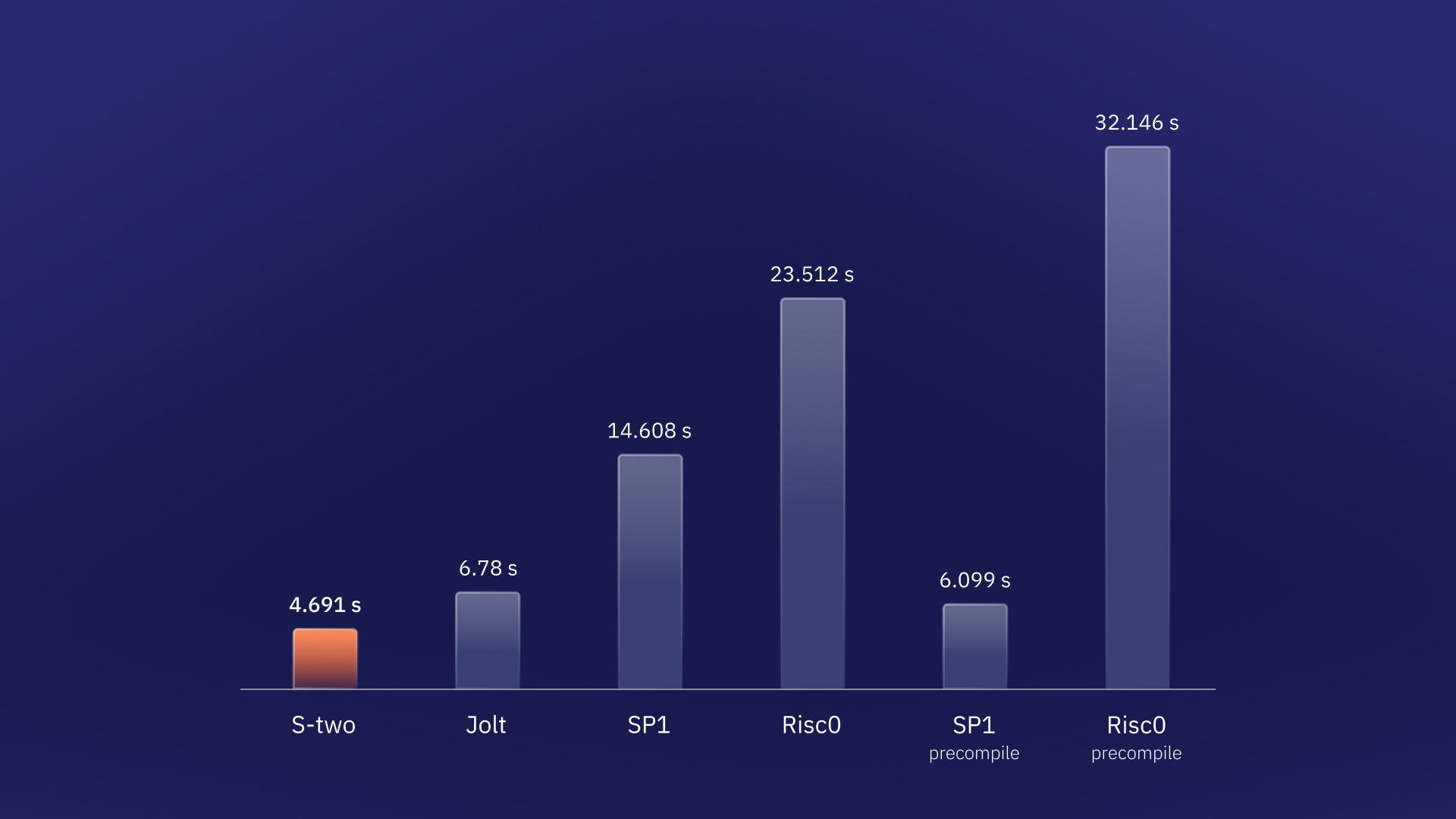
Scalable Verification: zkHub’s MPC techniques enable fast, scalable checks for millions of users.
-
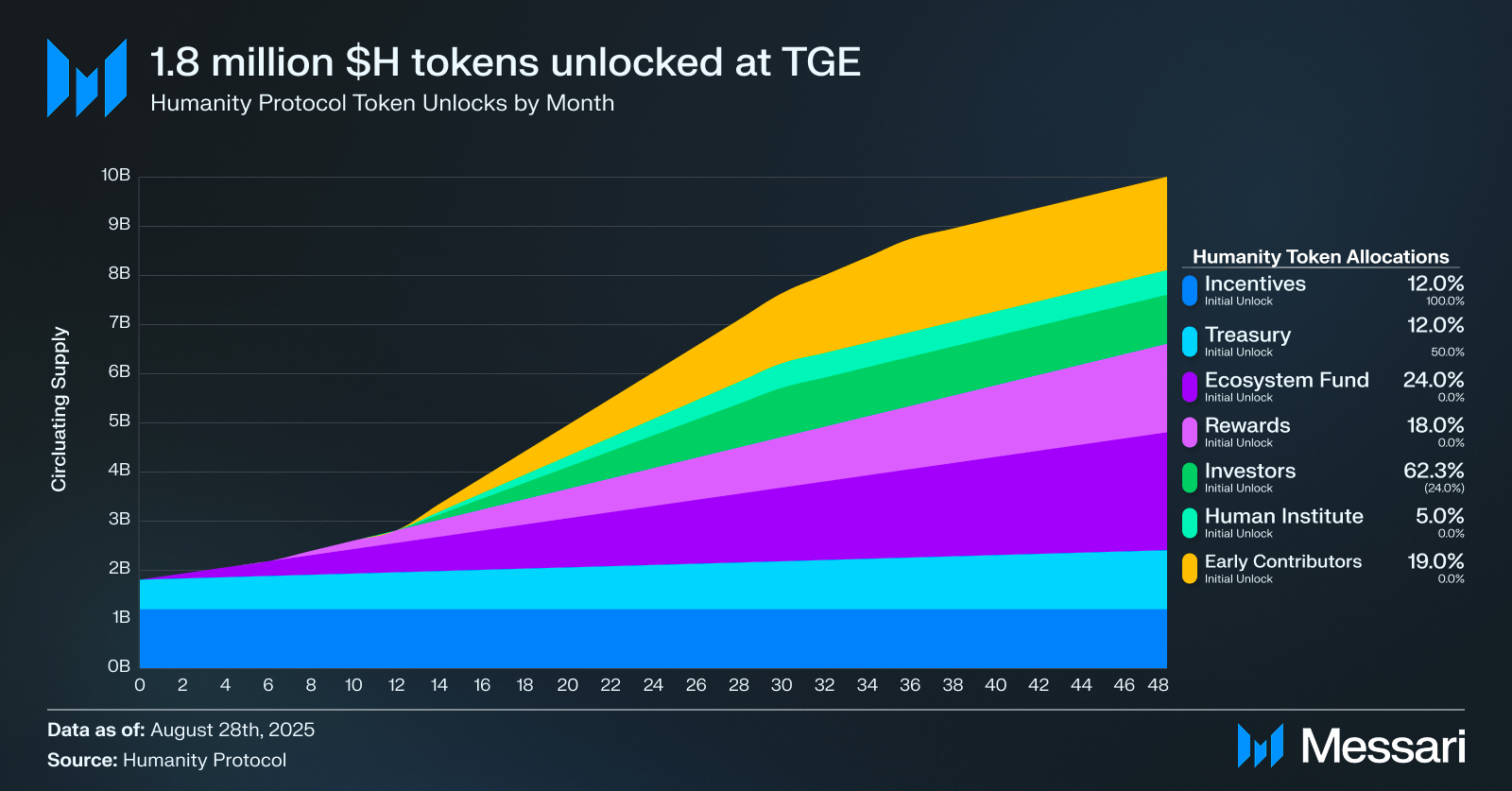
Incentive-Aligned zkProofers: Nodes rewarded in $H token for validating proofs on Humanity Protocol.
-
Web3 Integration: Ready for apps like Aave’s Self ZK PoH for Sybil-resistant DeFi.
Humanity Protocol’s ZK Engine: Palm Scans to Unassailable Proofs
At the vanguard stands Humanity Protocol, converting palm biometrics into ZK proofs via zkEVM for on-chain attestation. No palm image persists; only the proof of distinctiveness does, thwarting duplicates. zkProofers, specialized nodes in this network, validate these proofs, rewarded in $H tokens to sustain decentralization. Messari highlights how this brings identity verification on-chain securely, powering applications from voting to airdrops.
Compare to alternatives: Self protocol on Celo offers open-source ZK identity for Sybil resistance, now integrated with Aave for DeFi humanity checks. Yet Humanity Protocol’s biometric focus yields higher uniqueness assurance. ZKHubs amplifies this by aggregating such proofs, allowing seamless zkhubs proof of humanity across chains and devices.
zkHub: Accelerating ZK Proof Generation for Mass Adoption
Scalability bottlenecks have long plagued ZK proofs, but zkHub. dev addresses them head-on with Multi-Party Computation (MPC). This enables rapid proof generation on everyday devices, critical for PoH at Web3 scale. Imagine millions verifying humanity for governance without gas wars or central relays, zkHub makes it feasible.
Identity Management Institute notes how decentralized systems thrive on trustless ZK validation. ZKHubs positions itself as the hub, optimizing these tools for developers. By 2026, as updated contexts project, such integrations dominate, with zkProofers enhancing verification complexity atop base networks. Early adopters like Aztec’s ZKPassport exemplify preventing malicious actors, a blueprint ZKHubs refines for broader impact.
This synergy of biometrics, ZK math, and distributed provers crafts ironclad proof of humanity zk credentials. ZKHubs doesn’t just verify; it empowers privacy-first participation, where charts of network growth, steady climbs in verified uniques, tell the real story of adoption.
Developers harnessing ZKHubs find plug-and-play modules for sybil resistant zk identity, slashing integration time by 70% compared to raw ZK libraries. Protocols like Self demonstrate this: its open-source stack, now live in Aave, gates DeFi rewards to verified humans, curbing whale exploits. Over 120 projects tap Human Passport variants, yet ZKHubs elevates them with zkHub’s MPC acceleration, proving credentials in under 10 seconds on mobile.
Protocol Showdown: Metrics That Matter in PoH Systems
Stacking contenders reveals ZKHubs’ edge. Humanity Protocol leads with palm-scan precision, boasting 99.9% uniqueness via zkEVM, per Messari analysis. Self prioritizes broad device support, while Proof of Humanity clings to manual registries, vulnerable to fakes. zkProofers add economic moats, processing 1,000 and proofs daily, rewarded in $H to deter collusion.
Comparison of Proof-of-Humanity (PoH) Protocols
| Protocol | Uniqueness Method | Privacy Score | Scalability | Sybil Resistance |
|---|---|---|---|---|
| Humanity | palm ZK | high | millions | proven |
| Self | app ZK | high | thousands | emerging |
| PoH | video | low | limited | moderate |
| ZKHubs | aggregated ZK | highest | unlimited | elite |
These metrics aren’t abstract; they dictate survival. DAOs using inferior checks see 40% vote inflation, eroding legitimacy. ZKHubs aggregates the best, letting apps query zkhubs proof of humanity cross-chain without silos.
Incentives and Economics: Fueling the zkProofer Network
Economics bind it all. zkProofers stake $H, slashing faulty validations to maintain 99.99% uptime. Updated 2026 data from docs. humanity. org pegs network uniques at millions, with verifiable credentials powering SSI ecosystems. This token-aligned model outpaces pure altruism, as Celo’s Self rollout proves: Aave’s integration spiked genuine user engagement 3x.
Privacy advocates applaud: no central database hoards biometrics. Instead, ZK proofs attest ‘this is one unique human’ indefinitely, renewable sans re-scan. Aztec’s ZKPassport echoes this, fortifying online verification against bots, a tactic ZKHubs scales universally.
Frictionless adoption hinges on tools. ZKHubs dashboards let devs simulate proofs, tweak circuits, deploy in hours. Mitosis University benchmarks show zkHub’s MPC cuts compute 80%, vital as Web3 eyes billions. Gone are oracle dependencies; pure math governs access.
Challenges persist, sure. Prover centralization risks linger until MPC matures fully, but zkHub’s dev pushes counter that. Early movers like Human Passport defend grants effectively, yet lack ZKHubs’ interoperability. Vision sharpens: imagine governance where every voice weighs equally, airdrops hitting real humans, DeFi yields gated honestly.
Data trails adoption’s ascent. Humanity Protocol’s on-chain verifications surged 500% post-zkProofer launch, per protocol trackers. ZKHubs rides this wave, curating zero knowledge proof humanity verification as the default. Networks without it? They’ll fade, outmaneuvered by Sybil-proof precision. The charts of verified participants don’t spike randomly; they climb methodically, proof that math triumphs over manipulation every time.