
ZK Proof of Humanity: Private Human Verification for Web3 Credentials in 2026

In the decentralized landscapes of Web3 by 2026, ZK proof of humanity stands as the gold standard for zero knowledge human verification. This technology empowers users to confirm their unique human status without surrendering personal details, addressing rampant Sybil attacks and bot infestations that plague blockchains. Projects like Humanity Protocol have propelled proof of humanity zk into mainstream adoption, blending biometrics with cryptographic wizardry to forge tamper-proof zk identity credentials.

Consider the stakes: traditional identity systems leak data like sieves, fueling breaches and surveillance. Privacy proof of humanity web3 flips the script, letting individuals prove attributes – from airline loyalty to basic humanity – solely through succinct proofs. No databases hoard your iris scan or palm print; instead, zero-knowledge proofs (ZKPs) mathematically attest to facts without the underlying info.
Humanity Protocol’s Mainnet Ignites zkTLS Revolution
Humanity Protocol’s mainnet launch in early 2026 marks a pivotal shift. Their zkTLS innovation lets users prove access to secure websites – think frequent-flyer accounts from Delta or Marriott loyalty programs – without disclosing URLs or content. Link these to your Human ID, and voila: a portable reputation spans Web2 silos into Web3 realms.
Humanity Protocol bridges Web2 and Web3 by turning everyday credentials into private, verifiable assets.
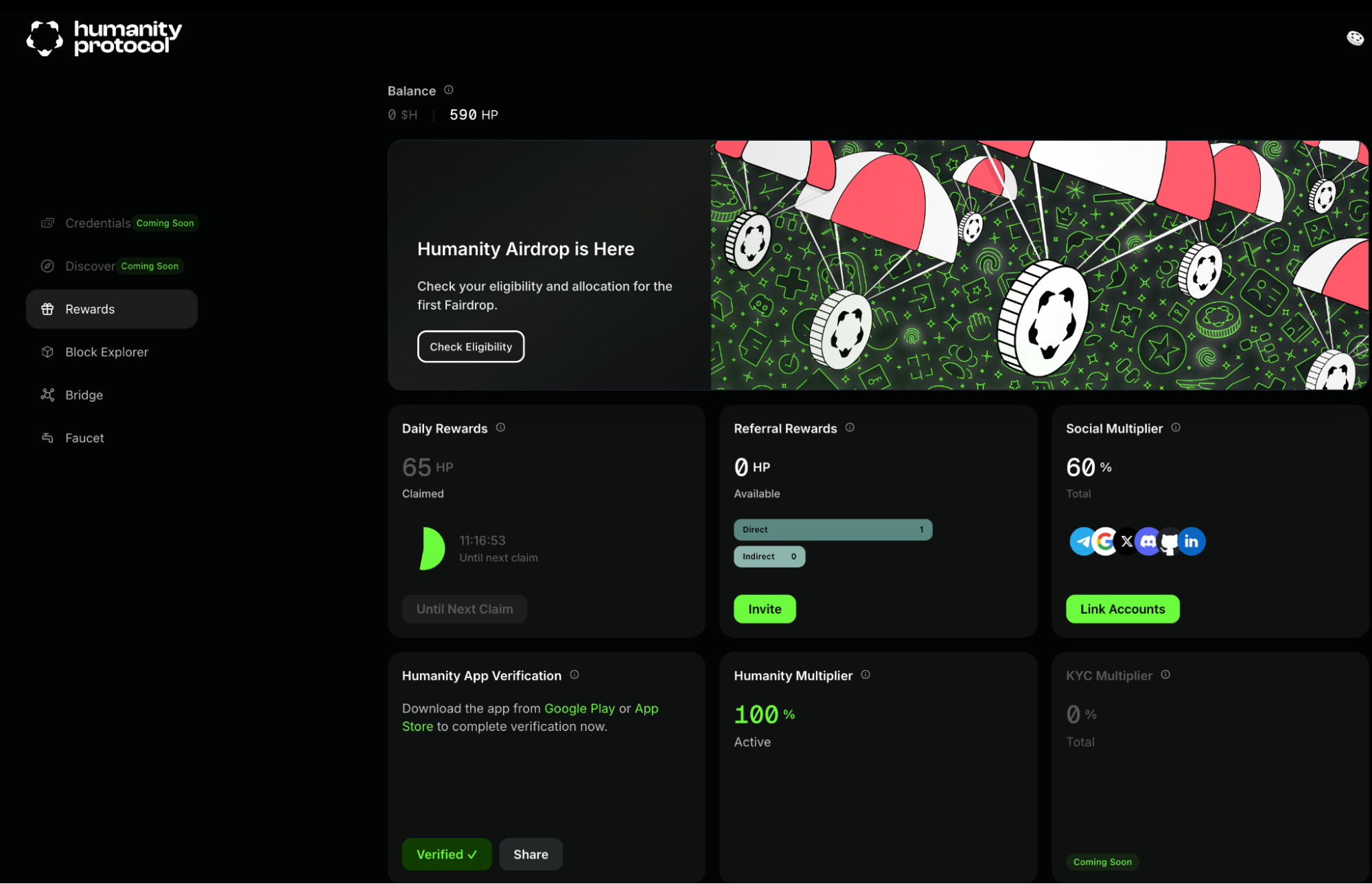
Palm biometrics fuel the core Proof of Humanity (PoH) mechanism. Scan your hand via a mobile app; the protocol generates a unique Human ID via ZKPs, storing no raw images. zkProofers, specialized nodes, validate these proofs in a consensus layer, ensuring one human, one ID. Messari notes this decentralized trust layer combats fraud while scaling to millions.
Biometrics Secured by ZK: Human Protocol’s Fraud-Proof Design
Human Protocol takes a multi-biometric tack, integrating fingerprint, facial, and iris scans with ZKPs. Encrypted data storage pairs with proofs to issue Proof of Human (PoH) certificates, enabling seamless decentralized participation. This setup slashes on-chain fraud; bots can’t mimic encrypted biometrics turned into ZK attestations.
Core ZK PoH Benefits
-
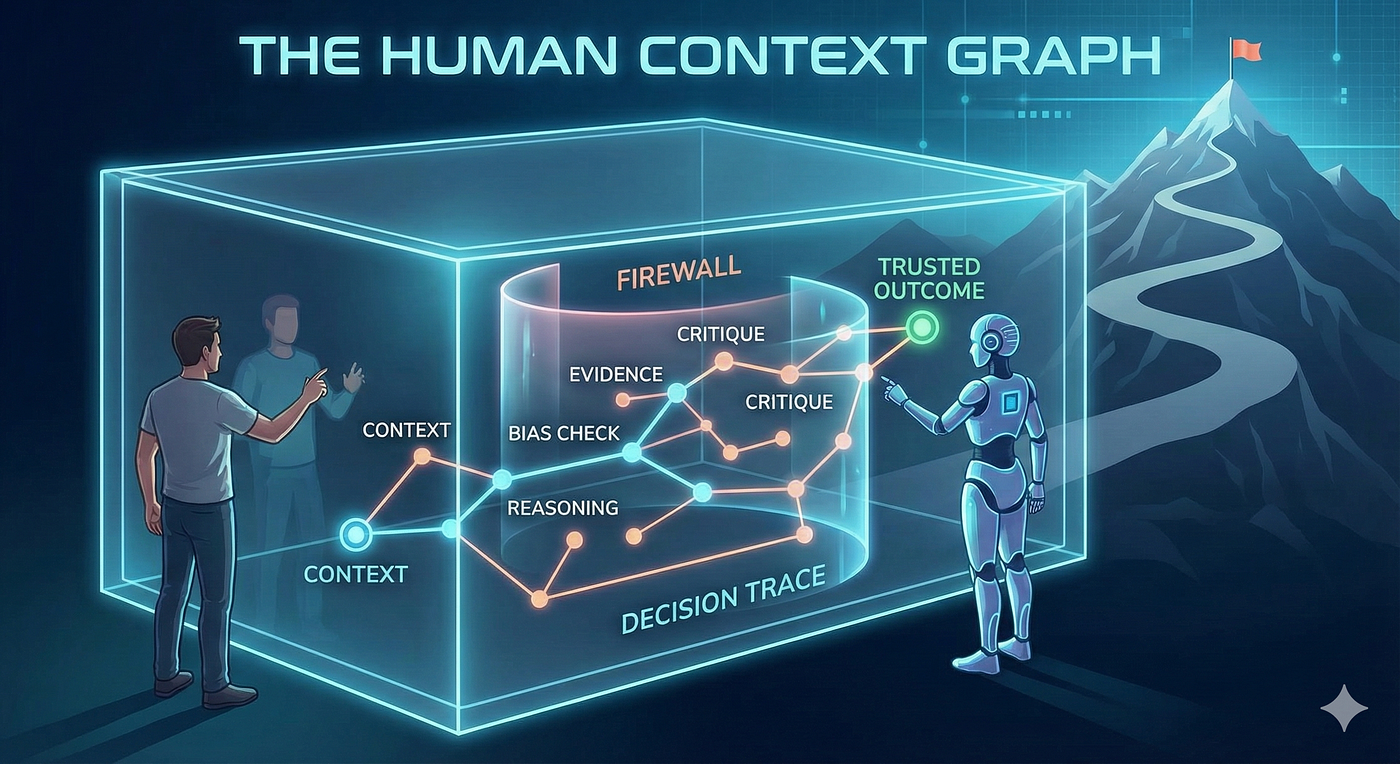
Sybil Resistance without data leaks: Verifies unique humans via ZK proofs, as in Humanity Protocol‘s PoH.
-
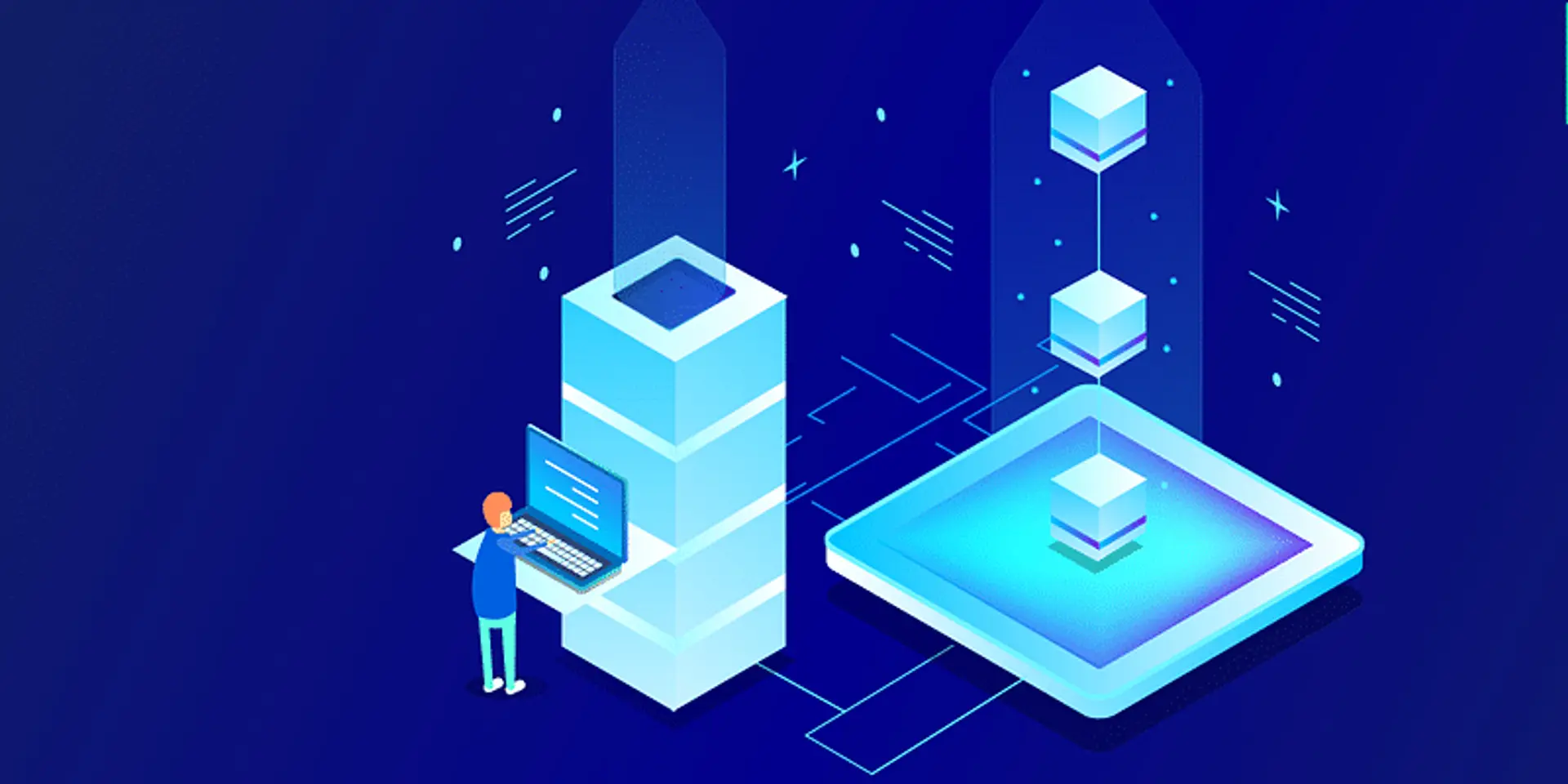
Scalable Verification via succinct ZK proofs: Efficient on-chain checks with zkVMs like RISC Zero.
-
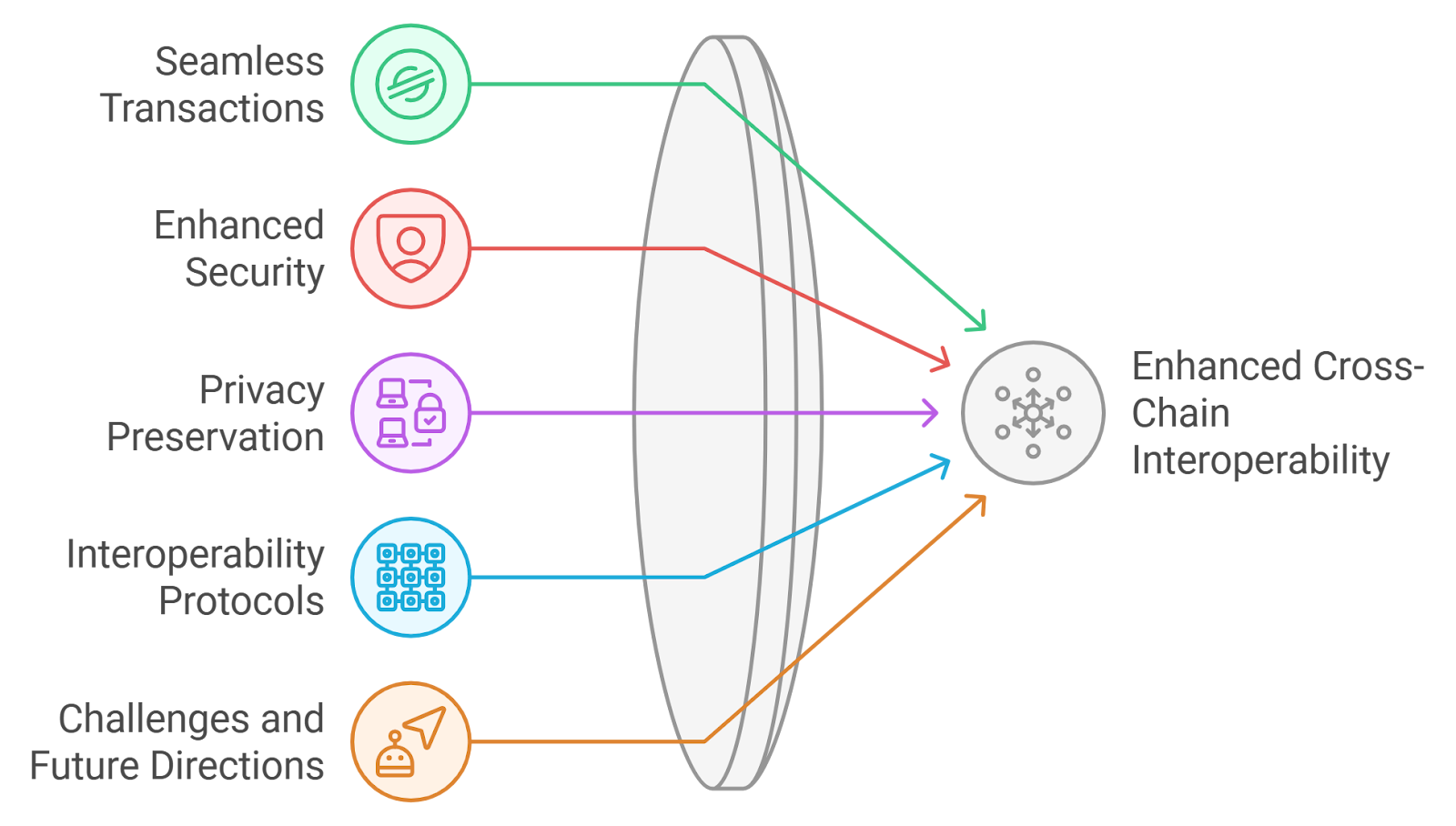
Portable Credentials across chains: Human ID links Web2/Web3 accounts, per Humanity Protocol mainnet.
-
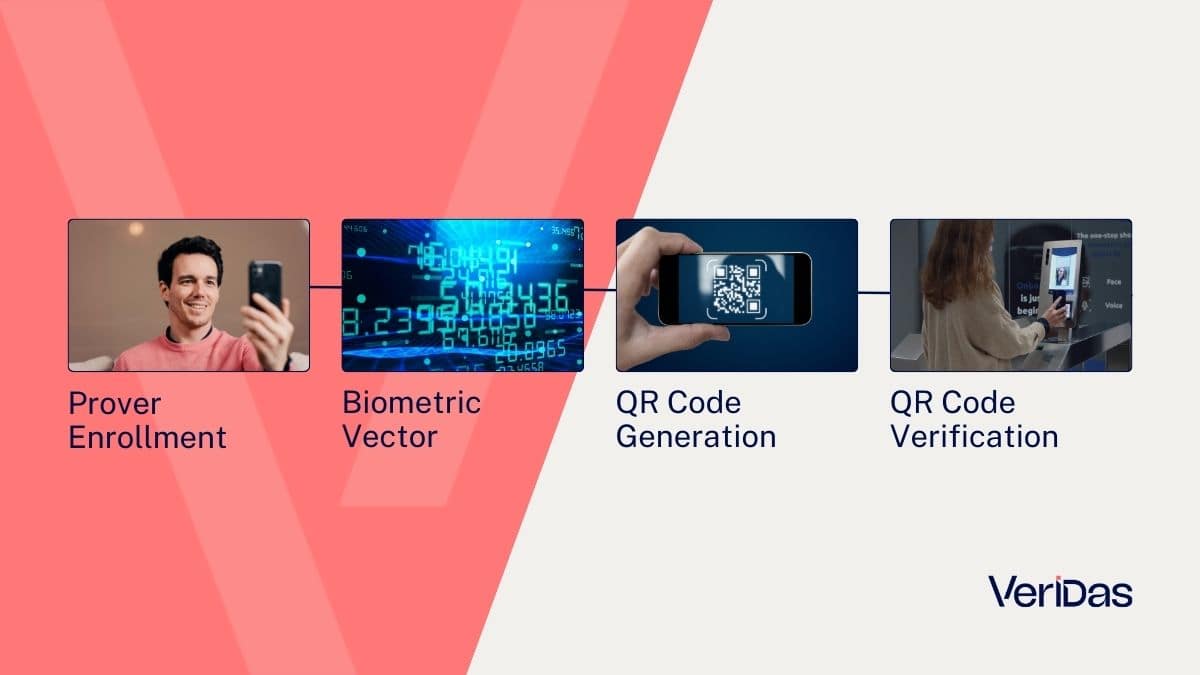
Biometric Privacy through zero-knowledge: No raw images stored, e.g., palm scans in Human Protocol.
-
Fraud Reduction in DeFi/DAOs: Combats Sybil attacks with PoH certificates from zkMe and others.
Participants earn PoH certs for tasks, fostering genuine human input in AI training or governance. Unlike centralized KYC, this model hands control back to users, verifying uniqueness at the protocol level.
zkMe’s Reusable Credentials Power DeFi and Beyond
zkMe emerges as the versatile workhorse for zk identity credentials, issuing reusable verifications for identity, compliance, finance, and even AI agents. Selectively disclose proofs – age over 18, financial status, or professional quals – across DeFi, RWAs, launchpads, without repeated scans or exposures. Multi-chain support amplifies reach.
ZK identity wallets exemplify this, proving attributes like adulthood sans ID shares, a boon for age-gated Web3 apps. zkMe’s framework integrates with protocols chain-wide, optimizing for privacy-first authentication.
These protocols converge on a truth: ZKPs aren’t just efficient; they’re essential for trustworthy Web3. Off-chain compute via zkVMs like RISC Zero verifies complex claims – ML models or oracles – on-chain with minimal gas. NTT Data dubs ZK the trustworthiness engine for Web3 privacy.
Worldcoin’s pivot toward zero knowledge human verification underscores the tide turning against data-hungry models. Their rebrand prioritizes ZK credentials, verifying humanity sans personal exposure, yet palm-centric protocols like Humanity steal the spotlight for biometric elegance and decentralization.
INTRODUCING: NEW INFINITE ROUNDS ON @betrmint
Own A Piece of the Infinite Flywheel with BETRMINT v3 and $BETR, live now!
TLDR:
BETRMINT is moving from a curated model to a permissionless one, with infinite rounds that will allow for uncapped creator earnings, unlimited rewards for $BETR stakers and daily baked-in token buy pressure. All new smart contracts by our wizard dev @netnose with onchain-verified odds via chainlink vrf and a brand new stand-alone web app that can be played from any browser and any wallet at any time, all with a vision of giving creators and builders access to meaningful distribution and earning potential and giving our community interesting daily discovery and the opportunity to share in the upside and Own the Infinite Flywheel!
Read on for more details! 👇
—
📣 INFINITE PROMISES
Let me start with something that needs to be said out loud: Creators have been promised a lot of things onchain over the past half-decade, and ultimately… given very little.
We were all told that onchain would change the game for artists, musicians, builders, and all the people making things worth caring about. And in pockets, maybe it has. But most of those incentive structures have dried up, pivoted, or have been bought and quietly taken behind the shed. The vibe has shifted and not in a good direction.
And then there were creator coins. The theoretics were elegant and the experimentation was maybe earnest, but the impact for real creators was generally… mixed-to-pretty-bad?
We started BETRMINT last year with a different and slightly unhinged theory: What if a little bit of serendipitous speculation could be a genuinely effective discovery, distribution and earning mechanism for onchain creators?
What if we could make patronizing creators fun, financially meaningful, and actually fair for the people creating the culture we all crave?
Well it turns out you can do that, and we have the receipts to prove it.
Over the past ten months, BETRMINT has done over $300,000 in volume through our mini app, all with a maximum of three curated rounds per week, limited mints, and $BETR token incentives fronted from our community fund, coupled with tokens from a litany of amazing project partners.
We’ve paid out over $80,000 in direct creator rewards. Creators who were featured in our rounds would routinely walk away with $300-$800 just from the community showing up and spinning to support their work.
Now it’s time to take it to the next level, and that’s what BETRMINT v3 is all about.
—
🎡 INFINITE ROUNDS
In v1 and v2, we ran a curated model. Handpicked creators, limited slots, and hyped-up scheduled rounds. It worked well to build a solid community, test our thesis, and figure out the right way to grow. Now it’s time to take the model and scale it to infinity.
As of RIGHT NOW, we’re moving to SEVEN rounds per week in a more permissionless structure, meaning more creators, more builders, more awesome onchain things to discover daily, plus zero hard caps on mints or creator earnings, and no hard cap on the revenue share we can pay to $BETR stakers who share in our success.
And here’s the other thing that’s new today and kind of a big deal: BETRMINT v3 works as a standalone web app (try it for yourself by firing up betrmint dot fun outside of Farcaster.)
Any browser, any wallet, desktop or mobile. Not just Farcaster or Base App anymore. Now anyone can spin, at any time from anywhere. That’s a dramatically larger total addressable market for every single round we run, and it means the creators and builders who are showcased in our app now have a legitimate path to discovery across Farcaster, X and beyond.
The vision is for BETRMINT has always been to become a powerful onchain primitive for discovery on @base.base.eth, a place where interesting content and apps get found, and where the people making them actually get paid for their creativity.
If you’re a creator, builder or founder trying to bootstrap distribution and actually get paid for what you’re making, send us a DM. (btw we’ve also been building a new agentic self-serve distribution engine called BETR Boost and we’ll have more info on that soon, but for now, slide in the DMs or the comments here and we’ll be in touch.)
—
⚖️ INFINITE FAIRNESS
Something else that’s new today: the odds in BETRMINT v3 are now fully onchain, verified by Chainlink VRF. They’ve always been transparent and fair, but now they are onchain too.
For the uninitiated, Chainlink VRF (Verifiable Random Function) is the gold standard for provably fair randomness in smart contracts, cryptographically verifiable, tamper-proof, and completely transparent. When we tell you the spin odds, you don’t have to take our word for it anymore. You can verify every result yourself, onchain, every single time.
And on the subject of fairness: daly free spins are coming too.
A limited number of free spins will be made available programmatically throughout the day, available on a first-come-first-served basis, with the exact same odds as paid spins. Same Chainlink VRF. Same prize pools. Same shot at the Jackpots. Zero dollars required. We’ll be using Base Verify for Sybil control, so the free spins go to real humans rather than farmer bots. (NB: Free spins won’t be live on day one because we need a few days of volume data to calibrate them properly, but we’re targeting the second week of March to have them live.)
Provably fair odds. Free entry for verified humans. Win-win-win.
—
☸️ INFINITE FLYWHEEL
Now for the part that $BETR token holders (or would-be holders) are going to want to read carefully…
When we launched $BETR alongside the app, we made a deliberate decision and used a @clanker vault to reserve 50% of supply for community initiatives and airdrops, and we spent the BETR part of a year methodically distributing it to our most loyal users.
That was an intentional, structured, ten-month-long airdrop of the native token directly to the people who really showed up. And we don’t regret a second of it, because those are the people who built this community.
But that period is now over. And v3 is what comes next.
$BETR can now be considered fully distributed and represents your opportunity to OWN THE INFINITE FLYWHEEL.
The new infinite spin economy works like this:
Every spin costs $2 USDC. That USDC is programmatically swapped to $BETR before the spin result is decided by our Chainlink VRF oracle. The prize flywheel is now self-contained and self-sustaining, with daily, programmatic buy pressure baked directly into the game design, and no longer dependent on our treasury.
Every spin that happens in BETRMINT now creates organic demand for $BETR. Not occasionally. Not when we decide to run a campaign. Every. Single. Spin. Every day. Programmatically. Forever.
Yes, players may sell the $BETR they win, of course. But our data tells a pretty consistent story: most don’t. A lot of people in our community have started treating BETRMINT rounds as their daily DCA… dopamine-driven accumulation, if you will. And honestly? Why not?
Because you can take those winnings and immediately stake them, earn 20%+ APY from real revenue share (not token inflation), and stack your BETR Karma score for the next seasonal airdrop.
The game is designed so that if you’re staking and playing consistently, your expected value is almost certain to be positive.
The worst case scenario when you spin is you discover a new creator you didn’t know existed. The best case is you discover that creator and hit a 100x jackpot… all the while earning daily rewards for staking it and getting airdropped quarterly for using the app. That’s what I call…
—
⤴️ INFINITE UPSIDE
So here’s the vision in plain terms: BETRMINT v3 isn’t just a new version of the app, it’s a structural shift in what both the app and its native token are meant to do.
$BETR transforms from a dilutive community token sustained by our treasury to a token with daily, protocol-native demand baked into the core game loop. The flywheel feeds itself. And as the app scales with more creators, more players, more rounds, the infinite flywheel only spins faster.
We’ve proven the model works at a more limited scale. Three rounds a week, tight supply, treasury-driven incentives, $300K in transaction volume. v3 opens the door to potentially 10x or 50x that volume as rounds go daily and permissionless. And we will continue to share that upside with token holders exactly as we have been, through staking rewards funded by protocol revenue.
Stake it to make it: 20%+ APY from real revenue share, compounding daily, with no inflation tricks. The more the app is played, the more revenue flows, the more stakers earn. Stakers aren’t passengers on this ride, they own a piece of the Infinite Flywheel.
There’s also an airdrop coming that you should know about: the next BETR Bomb will drops on our one-year anniversary, April 29, and the Karma you’ve racked up between the beginning of 2026 and then will determine your allocation. Play daily, stake your winnings, complete quests, share the app. The more people spinm the bigger the airdrop will be. The flywheel is now infinite… Own your piece of it.
(a little more context and alpha in next cast…)
https://betrmint.fun/mint-spin-win/base:0x98664099360871f74048CD0b0901bE3A37a3B955
Yet integration hurdles persist. zkTLS shines for loyalty proofs, but bridging legacy Web2 demands robust oracles and cross-chain relays. zkMe counters this with multi-chain credentials, proving compliance for DeFi loans or RWA tokenization without doxxing. Imagine collateralizing a mortgage via ZK-attested income, no bank statements spilled. Human Protocol’s PoH certs extend to AI data labeling, where bots dilute training sets; genuine humans earn while fortifying models against synthetic noise.
Sybil Resistance Meets Scalability: Metrics That Matter
Data from mainnet launches reveal traction. Humanity Protocol’s zkProofers process thousands of daily verifications, with proof sizes under 1KB enabling gas fees below $0.01 on L2s. zkMe reports 500K and reusable credentials issued across Ethereum and Solana, slashing KYC costs by 90% per Messari benchmarks. Human Protocol’s biometric fusion yields 99.9% uniqueness accuracy, per their dev docs, outpacing facial scans alone amid deepfake surges.
Top ZK PoH Protocols by Metrics
-
Humanity Protocol: zkTLS for Web2 bridges, palm ZKPs, mainnet live
-
zkMe: Multi-chain creds for DeFi/AI, 500K issued
-
Human Protocol: Multi-biometric PoH certs, 99.9% accuracy vs Sybils
These figures aren’t hype; they’re battle-tested against real threats. DAOs deploy privacy proof of humanity web3 for quadratic voting, ensuring one-person-one-vote without wallets unmasking. DeFi platforms gate high-yield farms to verified humans, curbing whale manipulations.
Regulatory headwinds loom, but ZK’s selective disclosure aligns with GDPR and emerging U. S. privacy bills. Prove residency for airdrops or citizenship for governance, reveal nothing more. zkVM advancements from RISC Zero amplify this: prove off-chain human tasks – captcha solves, content moderation – settle on-chain instantaneously. Succinct SP1’s rise means devs craft custom circuits for niche verifications, like gamer achievements or professional licenses.
Critics decry biometrics as surveillance bait, but ZK wrappers neutralize that. No central honeypot; proofs are ephemeral, revocable by users. Humanity’s no-image policy sets the bar: hash your palm locally, attest globally. Compare to Gitcoin Passport’s social signals – useful, but gameable by farms. True zk proof of humanity demands flesh-and-blood anchors.
2026 Horizon: Mass Adoption Catalysts
By mid-2026, expect zk identity layers in every L1. EigenLayer restaking secures proof networks; Celestia DA layers store succinct ZKPs at pennies. Airlines pilot Human IDs for boarding passes, blending PoH with NFC wallets. AI agents wield zkMe creds for autonomous trades, verified as human-trained. Fraud drops 70% in audited protocols, per InfStones data, as ZK replaces trust with math.
Developers flock to SDKs: Humanity’s palm kit integrates in 10 lines; zkMe’s circuits plug into Foundry tests. Web3 wallets like Rabby embed PoH badges, signaling verified users in chats. This isn’t incremental; it’s foundational. Blockchains bloated by bots slim down, throughput soars, UX rivals Web2 logins.
ZK fuses humanity’s spark with blockchain’s steel, birthing identities that empower, not ensnare.
Stakeholders from privacy hawks to yield farmers converge here. Portable, private, precise – zk identity credentials redefine Web3’s social contract, one proof at a time. Projects iterating fastest will claim the throne, but the tech’s promise is universal: humans verified, data liberated.