
Decentralized Autonomous Organizations (DAOs) promise a future where governance thrives without central authorities, yet scaling membership while safeguarding privacy remains a persistent challenge. As DAOs swell to thousands of participants, traditional verification methods buckle under the weight of sybil attacks, data leaks, and compliance hurdles. Enter zero-knowledge (ZK) identity solutions: cryptographic marvels that let members prove eligibility for ZK identity DAO membership without exposing personal details. This approach not only fortifies security but also paves the way for scalable ZK proofs DAOs, enabling fluid expansion without sacrificing trust.

Consider the explosion in DAO adoption. From investment collectives to community-driven protocols, these entities now manage billions in assets. But onboarding new members often relies on wallet signatures or social proofs, both prone to exploitation. Wallet-based checks ignore human uniqueness, inviting bots, while social verifications falter at scale. ZK proofs flip this script by allowing provers to demonstrate attributes, like age, residency, or accreditation, selectively to verifiers, all without revealing the underlying data. It's a balanced equation: privacy preserved, verifiability assured.
Overcoming Sybil Attacks with Private Verification
Sybil resistance defines viable DAOs, yet conventional tools like token snapshots or multi-sig wallets fall short in anonymous environments. Private DAO verification via ZK identity emerges as the antidote. Protocols rooted in zk-SNARKs or zk-STARKs generate succinct proofs that anyone can check rapidly, even on-chain. This means a DAO can enforce rules such as "one human, one vote" or "KYC-compliant contributors only" without storing sensitive info on public ledgers.
Key ZK Identity Benefits for DAOs
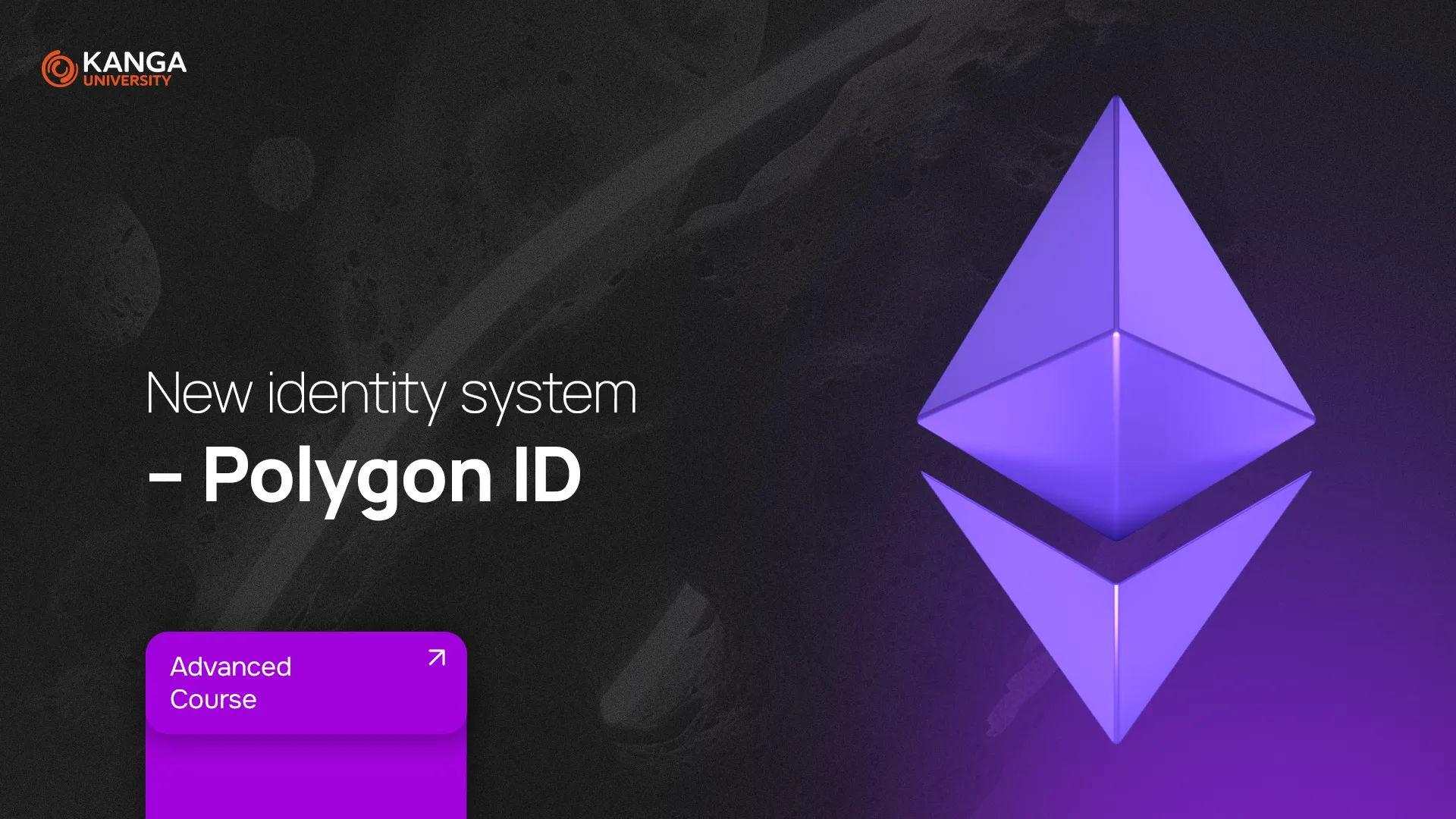
- Privacy Protection: ZK proofs let members verify attributes without revealing personal data, as in Polygon ID for private DAO governance.
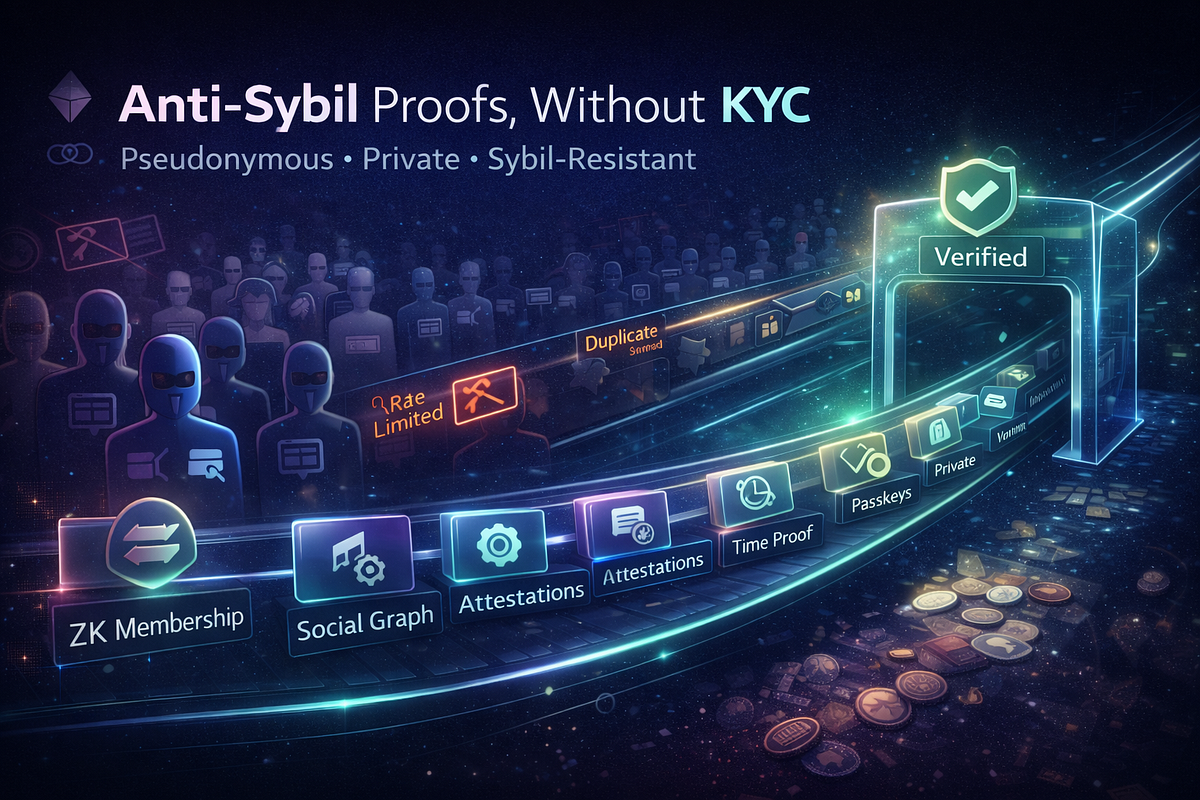
- Sybil Resistance: Proves unique qualifications or identity without disclosure, preventing fake accounts in decentralized systems.
- Regulatory Compliance: zkMe's zkKYC meets FATF standards via ZK proofs, enabling compliant verification without exposing data.
- Seamless Onboarding: zkPass generates proofs from Web2 docs like IDs, allowing quick DAO access without privacy loss.

The educational value here lies in understanding the mechanics. A member generates a ZK proof off-chain using their credentials, then submits it to the DAO's smart contract. The contract verifies the proof in constant time, regardless of credential complexity. No intermediaries, no data silos, just pure, mathematical certainty. This scalability shines in high-volume scenarios, like quadratic funding rounds or proposal voting, where gas fees and verification speed matter most.
Real-World Momentum: Polygon ID and Beyond
Recent innovations underscore ZK's maturity for DAOs. Polygon ID stands out with its self-sovereign identity layer, powered by zero-knowledge cryptography. It equips DAOs with verifiable governance frameworks where members attest to attributes privately. Imagine proving DAO eligibility based on professional credentials or regional residency, all while keeping identities shielded. This integration fosters inclusive yet controlled participation, sidestepping the privacy pitfalls of centralized ID systems.











Complementing this, zkMe's zkKYC service aligns with FATF standards, blending compliance and confidentiality. DAOs handling treasury funds or regulated assets can now onboard verified humans without exposing PII. Similarly, AnonyVote harnesses ZK for anonymous, tamper-proof voting, crucial for contentious proposals. Each voter proves uniqueness once, then casts ballots shrouded in cryptographic fog, ensuring integrity without doxxing.
zkPass and zPass: Bridging Web2 to Web3 Seamlessly
Bridging legacy credentials into blockchain realms demands finesse, and protocols like zkPass excel here. Users generate off-chain proofs from Web2 documents, driver's licenses, utility bills, via multi-party computation and ZK. These proofs grant compliant DeFi access, extending naturally to DAOs needing robust member vetting. No more hardware dependencies or biometric risks; just portable, reusable verifications.
Aleo's zPass takes it further with offline document uploads to privacy servers, yielding anonymous proofs for organizational sharing. For DAOs, this means authenticating global contributors securely, from unbanked regions to enterprise allies. StarkWare's insights on ZK applications reinforce this: proofs scale verifications across asset classes, much like diversified portfolios mitigate risk in finance. The parallel is striking, ZK diversifies trust away from single points of failure.
These tools collectively address the privacy paradox. DAOs crave broad participation for legitimacy, yet unchecked access breeds exploitation. ZK identity solutions recalibrate this dynamic, offering scalable ZK proofs DAOs that grow without governance gridlock. Developers gain primitives for custom rulesets, users retain sovereignty, and the ecosystem evolves toward mature decentralization.

No comments yet. Be the first to share your thoughts!