
The ZK Hub landscape in 2026
In 2026, the concept of a "ZK hub" has shifted from technical infrastructure to community gathering. These events are no longer just about showcasing zero-knowledge proofs or privacy protocols in isolation. Instead, they serve as the central nervous system for developers, researchers, and advocates focused on identity and digital privacy.
Major gatherings like ETHDenver and Istanbul Blockchain Week have become the primary venues where these conversations happen. ETHDenver, for instance, hosts the ZK Hub at the Buidl Hub, drawing attendees from around the world to discuss the practical applications of zero-knowledge technology. These events matter because they bridge the gap between complex cryptographic theory and real-world adoption.
The focus is increasingly on how ZK tech can empower users with control over their personal data. By bringing together diverse stakeholders, these hubs foster collaboration that accelerates the development of privacy-preserving solutions. This community-driven approach is essential for building trust and ensuring that zero-knowledge protocols are accessible and useful to everyone.
"The upcoming edition of ZK Hub will take place at the ETHDenver Buidl Hub over two days, the 28th February and the 1st of March." — Cryptonomist
ETHDenver: The annual ZK summit
ETHDenver has evolved from a general Ethereum gathering into the definitive annual summit for zero-knowledge technology. The scale of interest is undeniable, with the ZK Hub at the Buidl Hub now positioned as the biggest zero-knowledge event of the year. This dedicated track serves as the central nervous system for developers, researchers, and enthusiasts looking to connect over privacy-preserving protocols.
The event structure is designed to facilitate deep technical exchange. Over two days, the Buidl Hub hosts a concentrated schedule of talks, workshops, and networking sessions. It is less about broad marketing pitches and more about the gritty details of zkVM design, circuit optimization, and real-world deployment. Speakers like Elias Tazartes from Kakarot use this platform to share advanced architectural insights that are rarely covered in broader conference settings.
This focus on specialized content creates a unique energy. Attendees are not just passive listeners; they are collaborators in a rapidly maturing ecosystem. The ZK Hub provides the necessary infrastructure for these connections to happen, turning abstract cryptographic concepts into tangible engineering challenges.
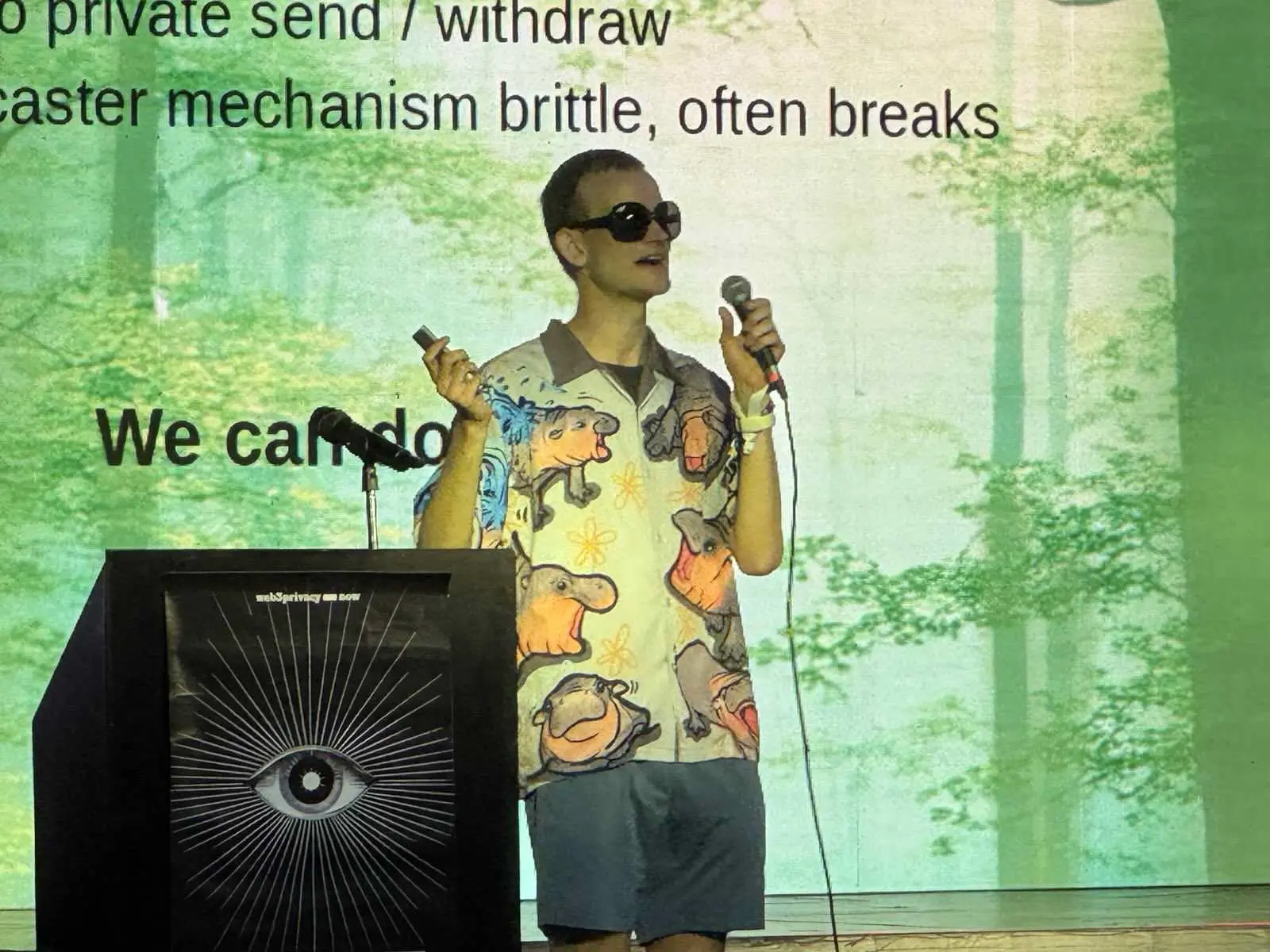
Istanbul: A rising digital finance hub
Istanbul Blockchain Week 2026 has quickly established itself as a critical node in the global ZK network. The event draws builders, founders, and investors to a city that is rapidly becoming a central hub for digital finance and blockchain infrastructure. The energy in the room reflects a broader shift, with Türkiye emerging as a key player in AI, blockchain, and emerging technology adoption.
The focus here is less on speculation and more on the underlying rails. Attendees connect with exchanges, venture capitalists, and technical builders who are actively deploying zero-knowledge proofs to solve real-world scaling and privacy challenges. This ecosystem approach distinguishes the event from purely marketing-driven conferences.
Alan Hung, a prominent voice in the ZK and DEX infrastructure space, highlighted the significance of this gathering. His participation underscores the growing recognition of Istanbul as a place where serious technical work meets vibrant community engagement.
ZKsync's 2026 roadmap shift
Matter Labs is preparing for a significant architectural pivot in 2026, marking the end of an era for the original ZKsync Lite network. The project has confirmed that ZKsync Lite will be sunset after successfully proving its concept, allowing the team to redirect resources toward more advanced infrastructure. This transition is not immediate; the Lite network will continue to operate with funds remaining safe and withdrawals to Ethereum mainnet still available during the transition period.
The 2026 roadmap centers on three major initiatives: Prividium, ZK Stack, and Airbender. Prividium represents a move toward enhanced privacy and modular capabilities, aiming to provide a more robust foundation for future decentralized applications. This shift from a monolithic approach to a modular one reflects the broader industry trend toward specialized, interoperable blockchain solutions.
"ZKsync Lite To Shut Down in 2026 After Proving Concept"
ZK Stack is designed to simplify the process of building custom rollups, offering developers a streamlined toolkit for deploying their own chains. This initiative is crucial for expanding the ZKsync ecosystem, enabling a wider range of projects to leverage zero-knowledge technology without starting from scratch. Airbender, meanwhile, focuses on improving transaction throughput and efficiency, ensuring that the network can handle increased demand as adoption grows.
This strategic shift signals a maturation of the ZKsync project, moving from a single-chain experiment to a broader ecosystem of interconnected tools and networks. The community's focus is now turning toward how these new components will integrate and what opportunities they will create for developers and users alike. The sunset of ZKsync Lite is not a failure but a milestone, clearing the path for more sophisticated and scalable solutions.
Community-driven ZK initiatives
While institutional players set the stage, the real momentum for zero-knowledge technology often comes from grassroots efforts. These community-driven initiatives are not just about building tools; they are about sustaining the infrastructure that allows ZK research to thrive outside of corporate boardrooms. By focusing on media, archiving, and direct support, these groups ensure that knowledge is preserved and accessible to anyone willing to learn.
A prime example of this sustained effort is the Zk Av Club, an initiative backed by the Zcash community. Rather than chasing the next viral token, the club has established a 2026 proposal focused on long-term media infrastructure and support. This includes creating dedicated channels for archiving ZK research papers, hosting educational content, and providing a stable platform for developers to share their work without the noise of typical social media cycles.
The club’s approach highlights a critical shift in the ecosystem: the move from speculative hype to practical utility. By treating media and education as public goods, the Zk Av Club ensures that the foundational knowledge of zero-knowledge proofs remains intact and growing. This kind of steady, community-led support is what keeps the technology grounded and relevant for the long haul.
The broader Zcash community forum has become a hub for these discussions, with members actively contributing to the development of these media infrastructure projects. This collaborative environment allows for rapid feedback and iteration, ensuring that the tools being built actually serve the needs of researchers and developers. It is a reminder that the most resilient parts of the ZK ecosystem are often those built by the community, for the community.
No comments yet. Be the first to share your thoughts!