
What are ZK Hubs?
A ZK Hub is an infrastructure node or network that leverages zero-knowledge proofs (ZKP) to verify data integrity without revealing the underlying information. In the broader Web3 ecosystem, these hubs act as specialized validators. They process cryptographic proofs to confirm that transactions or data states are valid, allowing the network to scale while maintaining strict privacy guarantees.
Unlike traditional verification methods that require sharing raw data, a ZK Hub enables a prover to demonstrate knowledge of a secret or correctness of a computation to a verifier without exposing the secret itself. This capability is foundational for privacy-preserving applications and scalable blockchain architectures. By offloading complex verification tasks to these hubs, networks can achieve higher throughput without compromising security.
The technology relies on mathematical protocols where one party proves to another that a statement is true without revealing any information beyond the validity of the statement itself. As defined by cryptographic standards, this brings trustworthiness to privacy in decentralized systems. ZK Hubs operationalize this theory, serving as the critical infrastructure layer that makes private, scalable computation possible in 2026.
How ZK Hubs Enable Scalability
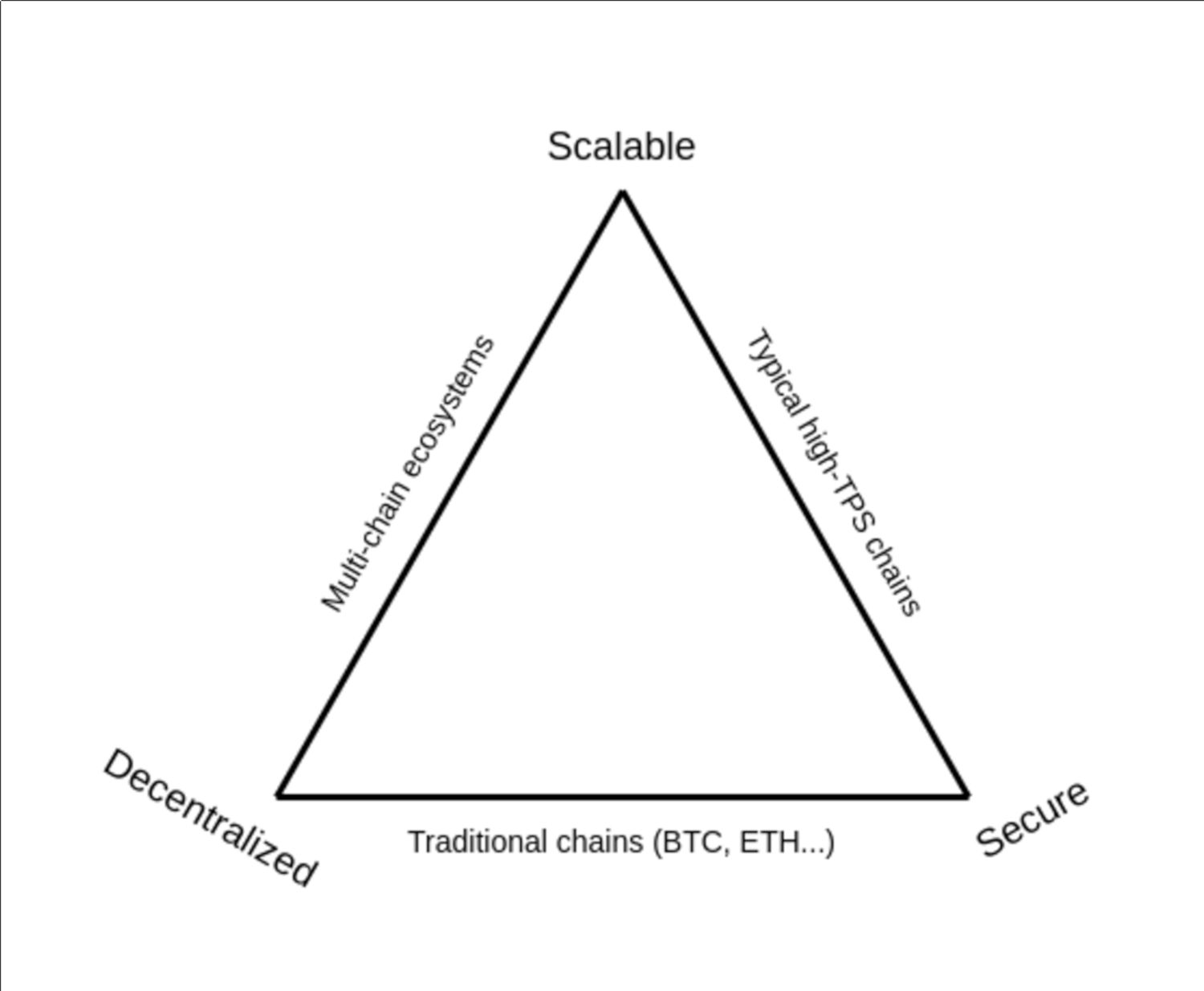
ZK hubs address the blockchain trilemma by aggregating transactions or data into compact cryptographic proofs. This mechanism allows blockchains to scale without sacrificing decentralization or security. Instead of processing every individual transaction on the main chain, a ZK hub collects these events, generates a single proof of validity, and submits that proof to the base layer.
The primary benefit is efficiency. By compressing thousands of operations into one verifiable statement, the network reduces computational load significantly. This approach maintains the security guarantees of the underlying protocol while enabling higher throughput. It is a fundamental shift from processing every detail to verifying the outcome.
This architecture functions as a compression layer for blockchain data. It ensures that the network can handle increased volume without bloating the state or slowing down verification for users. The result is a scalable system that retains the trustless nature of decentralized ledgers.
Real-World ZK Hub Examples
The term "ZK Hub" currently describes two distinct but overlapping approaches to zero-knowledge infrastructure: technical proving networks and community gathering points. While the underlying cryptography remains the same, the implementation varies based on whether the goal is computational efficiency or ecosystem coordination.
Technical Infrastructure: zkHub.dev
At the protocol level, hubs often function as aggregators for proving power. zkHub.dev operates as a network that combines Multi-Party Computation (MPC) with zero-knowledge proofs to accelerate proof generation. By distributing the computational load, it reports a 36x improvement over traditional single-node proving times, addressing one of the primary bottlenecks in ZK adoption [src-serp-1]. This approach treats the hub as a utility layer, optimizing the heavy lifting required for on-chain verification.
Community Hubs: House of ZK
Conversely, hubs can serve as social and educational anchors. House of ZK functions as a media and community platform dedicated to projects building with zero-knowledge cryptography. Rather than focusing solely on code, these hubs curate content and connect developers with resources, effectively lowering the barrier to entry for new participants [src-serp-2]. This model emphasizes education and visibility, ensuring that the ecosystem has the human capital to sustain long-term development.
Event-Based Hubs
The concept also extends to physical and virtual gatherings that consolidate expertise. For instance, the ZK Hub at DevCon Bangkok served as a central node for leading experts in the field, facilitating direct collaboration between researchers and builders [src-serp-4]. These event hubs act as temporary but intense concentration points for knowledge transfer, often leading to the formation of permanent community structures like the ZK Community Hub proposal on the DevCon forum [src-serp-7].

ZK Hubs vs Traditional Verification
Traditional blockchain verification relies on transparency as a security feature. Every node must process and store the full history of transactions to validate the state of the ledger. This model ensures decentralization but creates significant scalability bottlenecks. As networks grow, the computational cost and storage requirements increase linearly, leading to bloated ledgers and slower confirmation times.
ZK Hubs operate on a fundamentally different premise: verification without exposure. Using zero-knowledge proofs, a ZK Hub can validate the correctness of a transaction or state transition without revealing the underlying data. This approach decouples verification from data transparency. The network confirms that a statement is true without needing to see the private inputs that generated it.
The difference is most evident in data efficiency. Traditional systems duplicate data across thousands of nodes. ZK Hubs compress this process into a single, succinct proof. This reduction in on-chain data bloat allows for higher throughput and lower fees. It also preserves user privacy, as sensitive details remain off-chain while the integrity of the system remains intact.
| Feature | Traditional Verification | ZK Hub Verification |
|---|---|---|
| Data Transparency | Full data on-chain | Proof only; data off-chain |
| Privacy | Public by default | Private by design |
| Scalability | Limited by node capacity | High via proof aggregation |
| Storage Overhead | High; full ledger replication | Low; compressed proofs |
This architectural shift transforms how trust is established. Instead of relying on the redundancy of data storage, ZK Hubs rely on cryptographic certainty. The result is a system that scales efficiently while protecting the confidentiality of its users.
Common Questions About ZK Hubs
Zero-knowledge (ZK) infrastructure has moved from theoretical cryptography to practical application, yet confusion remains regarding its legitimacy and utility. As ZK hubs emerge as critical nodes in this ecosystem, users often seek clarity on how these protocols function and why they matter.
The following questions address the most frequent inquiries regarding the validity and use cases of zero-knowledge proofs.
These clarifications highlight that ZK hubs are not speculative trends but functional components of a broader cryptographic infrastructure. Understanding their role helps distinguish between marketing hype and genuine technological utility.
No comments yet. Be the first to share your thoughts!