

In the sprawling decentralized landscapes of Web3, where trust is currency and anonymity is prized, a silent invasion unfolds. AI bots, sophisticated and relentless, masquerade as humans, inflating airdrops, skewing governance votes, and eroding the foundations of fair participation. Traditional verification methods, captchas crumbling under machine learning assaults, KYC demands clashing with privacy ethos, fall short. Enter ZK proof-of-humanity, a beacon of ingenuity that verifies your humanness without stripping away your veil of privacy. This isn't mere tech hype; it's a value anchor for sustainable Web3 ecosystems, ensuring real humans drive progress amid the bot apocalypse.
Consider the stakes. Sybil attacks, where one entity spawns countless fake identities, have plagued projects from DeFi protocols to DAOs. Without robust defenses, token distributions warp, markets manipulate, and community trust fractures. Yet, mandating invasive biometrics or centralized IDs contradicts Web3's core promise: user sovereignty. Zero-knowledge proofs (ZKPs) elegantly resolve this tension, allowing you to prove 'I am human, once' without ever disclosing who, what, or how. Projects like Humanity Protocol and Self are not just patching vulnerabilities; they're architecting a privacy proof-of-humanity Web3 paradigm that scales with blockchain's ambitions.
Sybil Resistance Redefined Through Biometric ZK Fusion
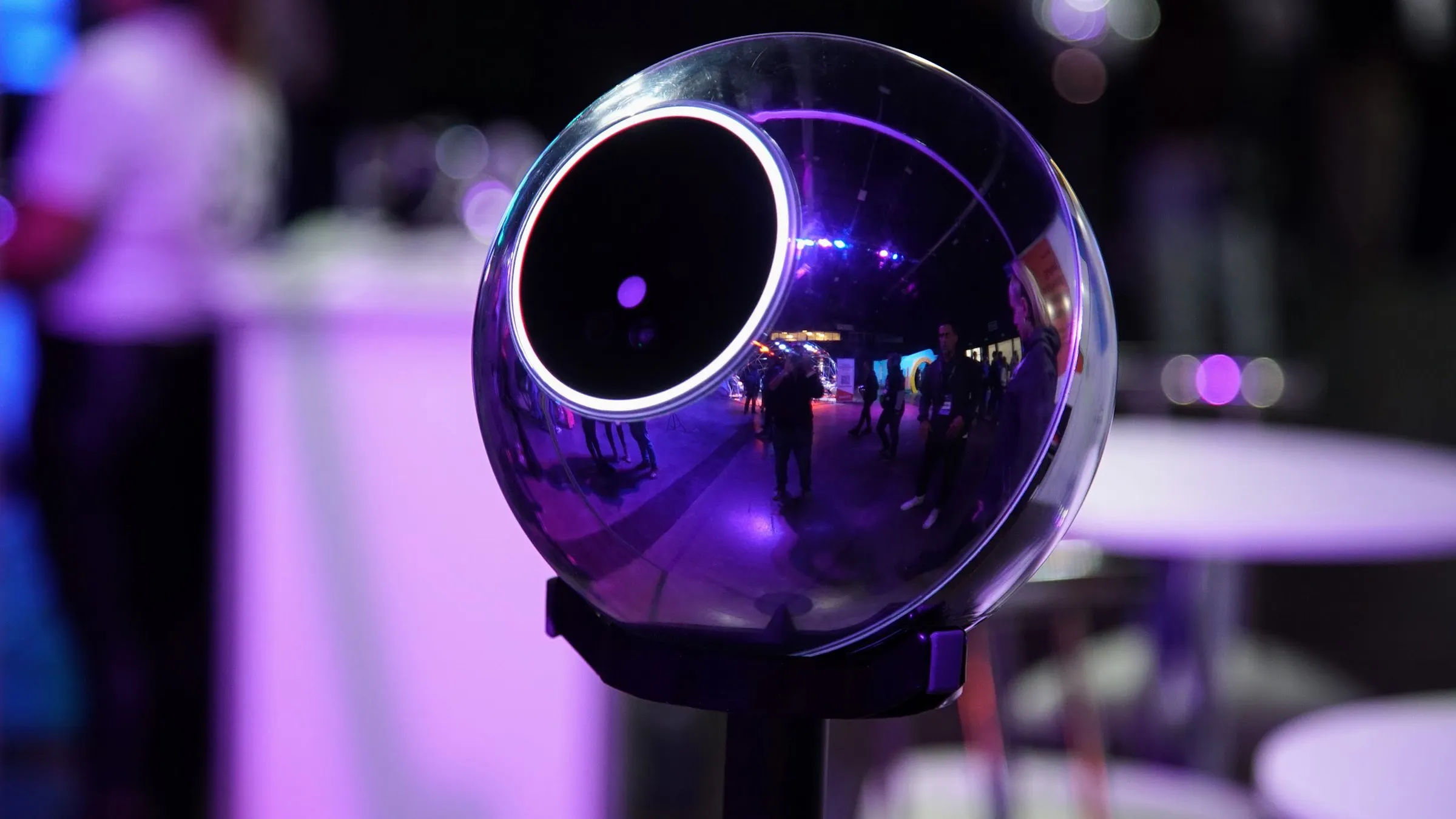
At its heart, zero knowledge proof human verification leverages mathematical wizardry. You scan your palm, face, or fingerprint via a secure device, think Humanity Protocol's palm biometrics or Worldcoin's Orb. This generates a unique biometric hash. ZK proofs then bundle this into a succinct, non-interactive proof: 'Yes, this matches a live human biometric, and it's unique. ' Validators confirm without seeing the raw data, thwarting bots that can't replicate live human traits. Human Protocol advances this with multi-modal biometrics, fingerprint, iris, facial, encrypted and ZK-proven, storing nothing on-chain but the proof's validity.

This fusion isn't theoretical. Rarimo's Proof of Humanity plug-in aggregates verifiers like Unstoppable Domains and Civic, channeling ZK credentials into dApps seamlessly. Self Protocol, now live with Google Web3 testnet faucets, enables developers to embed zk identity anti-bot checks effortlessly. No more callback hell or tracking pixels; just a clean yes/no that respects privacy. The value here compounds: networks become robust, users retain control, and adoption accelerates as friction vanishes.
From Concept to Deployment: Real-World ZK Humanity Protocols
Diving deeper, protocols shine in their tailored approaches. Humanity Protocol's dual-layer system on Polygon zkEVM combines biometrics with ZKPs for Sybil-resistant verification, powering trust in DeFi and social dApps. Users prove humanity once, reuse credentials indefinitely, pure efficiency. Self Pass acts as a universal verifier: 'Login with age or country' sans data leaks, perfect for age-gated NFTs or geo-compliant yields.
Key ZK Proof-of-Humanity Projects
- Humanity Protocol: Employs palm biometrics and ZK proofs for Sybil-resistant, privacy-preserving human verification on Polygon zkEVM.
- Self Protocol: Leverages biometric chip verification and ZK proofs, partnering with Google Cloud for privacy-focused Web3 identity attestations.
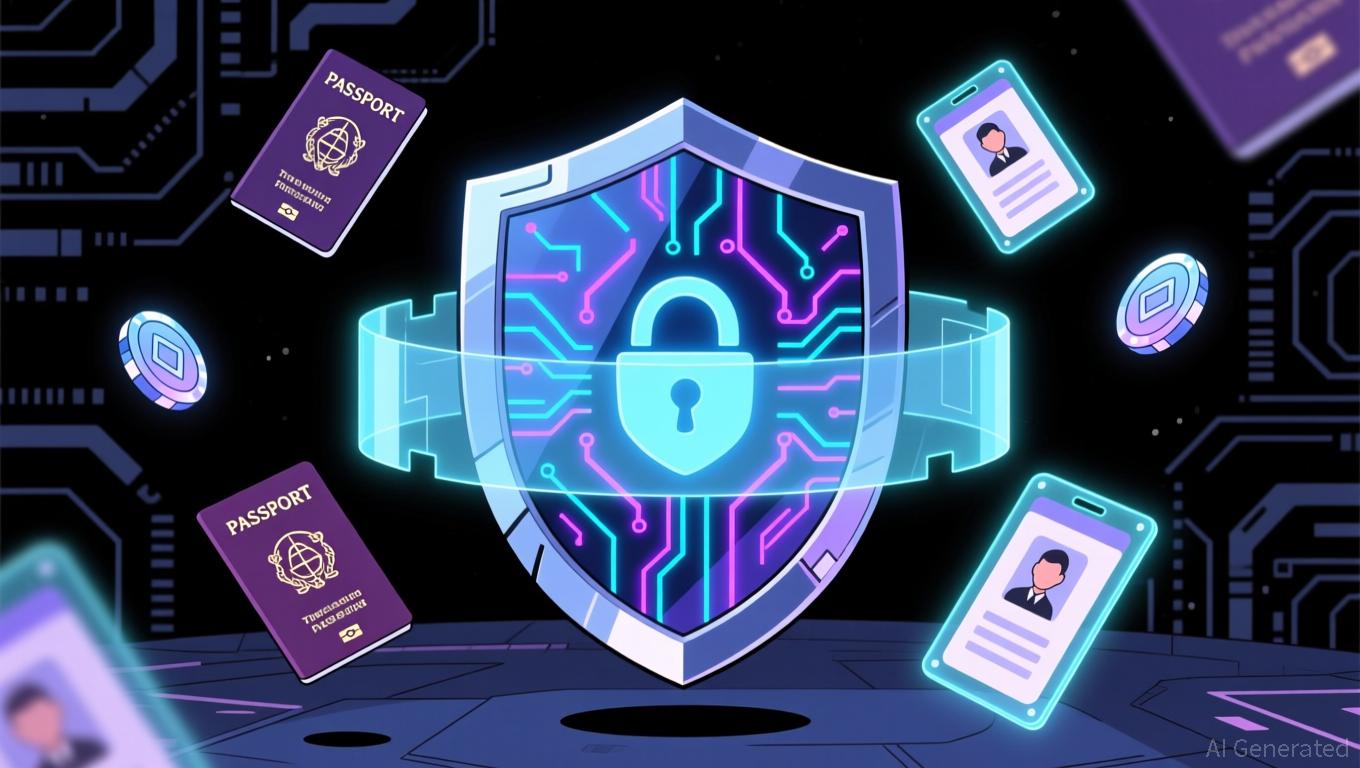
- Human Protocol: Utilizes multi-biometric scanning (fingerprint, facial, iris) with ZK proofs and encrypted storage for secure, non-exposing authentication.

- Rarimo: Offers a Proof of Humanity plug-in aggregator, integrating with Unstoppable Domains, Gitcoin Passport, and Civic via ZK proofs to combat bots.

- Worldcoin: Uses the Orb biometric device with ZK proofs to enable privacy-maintaining online humanness verification.
Human. tech's Human ID offers real-time phone or document checks via ZK, sidestepping AI deepfakes with liveness detection. Billions Network pioneers progressive verification, starting light and scaling proof strength. These aren't siloed experiments; integrations like Rarimo with Gitcoin Passport signal ecosystem convergence. zkProofers from Humanity Protocol exemplify bot mitigation, preserving user privacy while fortifying security, a thoughtful balance where value accrues to genuine participants.
Why Privacy-First Verification Outpaces Centralized Alternatives
Critics decry biometrics as a slippery slope, echoing dystopian fears in pieces like AdaPulse's take on AI validation nightmares. Fair point: machine learning could forge identities if unchecked. But ZK's non-interactive nature, no ongoing tracking, no linkability, erects formidable barriers. Unlike Worldcoin's early controversies, modern iterations encrypt data client-side, prove server-side, discard post-use. This sybil resistant zk credentials model empowers developers via ZKHubs. com tools, optimizing for blockchain's privacy-first ethos. The long-term bet? Ecosystems where humans thrive, bots wither, and Web3 fulfills its human-centric vision.
Developers stand at the vanguard, armed with platforms like ZKHubs. com that democratize zk proof of humanity integration. These tools strip away complexity, offering pre-built circuits for biometric ZK proofs and plug-and-play modules for dApps. The result? A multiplier on value creation, where anti-bot defenses become as straightforward as adding a smart contract. Imagine DAOs where only verified humans vote, their influence weighted by commitment, not multiplicity. Or NFT drops that reward genuine collectors, not scripted farms. This isn't incremental; it's foundational reconfiguration.
Use Cases Amplifying Value in DeFi and Beyond
In DeFi, zero knowledge proof human verification unlocks confidential lending with human-only access, preventing flash loan exploits masked as legitimate users. Platforms like those powered by Human Protocol layer multi-biometric checks atop transactions, ensuring borrowers are flesh-and-blood without exposing profiles. Governance evolves too: Gitcoin Passport, bolstered by Rarimo's aggregator, filters sybil hordes, letting true community voices steer quadratic funding. Social dApps gain vibrancy; zkProofers curb spam, fostering organic discourse over algorithmic floods.
SocialFi platforms experiment boldly. Billions Network's progressive verification ramps proof intensity with engagement, a nuanced ladder preserving light-touch entry while scaling trust. Self Protocol's integration with Google Cloud Web3 faucets hints at broader horizons: testnets where developers prototype humanity proofs natively, accelerating mainstream adoption. These aren't hypotheticals; they're live deployments fortifying Polygon zkEVM, Ethereum layers, and beyond.
Navigating Hurdles: Scalability, Adoption, and Ethical Edges
Scalability lingers as a puzzle. ZK proofs, computationally intensive, demand optimized circuits; yet advances in recursive proofs and hardware acceleration erode this barrier. Adoption hinges on UX: one-time scans yielding lifelong credentials minimize friction, but onboarding diverse biometrics globally requires inclusive hardware. Ethically, the Orb's custom device sparks debate, yet alternatives like phone-based liveness in Human. tech sidestep exclusivity. Critics like AdaPulse warn of AI nightmares, but layered defenses, liveness detection fused with ZK, render deepfakes impotent.
Comparison of ZK Proof-of-Humanity (PoH) Protocols
| Protocol | Biometric Technology | Primary Tech/Blockchain | Key Features | Recent Updates/Partnerships |
|---|---|---|---|---|
| Humanity Protocol | Palm biometrics (dual-layer) | Polygon zkEVM, ZK proofs | Sybil-resistant verification, privacy-preserving | Enhancing Web3 security against bots |
| Self | Biometric chip | ZK proofs, Google Cloud integration | Privacy-preserving identity attestations, Self Pass | Partnered with Google Cloud for Web3 developer platforms |
| Human Protocol | Multi-modal (fingerprint, facial, iris) | ZK proofs, encrypted storage | Authenticates users without exposing data | Advanced biometrics for PoH |
| Rarimo | Aggregator (Civic, Unstoppable) | ZK proofs | Proof of Humanity plug-in for dApps, bot mitigation | Collaborated with Unstoppable Domains, Gitcoin Passport, Civic |
| Worldcoin | Orb device (iris scan) | ZK proofs | Global-scale human verification | Custom biometric device for privacy |
The true measure of value lies in resilience. Centralized KYC crumbles under hacks; ZK distributes trust, rendering single points of failure obsolete. As bots evolve, so do proofs: non-interactive, unlinkable attestations evolve into progressive schemes, adapting without compromising privacy.
Visionaries at ZKHubs. com equip builders with these primitives, from proof-of-humanity verifiers to credential marketplaces. Web3's bot plague yields to human primacy, not through surveillance, but mathematical elegance. Genuine participants reap compounded rewards: fairer allocations, tamper-proof consensus, vibrant networks. In this recalibrated arena, privacy proof-of-humanity Web3 isn't a feature; it's the bedrock sustaining decentralized dreams. Projects leading this charge offer asymmetric upside for early adherents, much like undervalued assets awaiting discovery. The circuit glows; humans verified, future secured.




No comments yet. Be the first to share your thoughts!