

In the wild world of Web3, where bots and sybils run rampant, proving you're a real human without handing over your life's data is a game-changer. Enter ZK proofs for proof of humanity: these cryptographic wizards let you verify your uniqueness trustlessly, all while keeping your personal info locked away. No more trading privacy for access; it's verification on your terms.
We've all seen the mess: fake accounts gaming airdrops, inflating DAOs, or skewing governance. Traditional KYC? It's a privacy nightmare, storing sensitive biometrics on leaky databases. Zero knowledge proof humanity verification flips the script. You prove a statement - like 'I'm a unique human' - without revealing the underlying evidence. The verifier walks away convinced, but clueless about the details. It's like showing a locked box proves what's inside without opening it.
Breaking Down the Magic of ZKPs
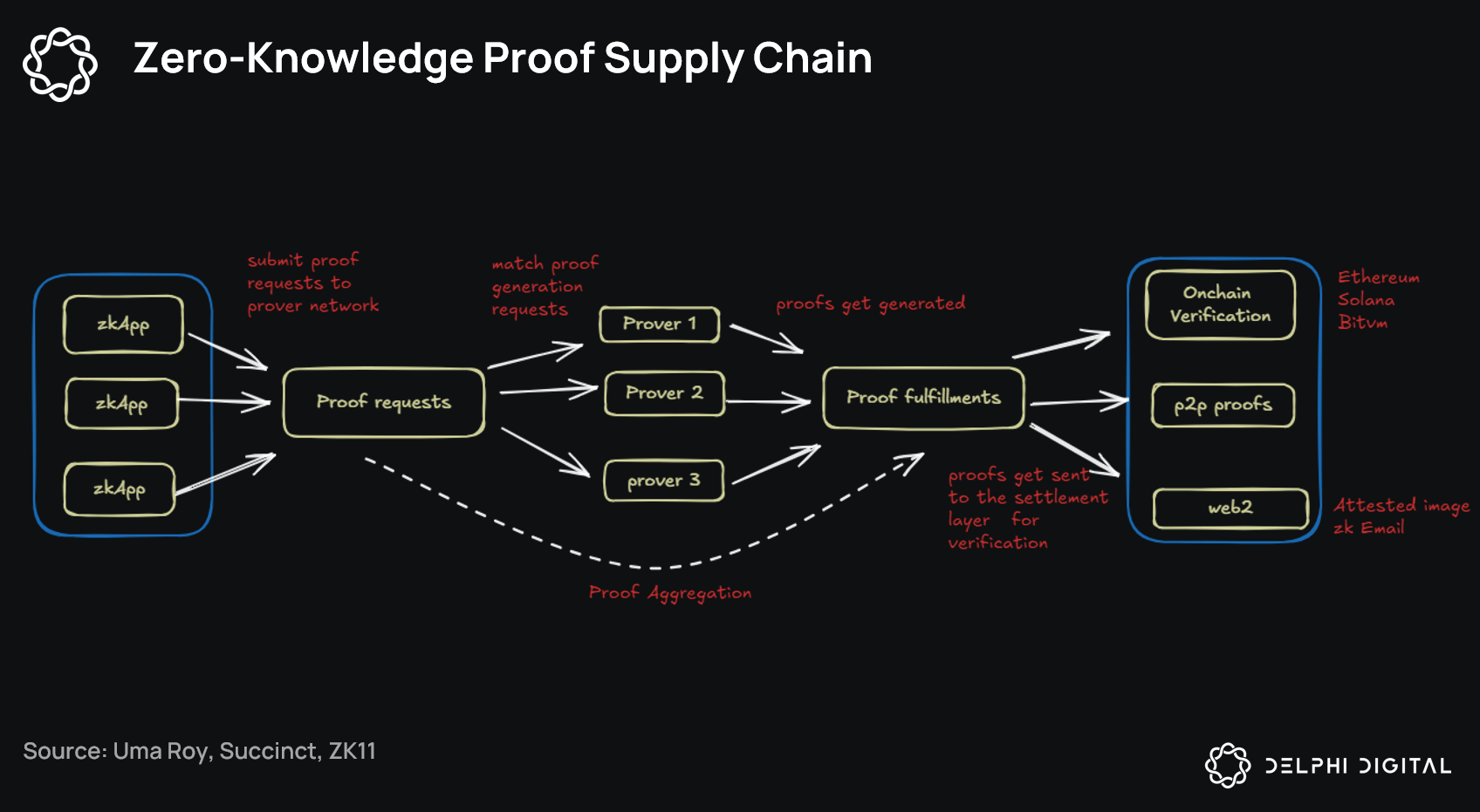
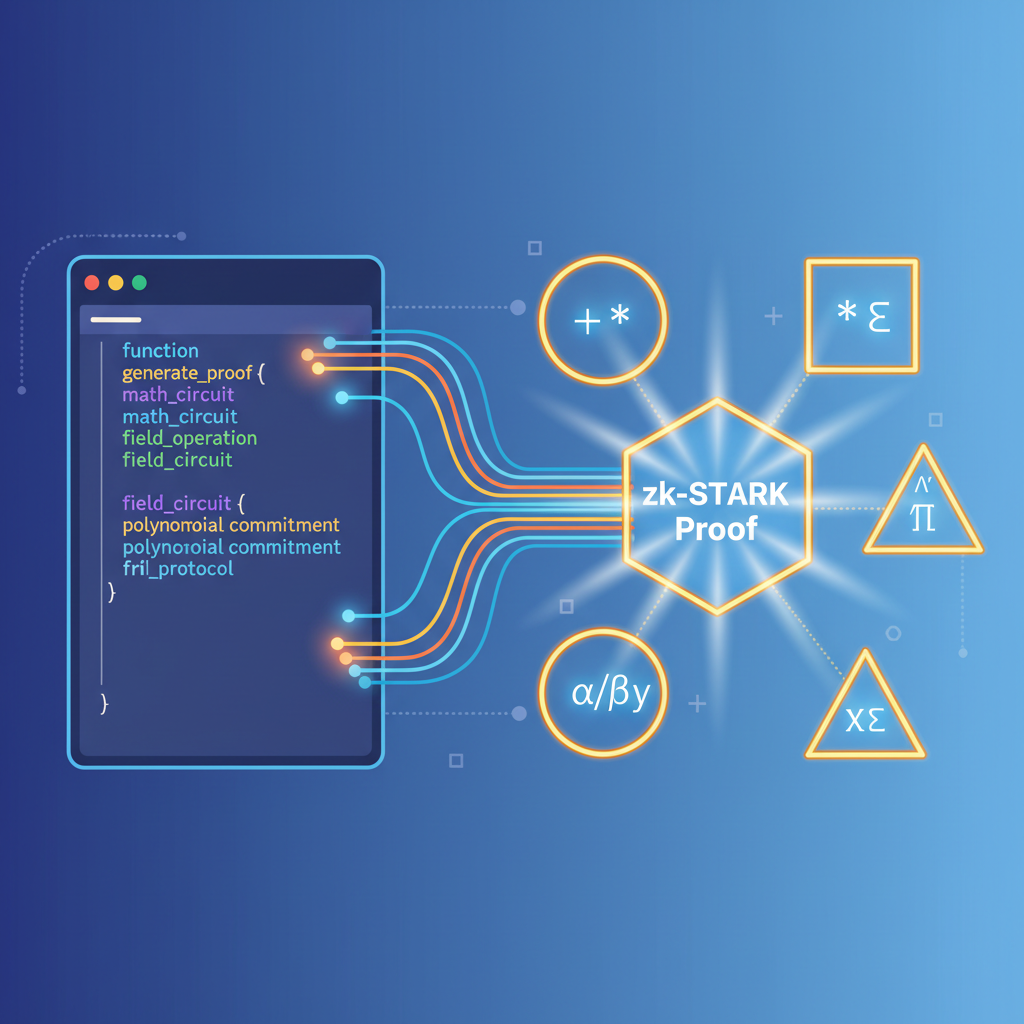
At its core, a zero-knowledge proof involves a prover and a verifier. The prover crafts a mathematical proof that a fact is true - say, your biometric scan matches a unique human template. Using tools like zk-SNARKs or zk-STARKs, this proof gets compressed into something tiny and verifiable on-chain. No raw iris code or palm print ever leaves your device. Chainlink nails it: this unlocks zk identity proof of humanity where you control what gets shared.
Key Benefits of ZK Humanity Proofs
- Completeness: Honest provers (real humans) can always convince verifiers of their uniqueness, like in Humanity Protocol's palm scans—no false negatives for legit users.
- Soundness: Cheaters can't fake proofs; prevents Sybil attacks, ensuring one human = one identity as in World ID's Orb iris verification.
- Zero-Knowledge Property: Verifiers learn nothing beyond 'human confirmed'—your biometrics stay private, no data exposure.
- Scalability for Web3: Compact proofs verify on-chain efficiently, enabling airdrops and governance without bloating blockchains.
Why does this matter practically? In DeFi or social tokens, one-human-one-vote becomes enforceable without centralized gatekeepers. Projects compress massive computations into proofs that settle in seconds, dodging the blockchain bloat. I've dug into enough protocols to say: this isn't hype; it's deployable now.
Biometrics Meet Crypto: The Proof-of-Humanity Blueprint
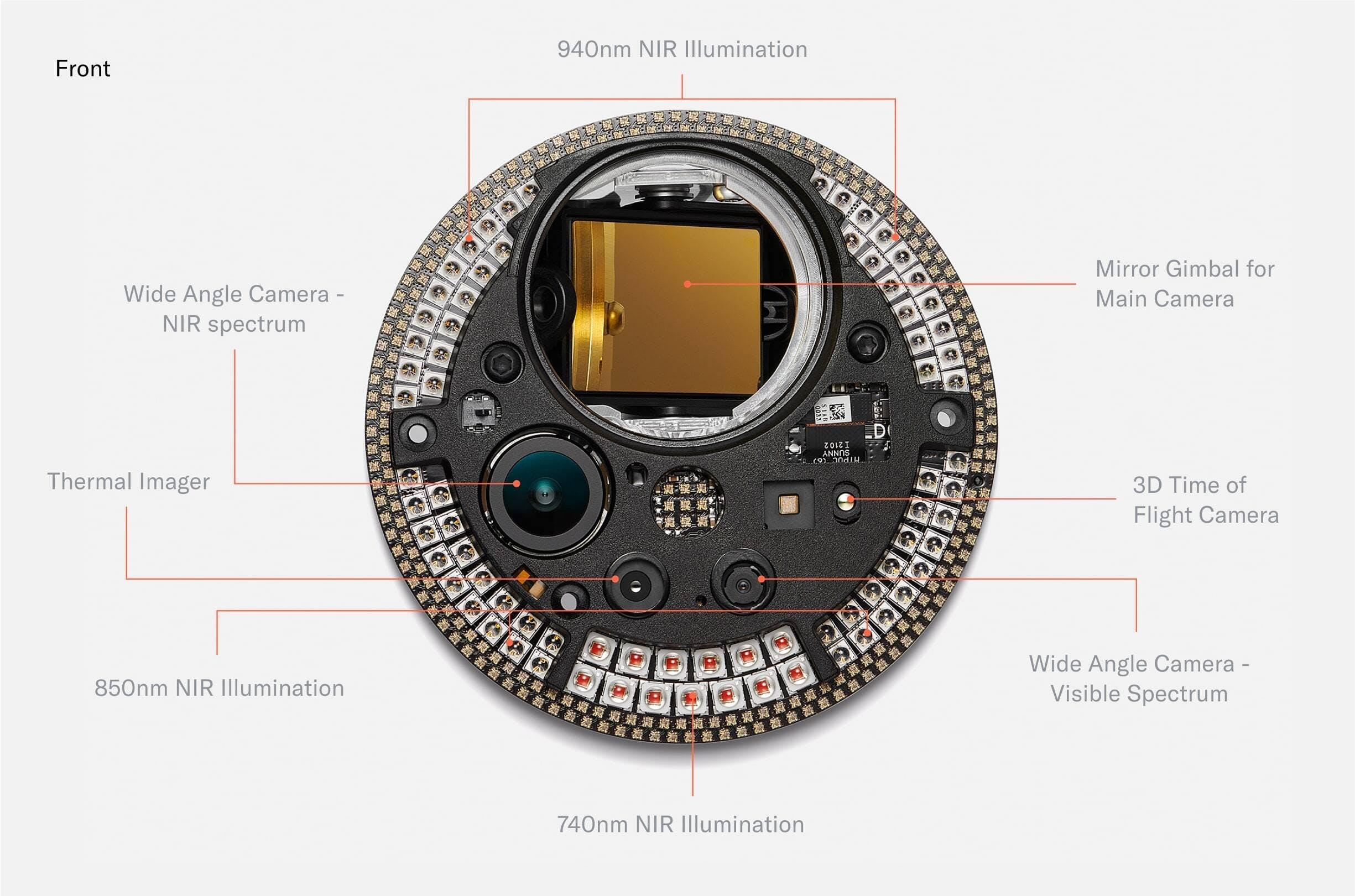
Proof-of-personhood leans on two pillars: biometrics for uniqueness and ZKPs for privacy. Scan your palm or iris locally, hash it into a commitment, then generate a proof attesting 'this matches a live human scan, not a replay or AI fake. ' Humanity Protocol does this with palm tech; no creepy vein mapping stored forever. World ID uses Orbs for iris scans, spitting out ZKPs that confirm you're not a duplicate without exposing the code.
ZKPs use complex mathematical algorithms to create a digital 'proof' that the verifier can trust without needing to see the actual underlying data. - Galaxy. com
Here's the practical edge: these systems resist collusion. Even if a verifier goes rogue, they learn zilch beyond the proof's validity. Scale it to billions? ZKML even verifies ML models on-chain for anti-fraud checks, ensuring scans aren't doctored.
Why Trustless Beats Trusted Every Time
Centralized ID providers? Hackable honeypots. Privacy preserving proof of humanity distributes trust via math. Wilson Center calls it the fix for secure digital identity. In practice, onboard to a DAO: prove humanity once, reuse the credential forever. No data brokers profiting off your scan. Opinion: we're shifting from 'trust me' to 'verify me, ' and ZKPs are the accelerator pedal.
Real-world traction builds fast. Dock Labs highlights how ZKPs verify info sans revelation, perfect for Web3 wallets demanding human-only access. Chainalysis echoes: multiple parties confirm truths without extra leaks.
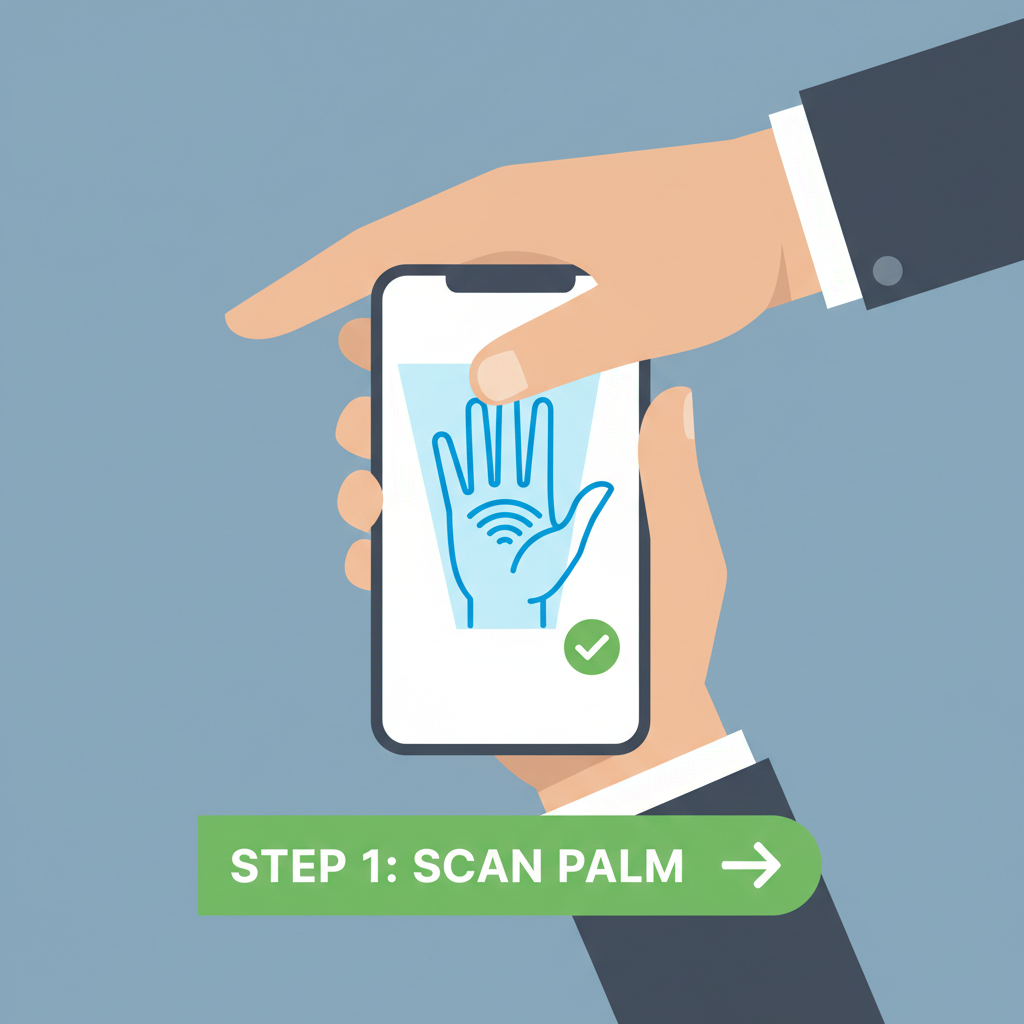
Imagine deploying this in your next project: users scan their palm once on their phone, generate a trustless zk humanity proof, and boom - they're verified for governance votes or exclusive drops. No servers hoarding biometrics, no risk of mass leaks. That's the deployable reality today.
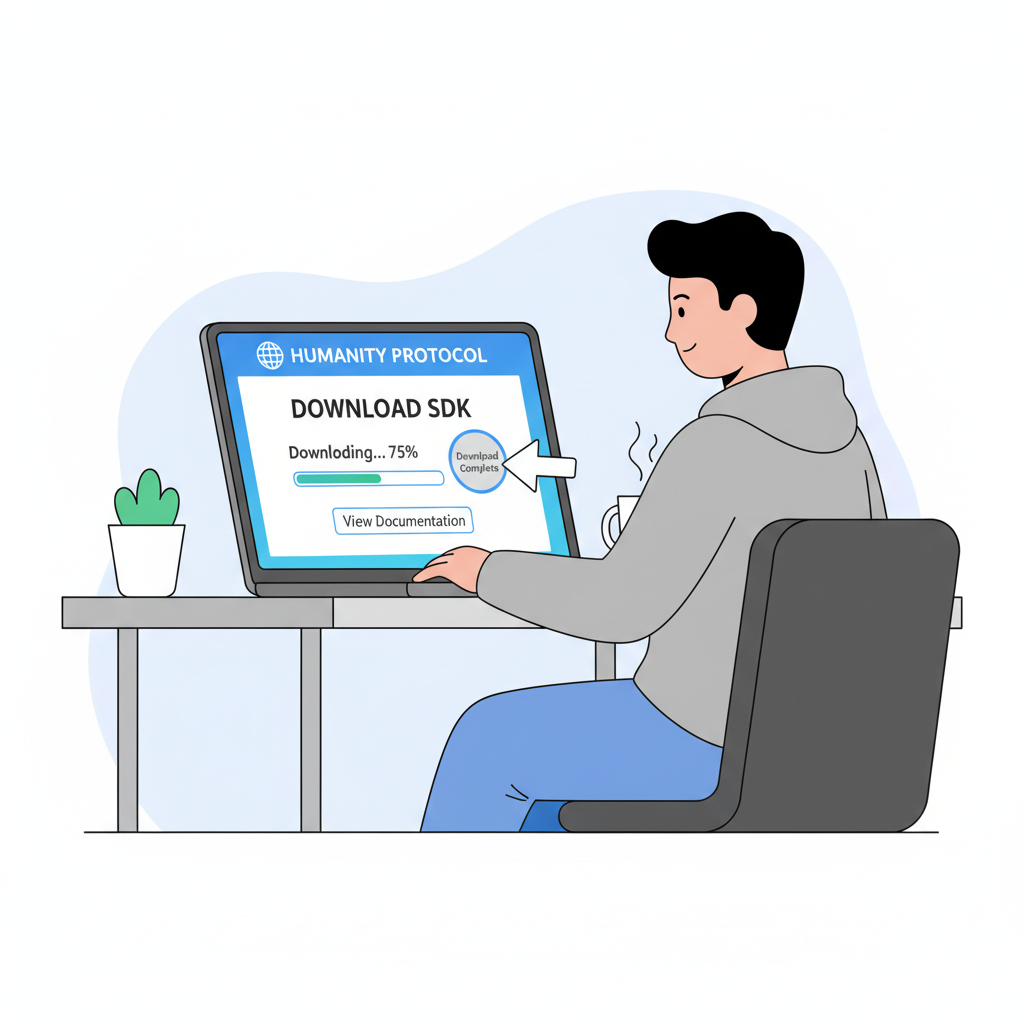
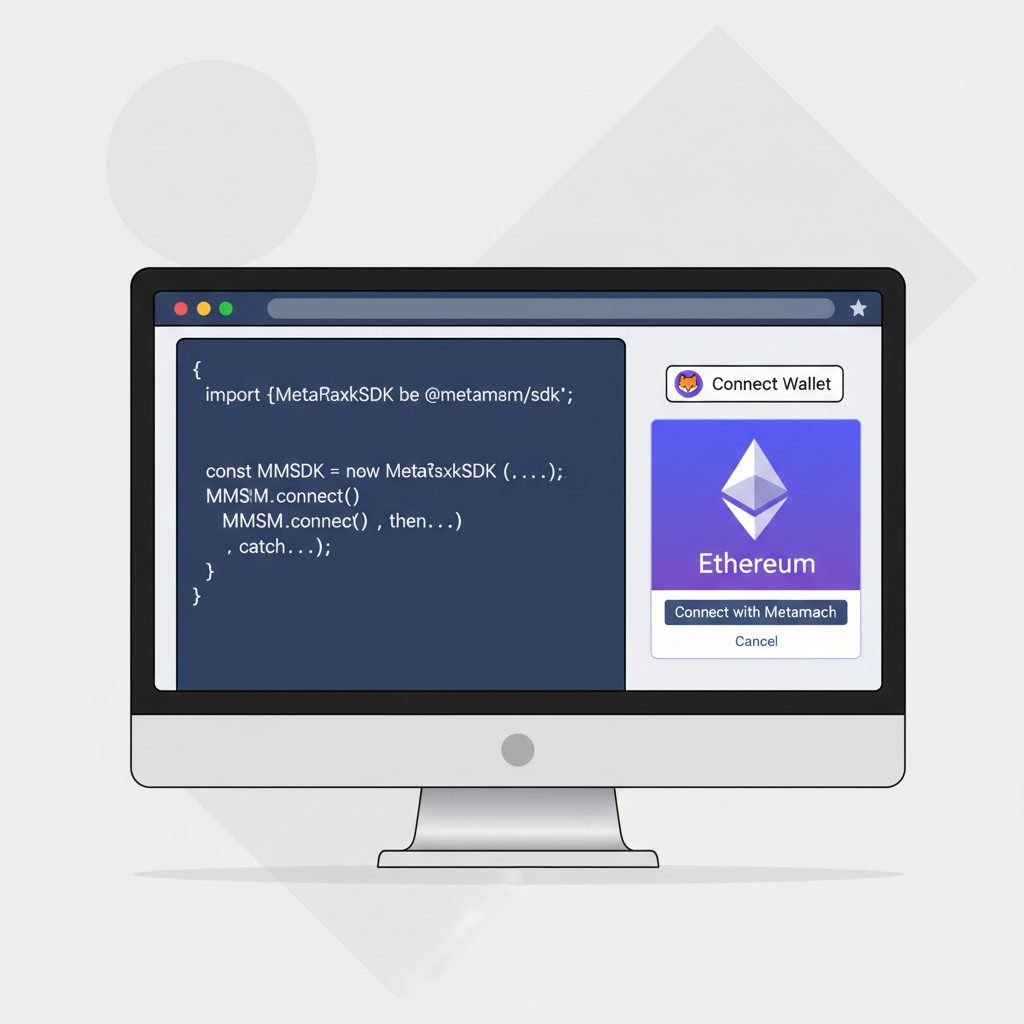
Ship ZK Proofs for Privacy-First Proof-of-Humanity in 6 Steps
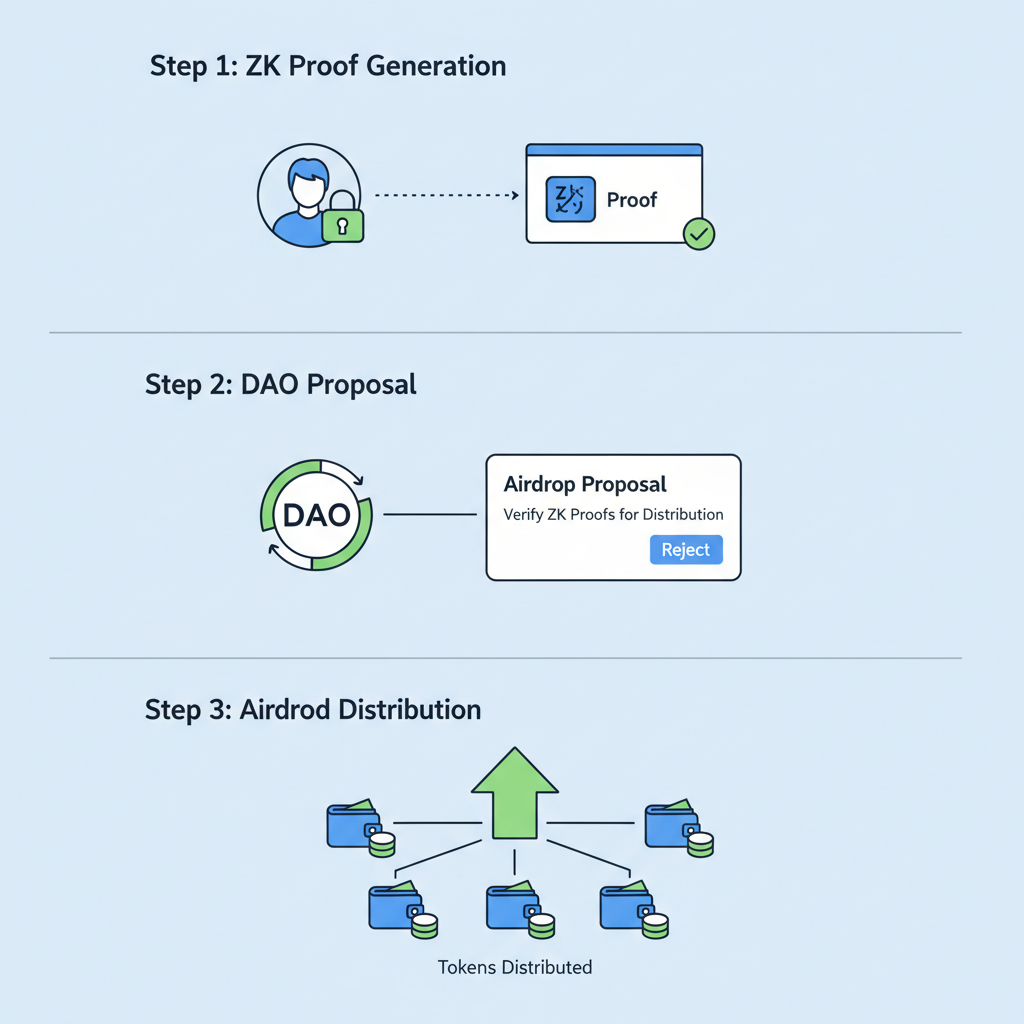
Once live, it curbs sybil attacks dead. Airdrops distribute fairly, DAOs reflect true community sentiment. Pair it with ZKML for liveness checks - proving not just uniqueness, but real-time humanity against deepfakes. Kudelski Security spots the potential: verifiable ML models compressed into proofs for decentralized trust.
Friction points exist, sure. Proof generation chews compute on low-end devices, but recursive proofs and mobile optimizations are closing that gap quick. Battery drain? Edge computing handles it. Bottom line: the trade-offs pale against centralized alternatives' glaring flaws.
Edge Cases and Battle-Tested Resilience
Collusion resistance sets zero knowledge proof humanity verification apart. Even compromised nodes can't reconstruct your data; soundness guarantees hold. Replay attacks? Liveness proofs nix them. Worldcoin's Orb rollout proves it at scale - millions verified, zero breaches reported. Humanity Protocol's palm approach sidesteps iris privacy gripes, feeling less invasive.
Regulatory headwinds? Privacy-first design dodges GDPR headaches by minimizing data altogether. Opinion: regulators will catch up, mandating ZKPs over invasive KYC. Web3 wins by leading, not lagging.
Comparison of Proof-of-Humanity (PoH) Protocols
| Protocol | Privacy (Pros/Cons) | Cost (Pros/Cons) | Scalability (Pros/Cons) |
|---|---|---|---|
| Humanity Protocol (Palm ZKP) | ✅ Pros: Biometric uniqueness with ZKP, no personal data exposure or storage ❌ Cons: Relies on secure palm scan processing | ✅ Pros: Low-cost smartphone app-based ❌ Cons: Potential minor setup fees | ✅ Pros: Highly scalable, accessible via mobile devices worldwide ❌ Cons: Dependent on user adoption of app |
| World ID (Iris Orb ZKP) | ✅ Pros: Strong iris uniqueness via ZKP, privacy-preserving verification ❌ Cons: Centralized Orb devices raise some trust concerns | ✅ Pros: One-time Orb scan ❌ Cons: High hardware cost for Orbs (~$100+ per device deployment) | ✅ Pros: Fast verification ❌ Cons: Limited by Orb availability and distribution |
| Gitcoin Passport (ZK Signals) | ✅ Pros: No biometrics, aggregates decentralized signals with ZK proofs ❌ Cons: Less unique than biometrics, potential signal farming | ✅ Pros: Free, software-only ❌ Cons: Ongoing credential collection effort | ✅ Pros: Fully decentralized and on-chain, unlimited scale ❌ Cons: Slower verification due to signal aggregation |
Beyond Sybils, this tech fortifies DeFi against wash trading, social apps against brigading. Picture universal basic income on-chain: one human, one stipend, verified privately. That's not sci-fi; prototypes spin up today.
The Road Ahead for Privacy Warriors
ZK identity evolves fast. Hybrid systems blend biometrics with social graphs for higher assurance, all shrouded in zero-knowledge. Ethereum's Dencun upgrade juices proof verification costs down further. We're eyeing cross-chain credentials too - prove humanity once, flex anywhere.
I've watched identity tech stumble for years; zk identity proof of humanity finally nails the balance of usability and ironclad privacy. Early adopters like Optimism's retroactive rewards already bake it in. Jump aboard: build with ZKHubs tools, test on testnets, scale to mainnet. The bot apocalypse ends here, one proof at a time.
Protocols like these don't just verify; they empower. You hold the keys to your humanity proof, revocable anytime. No more begging platforms for access. In Web3's trustless ethos, this is the crown jewel.


No comments yet. Be the first to share your thoughts!