
The zk hub limits to account for
ZK hubs function as specialized proving grounds where zero-knowledge computations are aggregated and verified before reaching the main chain. This architecture addresses the blockchain scalability trilemma by offloading heavy cryptographic work from the base layer. Instead of every node processing complex proofs, a hub handles the heavy lifting, allowing the mainnet to remain lightweight and fast.
The core constraint lies in the proving time. Generating zero-knowledge proofs is computationally expensive and slow. Current systems struggle to keep up with high transaction volumes, creating a bottleneck. ZK hubs address this by distributing the proving load across multiple nodes, often using techniques like multi-party computation (MPC) to accelerate the process. Some implementations claim up to a 36x improvement over traditional proving times, turning an hours-long process into minutes.
This shift changes how we view blockchain infrastructure. It moves the focus from raw computational power to efficient proof aggregation. By centralizing the proving task in a hub, the network can scale horizontally. However, this introduces new trust assumptions. Users must trust the hub operators to generate valid proofs honestly. The security model shifts from decentralized verification to centralized proving with decentralized settlement.
Zk hubs choices that change the plan
Choosing a zero-knowledge hub requires weighing speed against cost and security. No single platform solves every problem, so you must evaluate how each tradeoff aligns with your specific application needs.
Proving Speed vs. Cost
Some hubs prioritize raw speed, offering up to 36x faster proof generation by combining MPC with zk-proofs, which is ideal for high-frequency trading or real-time gaming. Others focus on minimizing computational overhead, making them cheaper for batch processing but slower for individual transactions. If your app demands instant finality, the extra cost of faster proving may be justified.
Security Model
The security of a ZK hub often hinges on its trusted setup. Some protocols require a multi-party computation ceremony, which adds complexity but reduces single points of failure. Others rely on simpler trusted setups that are faster to deploy but carry higher long-term risk if the keys are compromised. Evaluate whether the hub’s security assumptions match your threat model.
Developer Experience
A hub’s ease of use directly impacts your time-to-market. Some platforms offer intuitive SDKs and comprehensive documentation, allowing developers to integrate ZK proofs in hours. Others require deep cryptographic knowledge and custom tooling, slowing development but offering greater flexibility. Consider your team’s expertise and the maintenance burden of each option.
Community and Ecosystem
The strength of a hub’s community often determines its longevity. Active hubs like those showcased at events like ZK Hub Bangkok foster innovation through regular meetups, workshops, and live interviews. A vibrant ecosystem means more libraries, better support, and faster bug fixes. Check if the hub has an active presence on forums and social channels.
| Feature | Proving Speed | Cost | Security Model | Dev Experience |
|---|---|---|---|---|
| MPC-Based Hub | Fast (36x faster) | Higher | Multi-party trusted setup | Complex |
| Batch-Optimized Hub | Slower | Lower | Simpler trusted setup | Moderate |
| Community-Driven Hub | Variable | Variable | Community audited | Varies by SDK |
"Will ZK be bigger than blockchain? The answer lies in its ability to scale privacy, not just throughput."— ZK Hub Main Stage Panel
Choosing the right ZK hub strategy
Zero-knowledge infrastructure is shifting from experimental prototypes to production-grade hubs. The trilemma tradeoff is no longer abstract; it is a matter of selecting the right proving architecture for your specific throughput needs. You can build your own proving stack, leverage a managed service, or integrate an existing hub. Each path carries distinct latency, cost, and sovereignty implications.
The decision framework below walks you through the practical steps to evaluate these options. Focus on proof generation time and verifier overhead as your primary metrics. These factors determine whether your hub can handle real-world transaction volumes without becoming a bottleneck.

Start by estimating your daily transaction volume and average proof size. A hub processing 100 transactions per second requires a fundamentally different architecture than one handling 10,000. If your use case is high-frequency trading or gaming, latency is your primary constraint. For batch settlement or archival storage, throughput and cost per proof matter more.
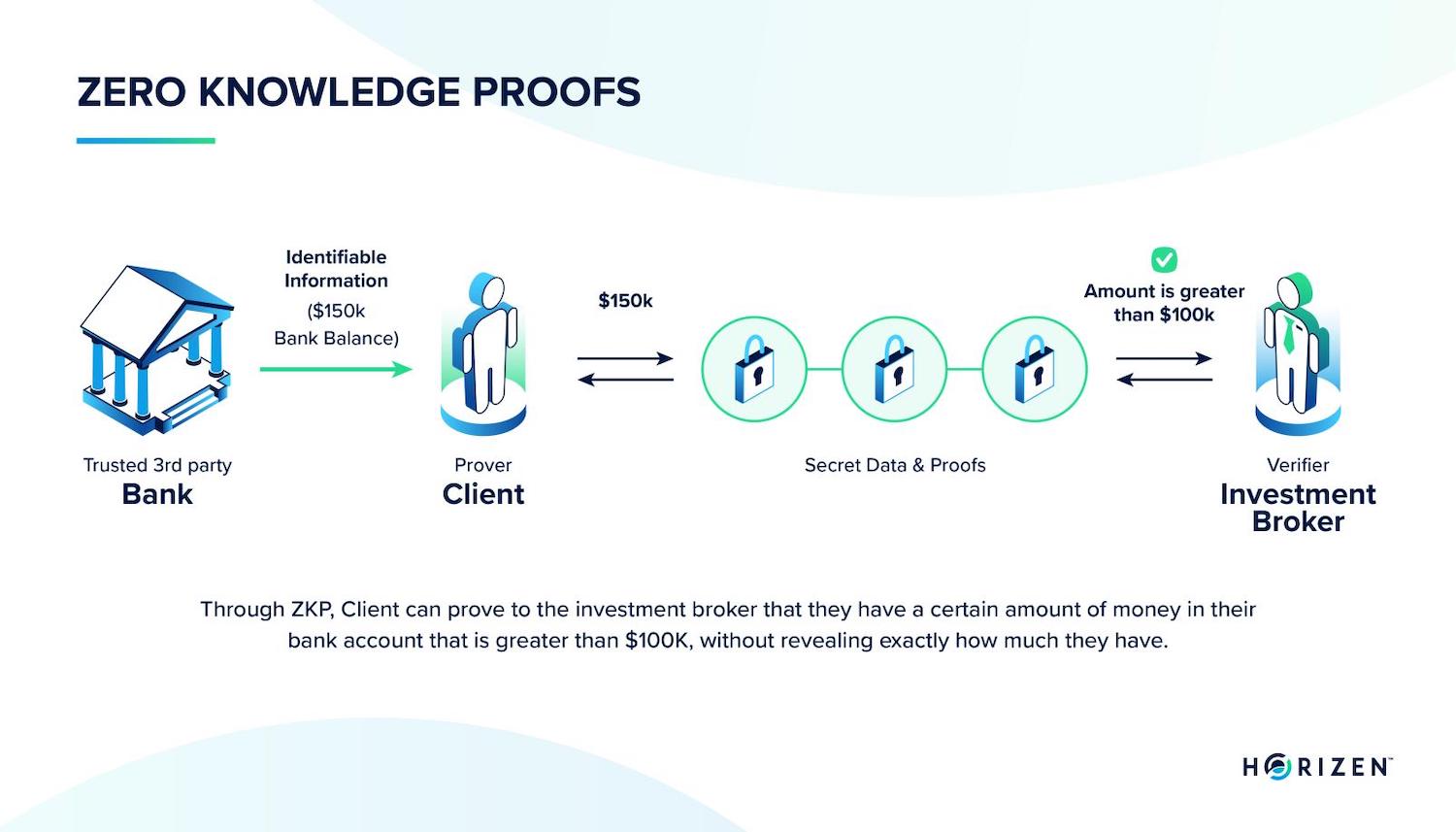
Compare MPC-based systems against pure zk-proof generators. Services like zkHub combine multi-party computation with zero-knowledge proofs to achieve significant speedups, reportedly up to 36x faster than traditional methods. This hybrid approach reduces the time-to-proof, which is critical for user-facing applications. Determine if your team can manage the complexity of a pure zk-stack or if a managed service offers better ROI.

A fast prover is useless if the verifier cannot efficiently validate the proof. Check if your target chain or L2 supports the specific proof type (e.g., Groth16, Plonk, or STARKs) your hub generates. Some hubs specialize in specific proof systems that may not be universally compatible. Ensure your chosen hub’s output can be verified within your existing infrastructure without requiring major contract updates.
Look beyond the immediate cost per proof. Consider the infrastructure costs for running proving nodes, the engineering overhead for maintenance, and the potential for scale. Managed hubs often charge a premium for convenience but eliminate the need for dedicated hardware. If you have the engineering capacity, building in-house may be cheaper at scale, but it requires significant upfront investment in talent and hardware.
By following this framework, you can move beyond theoretical comparisons and select a ZK hub that aligns with your technical constraints and business goals. The right choice depends on balancing speed, cost, and compatibility rather than chasing the fastest proof generator in isolation.
Spotting Weak ZK Hub Claims
The zero-knowledge landscape is crowded with infrastructure projects promising to solve the scalability trilemma, but not all ZK hubs deliver on their technical specs. In 2026, the gap between marketing language and actual proof generation performance has become the primary filter for serious adoption. Many platforms claim "lightning-fast" verification, yet fail to disclose the underlying computational costs or the specific zk-SNARKs variants they utilize.
When evaluating a ZK hub, look for concrete benchmarks rather than vague superlatives. For instance, zkHub highlights a 36x improvement in proof generation time by combining MPC with zk-proofs, a metric that offers a tangible baseline for comparison. Without such specific data points, claims of "seamless" integration often mask significant latency issues that only surface under heavy load.
The community consensus, frequently discussed on platforms like Reddit and specialized forums, emphasizes verifying the trust assumptions behind each hub. A hub might be fast, but if it requires a trusted setup or relies on opaque MPC protocols, it may not suit decentralized applications demanding full transparency. Always cross-reference advertised speeds with independent audits and real-world deployment reports before committing resources.
Zk hubs in 2026: common: what to check next
As zero-knowledge infrastructure matures, practical concerns about adoption and performance take center stage. Here are the most frequent questions regarding ZK hubs and their role in solving blockchain scalability.
How do ZK hubs improve proof generation speed?
ZK hubs leverage advanced proving systems, such as the combination of multi-party computation (MPC) and zero-knowledge proofs, to drastically reduce computation time. Platforms like zkHub report up to a 36x improvement in proving times compared to traditional methods, making real-time verification feasible for high-throughput applications.
Can ZK technology eventually surpass blockchain in impact?
Many experts argue that zero-knowledge proofs will become the underlying layer for digital trust, potentially exceeding the impact of blockchain itself. By enabling privacy and scalability without relying on public ledgers for every transaction, ZK technology offers a more efficient foundation for decentralized systems.
What is the role of ZK hubs in the developer ecosystem?
ZK hubs serve as central gathering points for developers, researchers, and communities focused on applied zero-knowledge technology. They facilitate collaboration through workshops, panels, and shared resources, helping to standardize protocols and accelerate the integration of ZK tools into mainstream dApps.
Are ZK hubs secure enough for enterprise use?
Yes, ZK hubs are designed with enterprise-grade security in mind. By using cryptographic proofs that verify computations without revealing underlying data, they offer a high level of privacy and integrity. This makes them suitable for sensitive applications in finance, healthcare, and identity management.
No comments yet. Be the first to share your thoughts!