
Why Zero-Knowledge Proofs Matter for Digital Identity
In 2026, zero-knowledge proofs (ZKPs) are shifting from niche cryptographic experiments to standard infrastructure for digital identity and compliance. This transition addresses the growing friction between user privacy and regulatory demands. Instead of sharing entire documents or personal details, users can now prove specific facts about themselves without exposing the underlying data.
The most immediate applications are age verification and credential checks. With ZKPs, a user can prove they are over 18 without revealing their date of birth, name, or any other piece of identifying information. This capability is becoming essential for Web3 privacy and regulatory compliance, allowing platforms to verify eligibility while minimizing data exposure.
This approach reduces the attack surface for identity theft. By eliminating the need to store sensitive personal data, organizations lower their liability while users retain control over their digital footprint. The technology is no longer just theoretical; it is becoming the new standard for digital privacy.
Leading ZK identity platforms to watch
Zero-knowledge proofs are shifting from experimental cryptography to the backbone of digital identity infrastructure. In 2026, the focus is on platforms that allow users to prove attributes—such as age, residency, or credential status—without exposing the underlying personal data. This capability is critical for regulatory compliance and privacy preservation in Web3 applications.
The market has coalesced around a few key players that offer robust ZK stacks for identity verification. These platforms provide the necessary tools for developers to integrate privacy-preserving authentication into their products. Below is a comparison of the leading ZK identity platforms, followed by a look at the hardware and resources needed to build with them.
Platform Comparison
The following table outlines the core capabilities of the top ZK identity platforms currently shaping the market.
| Platform | Primary Focus | Privacy Feature | Compliance Standard |
|---|---|---|---|
| Concordium | Enterprise Identity | Attribute-based proofs | GDPR & eIDAS |
| Polygon ID | Decentralized Credentials | Selective disclosure | W3C Verifiable Credentials |
| Polygon zkEVM | Scalable Infrastructure | Transaction privacy | EVM Compatibility |
| Polygon CDK | Custom Rollups | Configurable ZK proofs | Interoperable |
Hardware and Resources
Building ZK identity applications often requires specialized knowledge and potentially high-performance computing resources for proof generation. The following products support developers and organizations looking to implement these technologies.


As an Amazon Associate, we may earn from qualifying purchases.
ZK rollups for scalable transactions
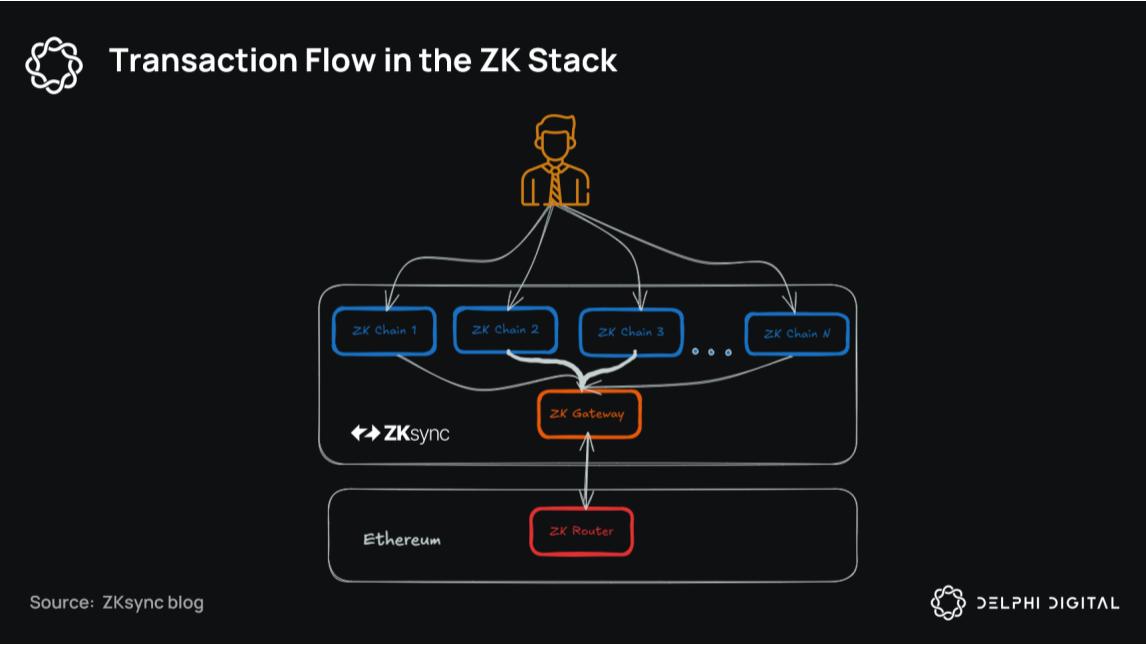
Zero-knowledge rollups are emerging as the dominant scaling solution for blockchains that prioritize both privacy and high throughput. By batching thousands of transactions off-chain and submitting a single cryptographic proof to the main chain, these protocols allow networks to process data far faster without sacrificing security. This architecture is particularly vital for digital identity applications, where users need to prove attributes—such as age or citizenship—without exposing the underlying personal data.
The core advantage of ZK rollups lies in their non-interactive nature. Unlike optimistic rollups, which require a challenge period to verify validity, ZK rollups provide immediate finality. A non-interactive zero-knowledge proof (NIZKP) allows a prover to publish a statement that anyone can verify instantly. This speed makes them suitable for real-time identity verification systems, where delays in transaction confirmation would hinder user experience. As noted in recent cybersecurity research, this capability is essential for "sending zero-knowledge proofs to the future," ensuring that identity data remains secure even as network congestion increases.
Several leading products are now integrating ZK rollup technology to support scalable digital identity solutions. These platforms focus on reducing gas fees while maintaining cryptographic guarantees, making them practical for everyday use. For developers building these systems, understanding the underlying hardware and software requirements is crucial for optimal performance.


As an Amazon Associate, we may earn from qualifying purchases.
Standards and trust ecosystems
Zero-knowledge proofs are only as useful as the standards that govern them. Without agreed-upon cryptographic protocols, different identity providers cannot verify each other’s credentials, creating walled gardens that defeat the purpose of digital identity. The ZKProof initiative is currently the primary body driving this standardization, working to mainstream ZKP cryptography through open-industry collaboration.
ZKProof operates as an academic and industry consortium, focusing on the rigorous verification of proof systems to ensure they are secure and interoperable. Their work provides the foundational trust layer necessary for 2026 deployments, allowing disparate systems to communicate without compromising user privacy. This standardization is critical for enterprises looking to integrate ZK-based identity solutions into existing infrastructure.
The organization’s annual gatherings, such as the 2026 summit in Rome, serve as key networking and development hubs. These events bring together researchers and engineers to refine proof systems and address emerging security challenges. By fostering a community-driven approach to trust, ZKProof helps ensure that zero-knowledge technology remains robust and widely adoptable across the digital identity landscape.
Choosing the right ZK solution
Selecting a zero-knowledge proof (ZK) tool requires matching the technology to your specific trust and privacy requirements. By 2026, ZK proofs have moved beyond abstract cryptography into concrete applications like digital identity, compliance checks, and age verification. The right choice depends on your need for verifiability, speed, and user privacy.
Prioritize Verifiability and Compliance
For enterprise identity systems, the primary goal is often proving a statement without revealing the underlying data. Look for solutions that support standard verification keys and integrate easily with existing identity providers. This ensures that your system can validate credentials without storing sensitive personal information, reducing liability and enhancing user trust.
Evaluate Performance and Cost
ZK proofs can be computationally expensive. For consumer-facing applications like age verification, low latency is critical. Choose tools that offer fast proving times and reasonable gas costs if deployed on-chain. Evaluate the total cost of ownership, including development time and infrastructure, to ensure the solution scales with your user base.
Consider Developer Experience
A complex implementation can delay your launch. Select frameworks with comprehensive documentation, active community support, and pre-built SDKs. This allows your team to focus on product features rather than solving low-level cryptographic challenges.

As an Amazon Associate, we may earn from qualifying purchases.
Frequently asked questions about ZK proof implementation
How do zero-knowledge proofs protect my identity? ZK proofs allow a user to verify a specific claim—such as being over 18—without revealing the underlying data like your date of birth or name. This ensures that only the necessary verification is shared, keeping personal details private.
Are ZK proofs compatible with existing blockchains? Yes, ZK technology is increasingly essential for Web3 privacy and regulatory compliance in 2026. Many leading digital identity products integrate these proofs directly into established blockchain networks to enhance security without requiring a complete infrastructure overhaul.
Is implementing ZK proofs expensive? While computational costs have decreased, implementing ZK proofs still requires significant processing power. Most commercial identity solutions handle this overhead on the backend, allowing users to benefit from privacy without managing complex cryptographic hardware.
No comments yet. Be the first to share your thoughts!